 Bug FAQ
Aplos simplex
Aplos simplex · Order: Hemiptera · Family: Issidae
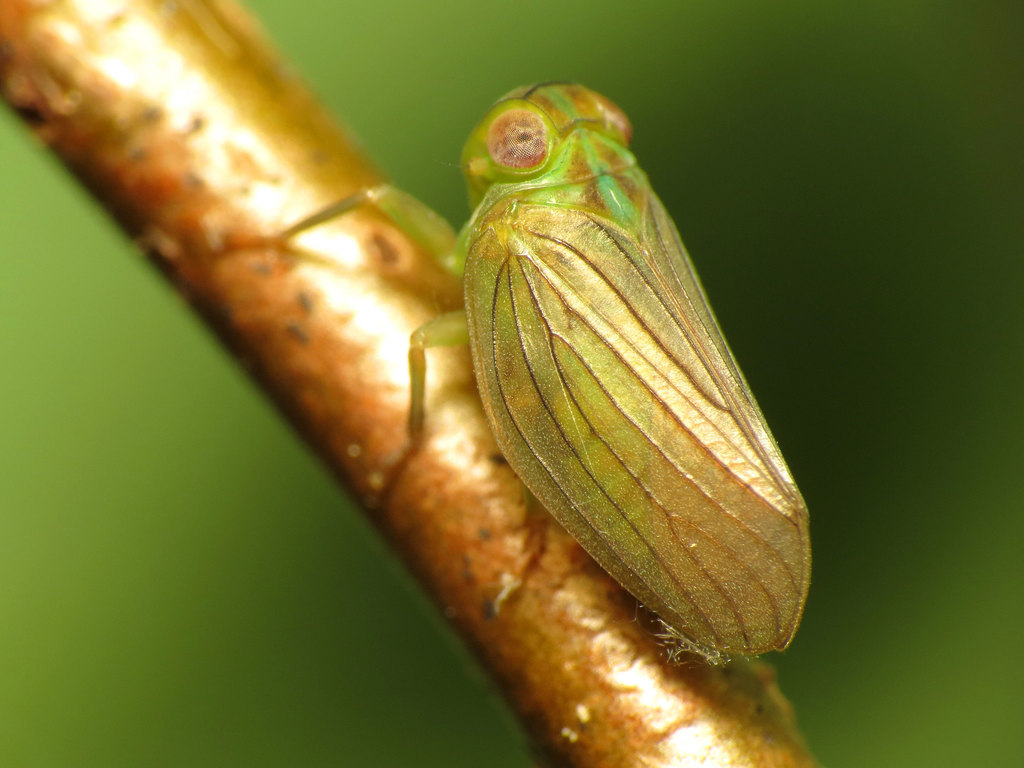
Aplos simplex lives in most of the eastern United States. It has also become invasive in northern Italy and Austria. The species was formerly listed under the genus Thionia.
Source: Wikipedia
Where it lives
It occurs throughout most of the eastern United States and has spread to northern Italy and Austria as an invasive species.
Source: Wikipedia
Where it comes from
Its native range covers most of the eastern United States.
Source: Wikipedia
Where it is found in the US
Recorded in 31 of 51 states and DC. Most records: New York, Massachusetts, North Carolina, Pennsylvania, Virginia, Ohio, Georgia, Illinois.
Darker = more records. Counts are museum and citizen-science records, not population size.
Source: GBIF
Months it is reported in the US
Source: GBIF
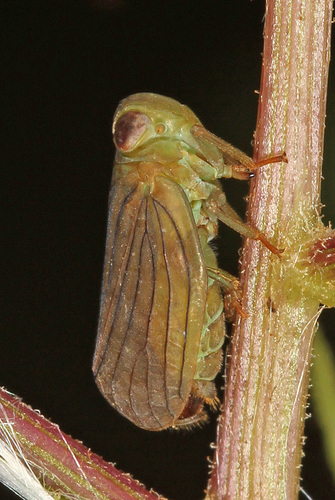
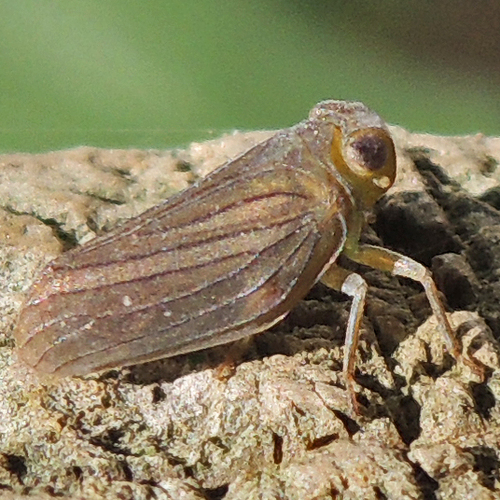
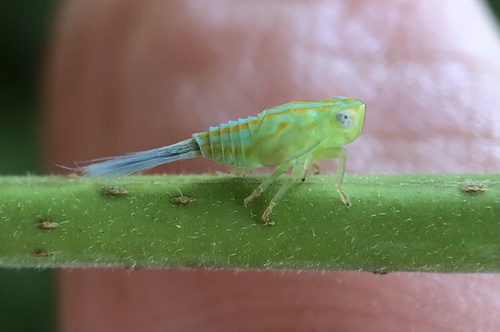
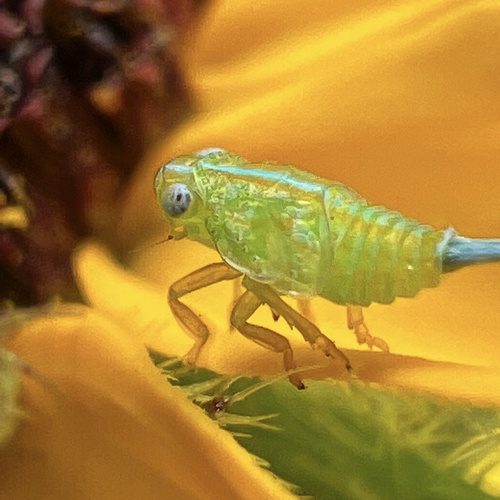
More photos
Questions people ask
Where is Aplos simplex found?
It is found throughout most of the eastern United States and has become invasive in northern Italy and Austria.
Source: Wikipedia
What was the former genus of Aplos simplex?
It was formerly listed under the genus Thionia.
Source: Wikipedia
Same family (Issidae)
Sources
- Wikipedia: https://en.wikipedia.org/wiki/Aplos
Look it up elsewhere: GBIF · iNaturalist · BugGuide · Wikipedia
Text written 2026-10-24 from the sources above and checked sentence by sentence against them. Data fetched 2026-10-24.