 Bug FAQ
Black-olive Caterpillar Moth
Garella nilotica · Order: Lepidoptera · Family: Nolidae
Also called: Small garella
Source: Wikipedia
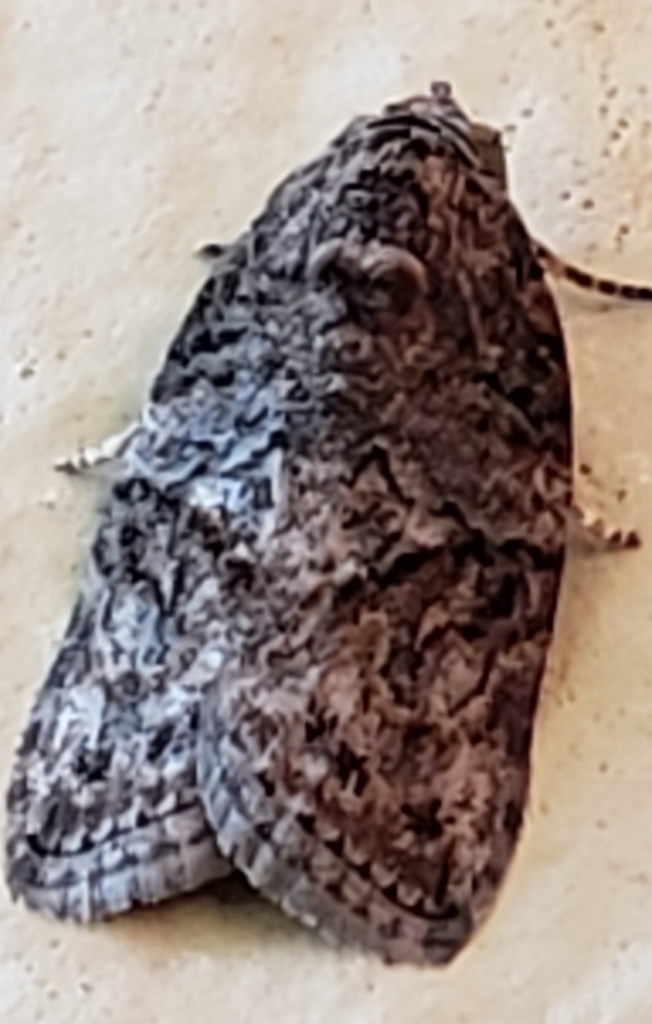
The adult moth has a wingspan of about 15 mm. It occurs across the tropics and subtropics, from eastern Canada and the United States down through the Caribbean, parts of Europe, Australia and many Pacific islands. Caterpillars feed on leaves of many broad-leaved trees and shrubs such as olive, mango, rhododendron, willow and others.
Source: Wikipedia
Size
The moth’s wingspan is roughly 15 mm.
Source: Wikipedia
What it eats
Larvae eat leaves of many broad-leaved plants such as olive, mango, rhododendron, willow, tamarisk and related species.
Source: Wikipedia
Where it comes from
It lives in eastern North America, including Ontario, Quebec, Nova Scotia, New York, Florida and Texas.
Source: Wikipedia
Where it is found in the US
Recorded in 33 of 51 states and DC. Most records: Texas, Florida, Mississippi, Oklahoma, Indiana, Arizona, Michigan, California.
Darker = more records. Counts are museum and citizen-science records, not population size.
Source: GBIF
Status: introduced in Canada; introduced in United States. Source: iNaturalist
Months it is reported in the US
Source: GBIF
More photos
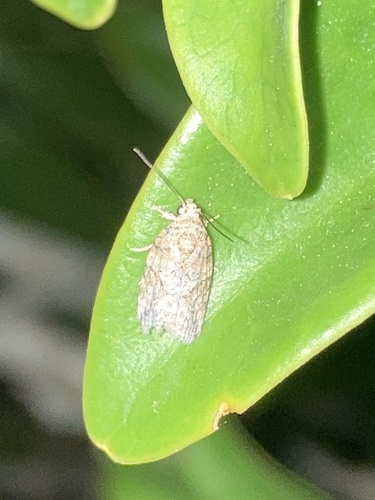
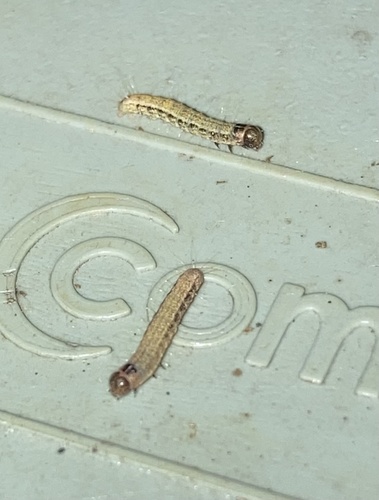
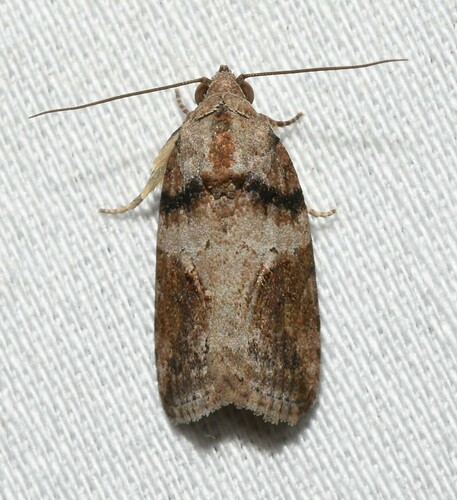
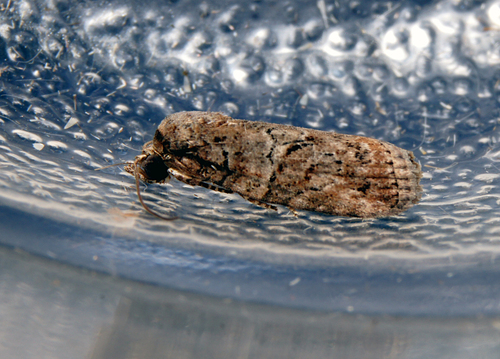
Questions people ask
Where is this moth found?
It occurs in eastern North America and many tropical and subtropical regions worldwide.
Source: Wikipedia
What plants do the caterpillars eat?
They feed on a range of trees and shrubs, including olive, mango, rhododendron, willow and tamarisk.
Source: Wikipedia
Can this moth damage my garden or orchard?
Yes, the larvae can chew leaves of fruit and ornamental trees, potentially harming them.
Source: Wikipedia
Same family (Nolidae)
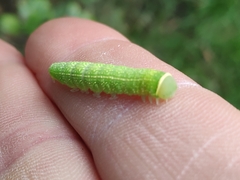 Green Silver-linesPseudoips prasinanaDamages trees, gardens or crops
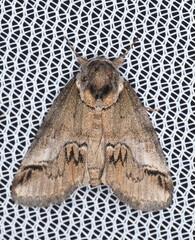 Small Baileya MothBaileya australis
 Confused Meganola MothMeganola minuscula
 Gum Leaf SkeletoniserUraba lugensDamages trees, gardens or crops
 Eyed Baileya MothBaileya ophthalmica
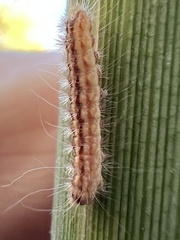 Sorghum Webworm MothNola cereellaDamages trees, gardens or crops
Sources
- Wikipedia: https://en.wikipedia.org/wiki/Garella_nilotica
Look it up elsewhere: GBIF · iNaturalist · BugGuide · ITIS · Wikipedia
Text written 2026-10-24 from the sources above and checked sentence by sentence against them. Data fetched 2026-10-24.