 Bug FAQ
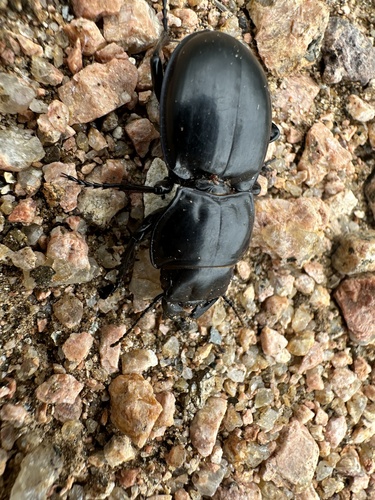
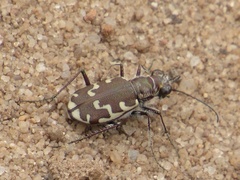
California Warrior Beetle
Pasimachus californicus · Order: Coleoptera · Family: Carabidae
Source: Wikipedia
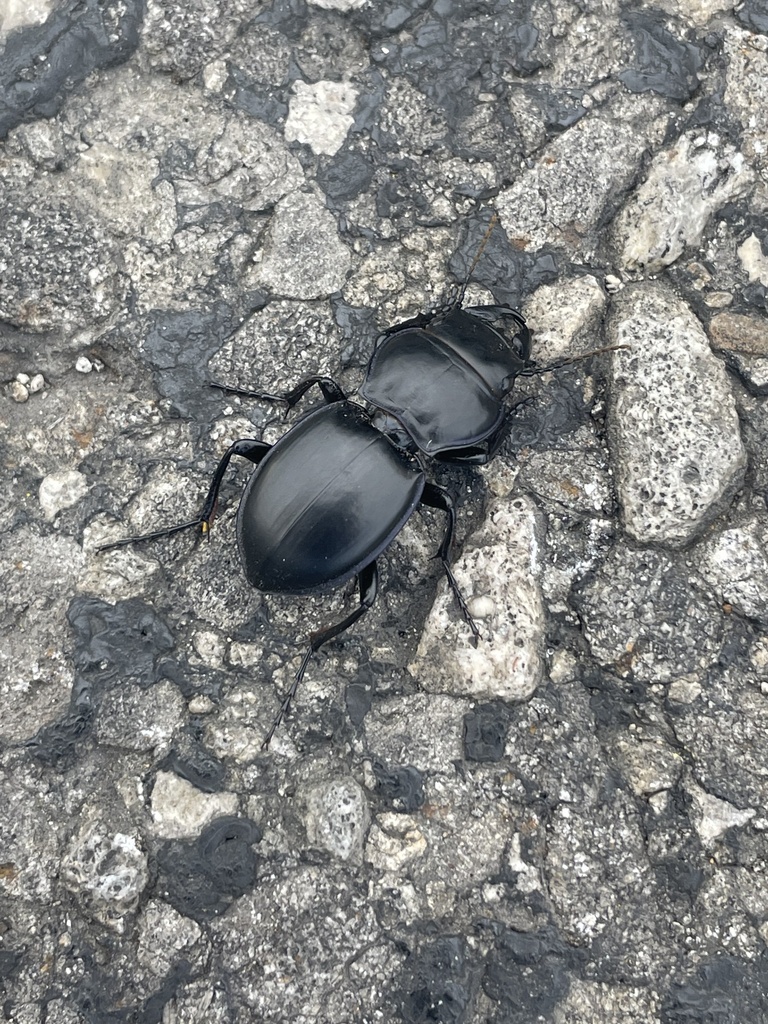
The California Warrior Beetle is a predator that feeds on many insects, caterpillars and other small invertebrates, making it a beneficial insect. It lives in mixed oak woodlands across the southern Great Plains, the southwestern United States and Mexico. It is not harmful to people, though it may bite if handled, and the bite feels like a tiny pinch.
Source: Wikipedia
Where it lives
It is commonly found in mixed oak woodlands.
Source: Wikipedia
What it eats
It hunts and eats many insects, caterpillars and other small invertebrates.
Source: Wikipedia
Where it comes from
It occurs in the southern Great Plains, the southwestern United States and Mexico.
Source: Wikipedia
Where it is found in the US
Recorded in 16 of 51 states and DC. Most records: Kansas, Oklahoma, Texas, Colorado, Arizona, New Mexico, New Jersey, Wyoming.
Darker = more records. Counts are museum and citizen-science records, not population size.
Source: GBIF
Status: native in North America; native in United States. Source: iNaturalist
Months it is reported in the US
Source: GBIF
More photos
Questions people ask
Does the California Warrior Beetle bite?
It may bite if threatened, but the bite is only a mild pinch.
Source: Wikipedia
Is the California Warrior Beetle beneficial?
Yes, it preys on many insects, caterpillars and small invertebrates, helping control pest populations.
Source: Wikipedia
Where is the California Warrior Beetle found?
It lives in mixed oak woodlands of the southern Great Plains, the southwestern United States and Mexico.
Source: Wikipedia
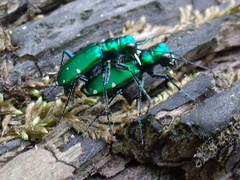
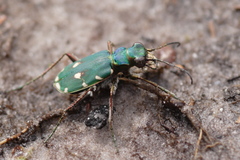
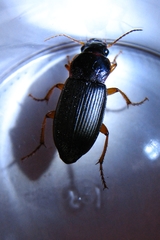
Same family (Carabidae)


Sources
- Wikipedia: https://en.wikipedia.org/wiki/Pasimachus_californicus
Look it up elsewhere: GBIF · iNaturalist · BugGuide · ITIS · Wikipedia
Text written 2026-10-23 from the sources above and checked sentence by sentence against them. Data fetched 2026-10-23.