 Bug FAQ
Firebrat
Thermobia domestica · Order: Zygentoma · Family: Lepismatidae
Also called: Fire brat
Source: Wikipedia
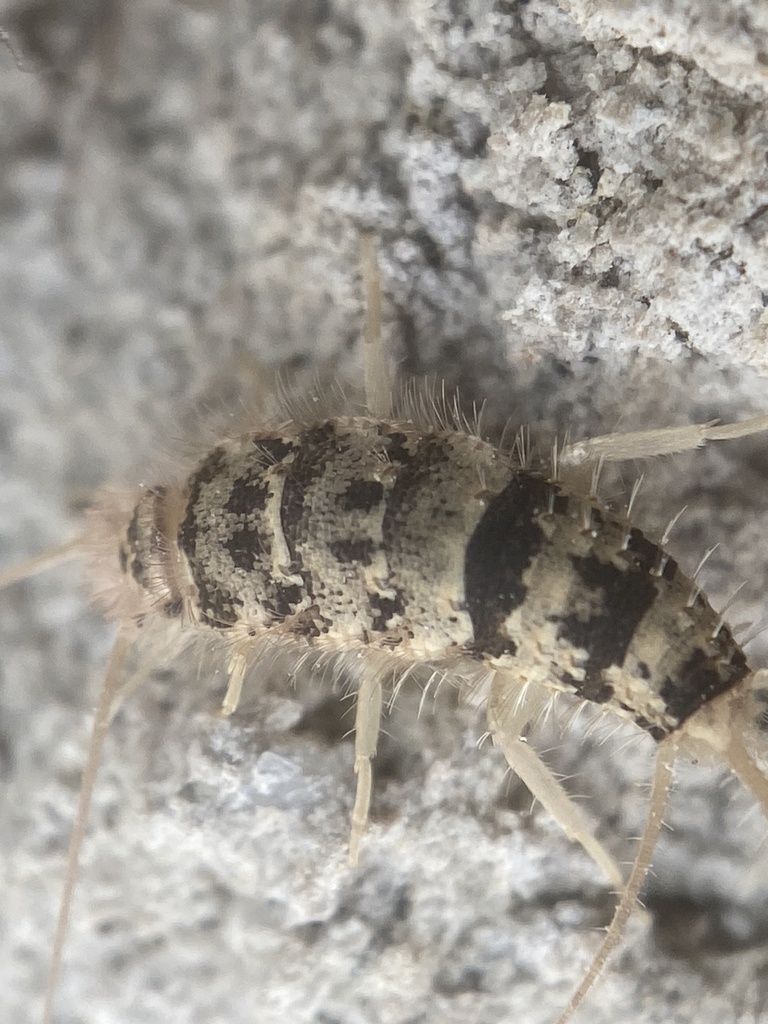
Firebrats are small insects about 1 to 1.5 cm long and are found worldwide, often indoors near heat sources like furnaces and boilers. They feed on a variety of carbohydrates, starches and protein sources such as dog food, flour, book bindings, and they also eat the eggs and corpses of other firebrats. Females begin laying eggs after 1.5 to 4.5 months when temperatures are 32 to 41 °C, can produce up to 6000 eggs over a 3 to 5-year lifespan, and they are considered a household pest that can contaminate food and damage paper and clothing.
Source: Wikipedia
How to recognize it
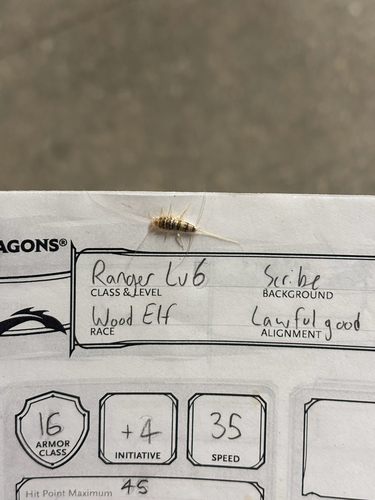
Firebrats look like silverfish but are distinguished by their preference for warm indoor areas.
Source: Wikipedia
Size
They are typically 1 to 1.5 cm long.
Source: Wikipedia
Is it a pest in the house?
They are often found indoors near heat sources like furnaces and boilers.
Source: Wikipedia
Does it bite or sting?
Firebrats are mostly harmless.
Source: Wikipedia
Where it lives
Outdoors they occur under rocks, plant litter and similar environments.
Source: Wikipedia
What it eats
Firebrats eat a wide range of carbohydrates and starches, including dog food, flour and book bindings. They also practice cannibalism, consuming eggs, shed skins and dead firebrats.
Source: Wikipedia
Life cycle
Females start laying eggs at 1.5 to 4.5 months old if the temperature is between 32 to 41 °C. A female can lay up to 6000 eggs during a lifespan of about 3 to 5 years.
Source: Wikipedia
When you see it
Egg laying occurs when temperatures are 32 to 41 °C, typically after 1.5 to 4.5 months of age.
Source: Wikipedia
Lookalikes
They resemble silverfish.
Source: Wikipedia
Where it is found in the US
Recorded in 38 of 51 states and DC. Most records: California, Arizona, Texas, Nevada, New York, Alaska, Washington, Colorado.
Darker = more records. Counts are museum and citizen-science records, not population size.
Source: GBIF
Status: introduced in Canada. Source: iNaturalist
Months it is reported in the US
Source: GBIF
More photos
Questions people ask
What do firebrats eat?
They feed on carbohydrates and starches like dog food, flour, book bindings, and also eat the eggs and corpses of other firebrats.
Source: Wikipedia
Same family (Lepismatidae)
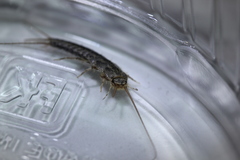 CtenolepismaCtenolepismaCan damage your home
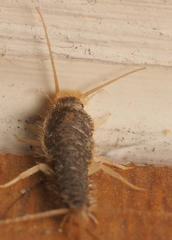 Long-tailed SilverfishCtenolepisma longicaudatumCan damage your home
 Common SilverfishLepisma saccharinumCan damage your home
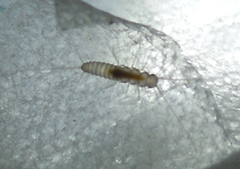 Four-lined SilverfishCtenolepisma lineatumNuisance, not dangerous
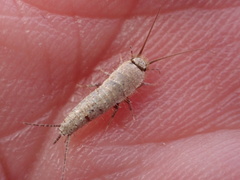 Ctenolepisma ciliatumCtenolepisma ciliatum
 Egyptian FirebratThermobia aegyptiaca
Sources
- Wikipedia: https://en.wikipedia.org/wiki/Firebrat
Look it up elsewhere: GBIF · iNaturalist · BugGuide · ITIS · Wikipedia
Text written 2026-10-23 from the sources above and checked sentence by sentence against them. Data fetched 2026-10-22.