 Bug FAQ
Grape Berry Moth
Paralobesia viteana · Order: Lepidoptera · Family: Tortricidae
Source: Wikipedia
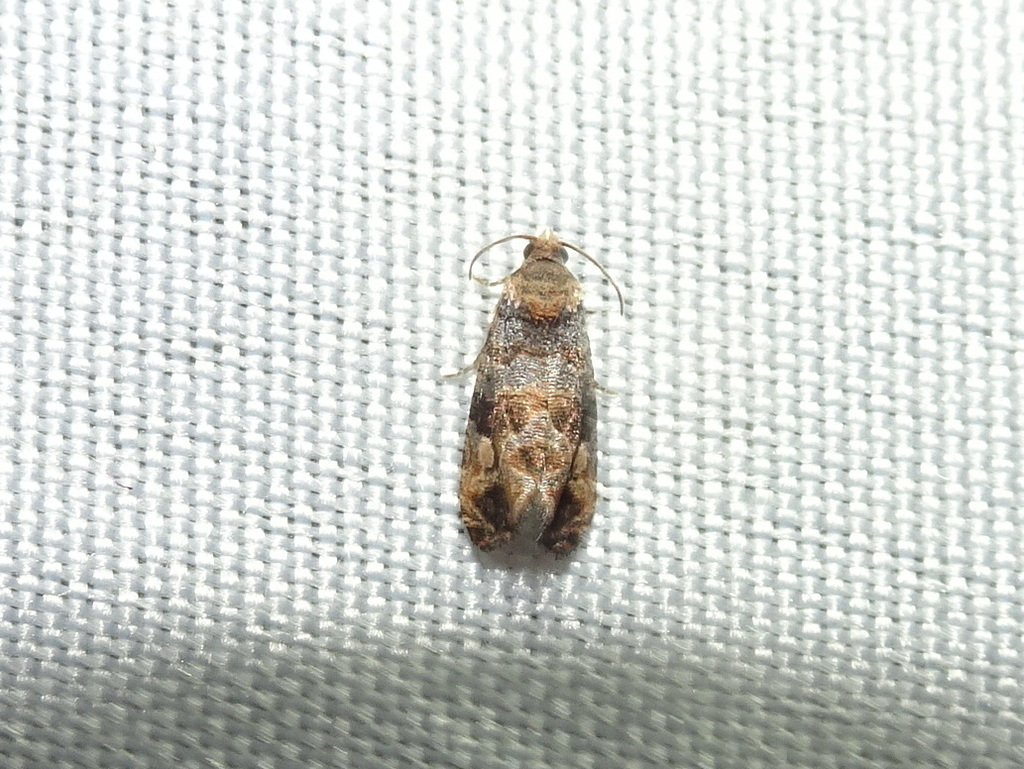
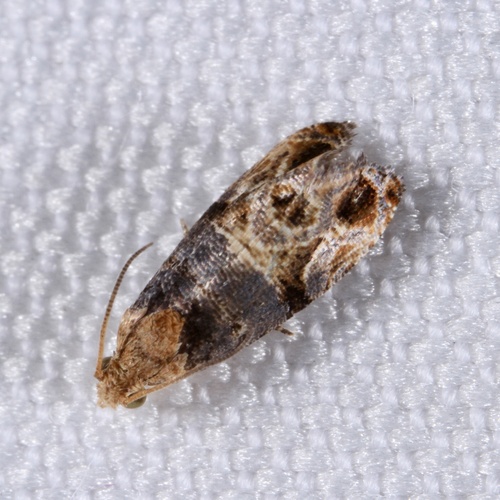
Adult grape berry moths have a wingspan of about 8 to 13 mm and show brown forewings with a purplish sheen and a central band. They can produce two to four generations a year, with the last generation overwintering as pupae, and adults are on the wing from March through August. Larvae feed on grape vines, tunneling into berries and causing major damage to the crop.
Source: Wikipedia
How to recognize it
The forewings are brown with a slight purplish shine and a middle band, looking similar to other Nearctic Paralobesia species and to Lobesia botrana, which cannot be distinguished by wing pattern alone.
Source: Wikipedia
Size
Adults have a wingspan ranging from 8 to 13 mm.
Source: Wikipedia
Is it a pest in the house?
Larvae damage grape berries and blossoms, making it one of the worst insect pests of grapes in eastern North America. Later-generation larvae tunnel inside the berries, feeding from within.
Source: Wikipedia
What it eats
The primary host is grape (Vitis species), both wild and cultivated, though it has also been recorded on sassafras and blackberry.
Source: Wikipedia
Life cycle
Depending on weather and location, it produces two to four generations per year, with more generations common in the south. The final generation overwinters in the pupal stage.
Source: Wikipedia
When you see it
Adults are active from roughly March to August, varying with climate and region.
Source: Wikipedia
Where it comes from
It is native to eastern North America, where wild grape is its original host plant.
Source: Wikipedia
Lookalikes
It looks like Lobesia botrana, and wing pattern alone cannot separate the two species.
Source: Wikipedia
Where it is found in the US
Recorded in 29 of 51 states and DC. Most records: Texas, Michigan, Louisiana, Oklahoma, Alabama, Mississippi, Maryland, Massachusetts.
Darker = more records. Counts are museum and citizen-science records, not population size.
Source: GBIF
Status: native in North America; native in Canada; native in United States. Source: iNaturalist
Months it is reported in the US
Source: GBIF
More photos
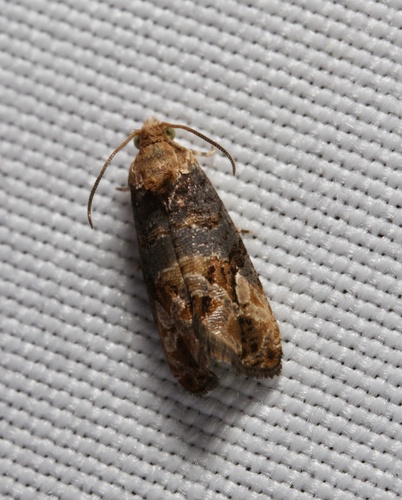
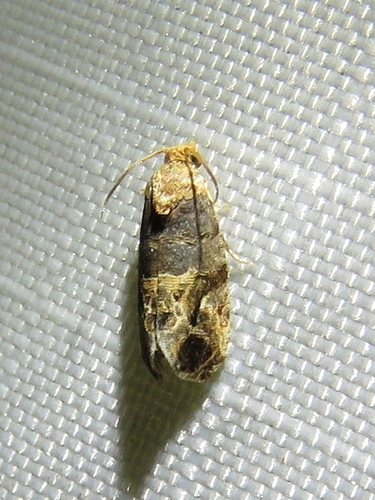
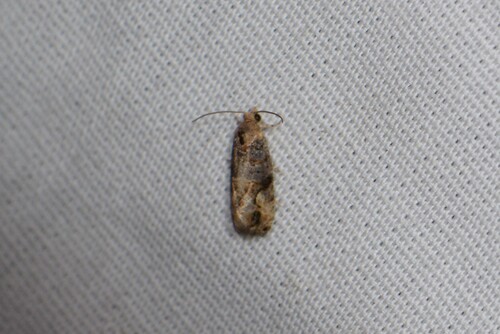
Questions people ask
How many generations does the grape berry moth have each year?
It can have two to four generations per year, with more generations in southern areas.
Source: Wikipedia
When are adult grape berry moths active?
Adults are on the wing from about March through August, depending on location and weather.
Source: Wikipedia
What plants do grape berry moth larvae damage?
They primarily damage grape vines, feeding on blossoms and tunneling into the berries.
Source: Wikipedia
Can the grape berry moth be confused with other species?
Yes, it looks similar to Lobesia botrana and other Nearctic Paralobesia species, and wing pattern alone cannot tell them apart.
Source: Wikipedia
Same family (Tortricidae)
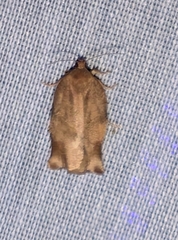 Oblique-banded Leafroller MothChoristoneura rosaceanaDamages trees, gardens or crops
 Garden TortrixClepsis peritanaDamages trees, gardens or crops
 Common MarbleSyricoris lacunanaDamages trees, gardens or crops
 Red-banded Leafroller MothArgyrotaenia velutinanaDamages trees, gardens or crops
 Light Brown Apple MothEpiphyas postvittanaDamages trees, gardens or crops
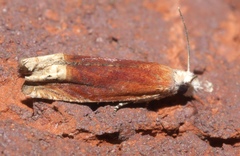 Aster and Reddish Eucosma Moths and AlliesEucosma parmatana
Sources
- Wikipedia: https://en.wikipedia.org/wiki/Paralobesia_viteana
Look it up elsewhere: GBIF · iNaturalist · BugGuide · Wikipedia
Text written 2026-10-24 from the sources above and checked sentence by sentence against them. Data fetched 2026-10-24.