 Bug FAQ
Large Dark Olive
Baetis rhodani · Order: Ephemeroptera · Family: Baetidae
Also called: large dark olive mayfly
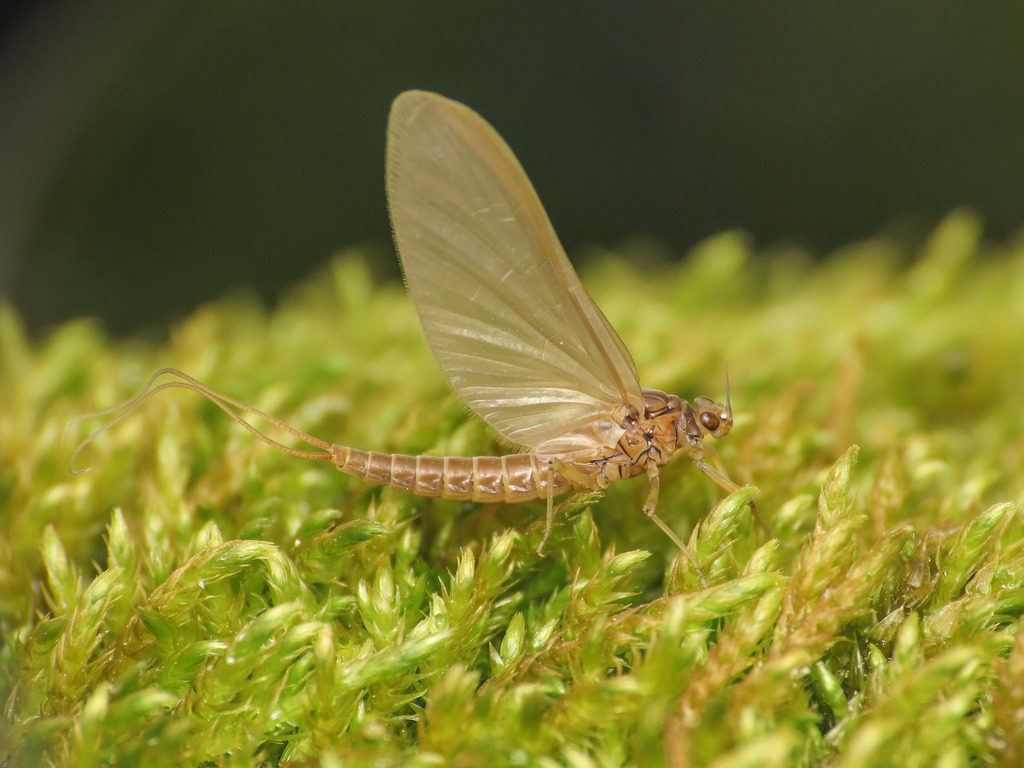
Large dark olive mayflies belong to the genus Baetis and are called blue-winged olives by anglers. They occur worldwide, with the greatest variety found in North America and northern Europe.
Source: Wikipedia
Where it lives
They are mayflies in the family Baetidae, commonly referred to as blue-winged olives.
Source: Wikipedia
Where it comes from
They are found worldwide, especially abundant in North America and northern Europe.
Source: Wikipedia
Where it is found in the US
Recorded in 10 of 51 states and DC. Most records: Alaska, Washington, Oregon, Wyoming, Colorado, Utah, California, Tennessee.
Darker = more records. Counts are museum and citizen-science records, not population size.
Source: GBIF
Months it is reported in the US
Source: GBIF
More photos
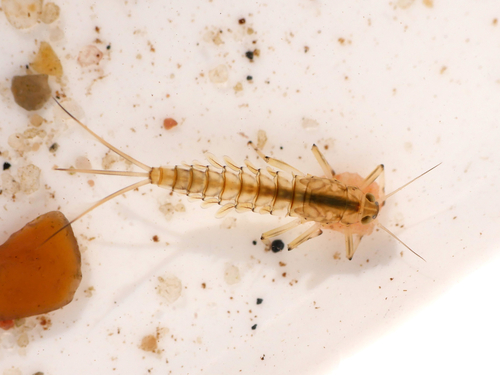
Same family (Baetidae)


Sources
- Wikipedia: https://en.wikipedia.org/wiki/Baetis
Look it up elsewhere: GBIF · iNaturalist · BugGuide · ITIS · Wikipedia
Text written 2026-10-23 from the sources above and checked sentence by sentence against them. Data fetched 2026-10-23.