 Bug FAQ
Small-spotted Cockroach
Balta notulata · Order: Blattodea · Family: Ectobiidae
Also called: Cockroach
Source: Wikipedia
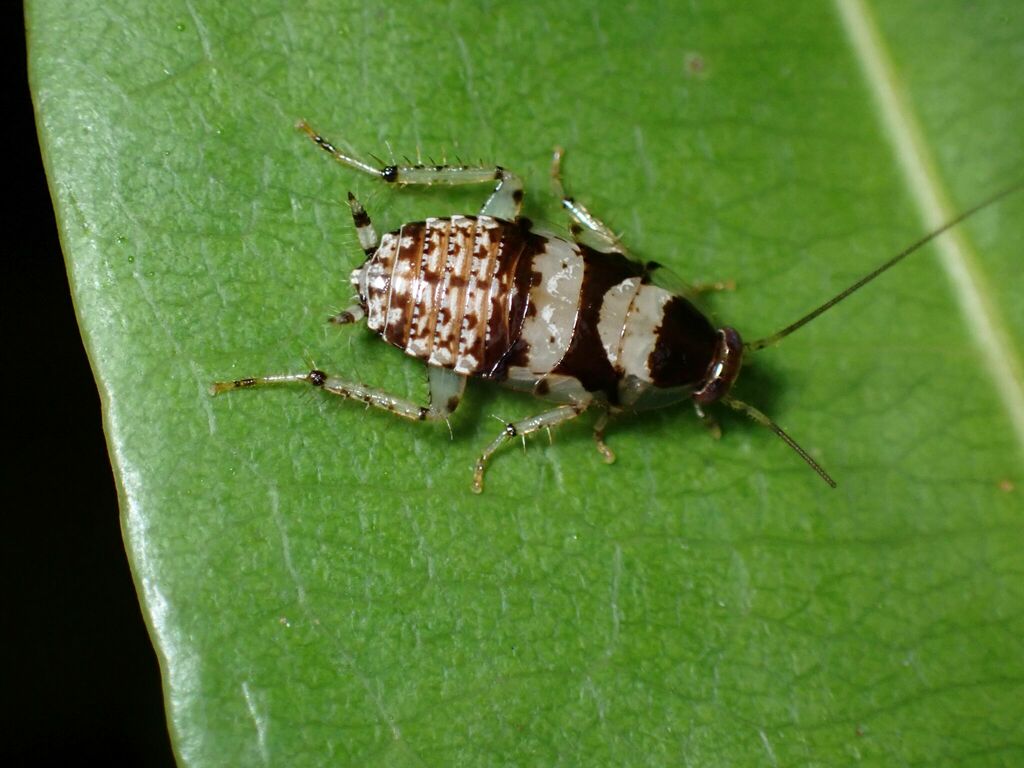
The small-spotted cockroach is a domestic pest found in Madang Province. Its native range extends from Sri Lanka through Japan to Easter Island.
Source: Wikipedia
How to recognize it
It is identified as the small-spotted cockroach.
Source: Wikipedia
Is it a pest in the house?
It is a domiciliary cockroach, meaning it lives in human dwellings.
Source: Wikipedia
Where it lives
It lives in homes in Madang Province.
Source: Wikipedia
Where it is found in the US
Recorded in 1 of 51 states and DC. Most records: Hawaii.
Darker = more records. Counts are museum and citizen-science records, not population size.
Source: GBIF
Months it is reported in the US
Source: GBIF
More photos
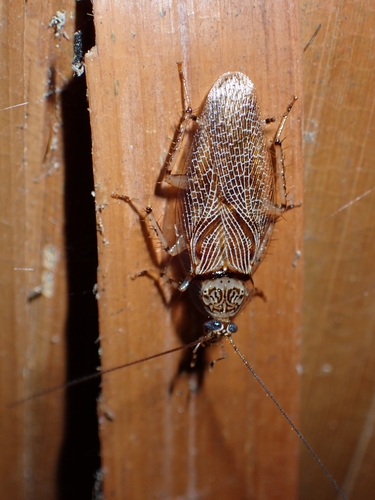
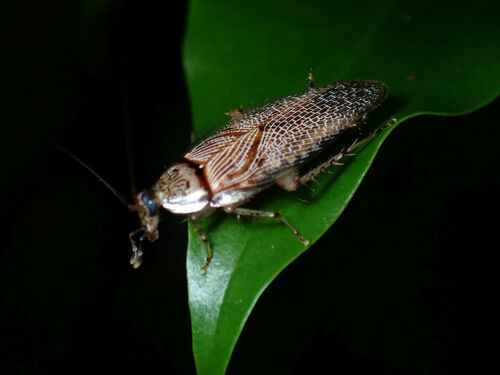
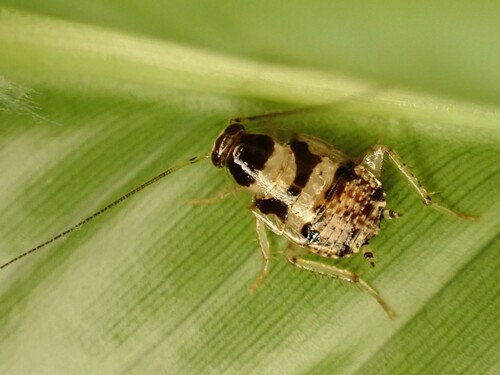
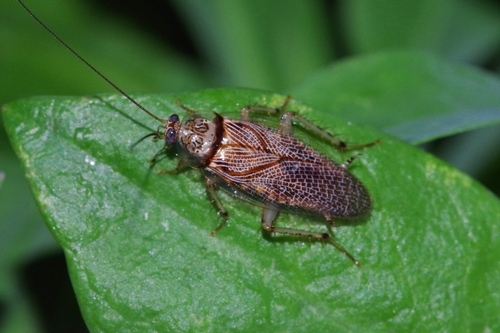
Questions people ask
Where does the small-spotted cockroach live?
It is found in homes in Madang Province.
Source: Wikipedia
What is the native range of this cockroach?
It originates from the region between Sri Lanka, Japan and Easter Island.
Source: Wikipedia
Is the small-spotted cockroach a pest in houses?
Yes, it is a domiciliary cockroach that lives in human dwellings.
Source: Wikipedia
Same family (Ectobiidae)
 German CockroachBlattella germanicaCan spread germs or disease
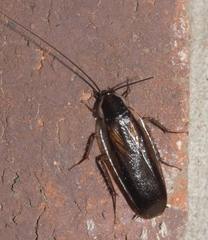 Pennsylvania Wood CockroachParcoblatta pennsylvanicaNuisance, not dangerous
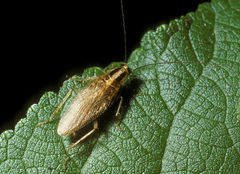 Asian CockroachBlattella asahinaiNuisance, not dangerous
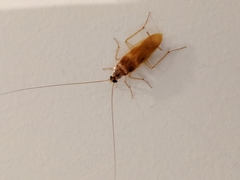 Brown-banded CockroachSupella longipalpaCan spread germs or disease
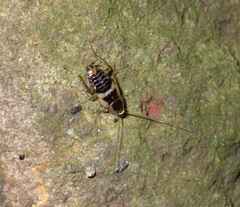 Variable CockroachPlanuncus tingitanus
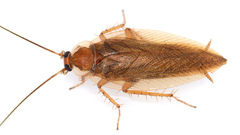 Amber Wood CockroachEctobius vittiventrisHarmless
Sources
- Wikipedia: https://en.wikipedia.org/wiki/Balta_notulata
Look it up elsewhere: GBIF · iNaturalist · BugGuide · ITIS · Wikipedia
Text written 2026-10-23 from the sources above and checked sentence by sentence against them. Data fetched 2026-10-23.