 Bug FAQ
Smoketree Sharpshooter
Homalodisca liturata · Order: Hemiptera · Family: Cicadellidae
Also called: lacertate sharpshooter
Source: Wikipedia
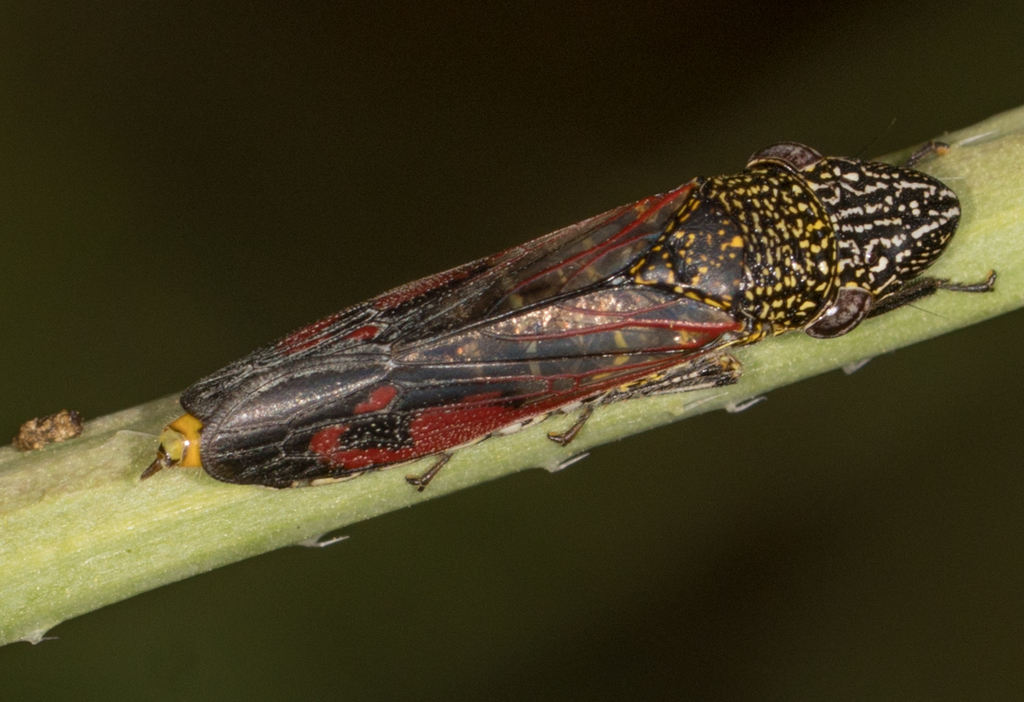
The smoketree sharpshooter is a relatively large leafhopper, about 13 mm long. It is native to North America and prefers feeding on desert smoketree when it can. Like other members of its genus, it can carry and transmit Xylella fastidiosa.
Source: Wikipedia
Size
Adults measure roughly 13 mm in length, which is large for a leafhopper.
Source: Wikipedia
What it eats
It feeds on several plants but most often on desert smoketree (Psorothamnus spinosus) where that tree is present.
Source: Wikipedia
Where it comes from
This species is native to North America.
Source: Wikipedia
Where it is found in the US
Recorded in 6 of 51 states and DC. Most records: Arizona, California, Nevada, Texas, Florida, Kansas.
Darker = more records. Counts are museum and citizen-science records, not population size.
Source: GBIF
Status: native in North America. Source: iNaturalist
Months it is reported in the US
Source: GBIF
More photos
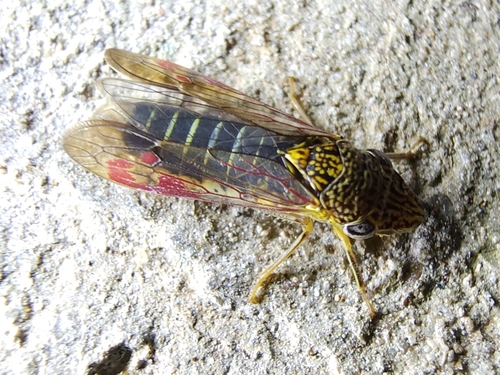
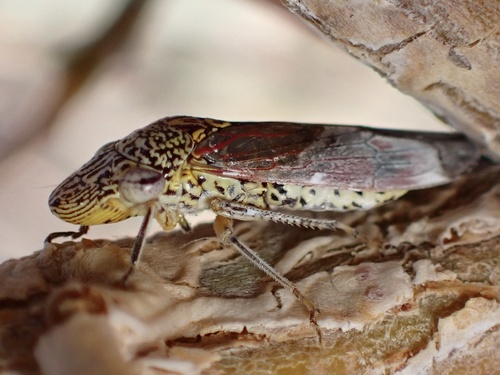
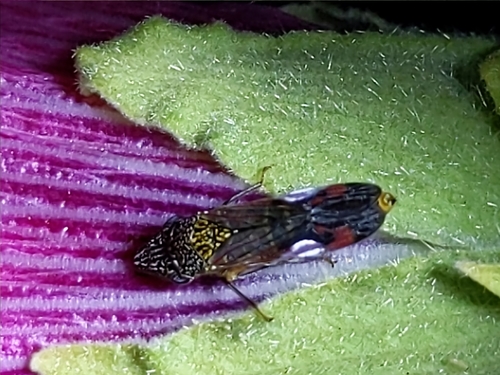
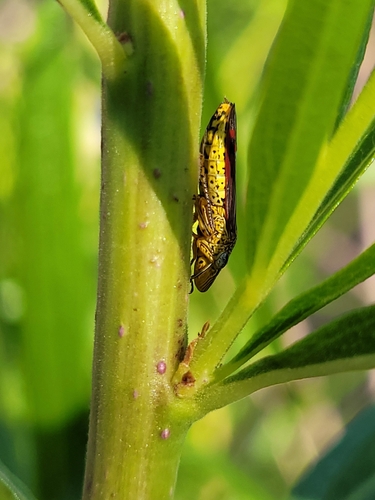
Questions people ask
What disease does the smoketree sharpshooter spread?
It can transmit the plant pathogen Xylella fastidiosa.
Source: Wikipedia
How big does a smoketree sharpshooter get?
Adults are about 13 mm long, which is large for a leafhopper.
Source: Wikipedia
Same family (Cicadellidae)
 Red-banded LeafhopperGraphocephala coccineaDamages trees, gardens or crops
 Coppery LeafhopperJikradia olitoria
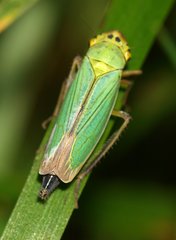 Green LeafhopperCicadella viridis
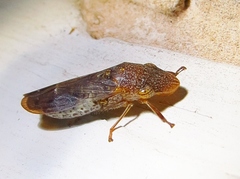 Glassy-winged SharpshooterHomalodisca vitripennisCan spread germs or disease
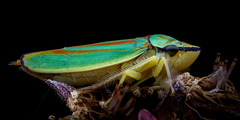 Rhododendron LeafhopperGraphocephala fennahiDamages trees, gardens or crops
 Japanese LeafhopperOrientus ishidaeCan spread germs or disease
Sources
- Wikipedia: https://en.wikipedia.org/wiki/Homalodisca_liturata
Look it up elsewhere: GBIF · iNaturalist · BugGuide · Wikipedia
Text written 2026-10-24 from the sources above and checked sentence by sentence against them. Data fetched 2026-10-24.