 Bug FAQ
Spruce Bark Beetle
Dendroctonus rufipennis · Order: Coleoptera · Family: Curculionidae
Also called: spruce beetle
Source: Wikipedia
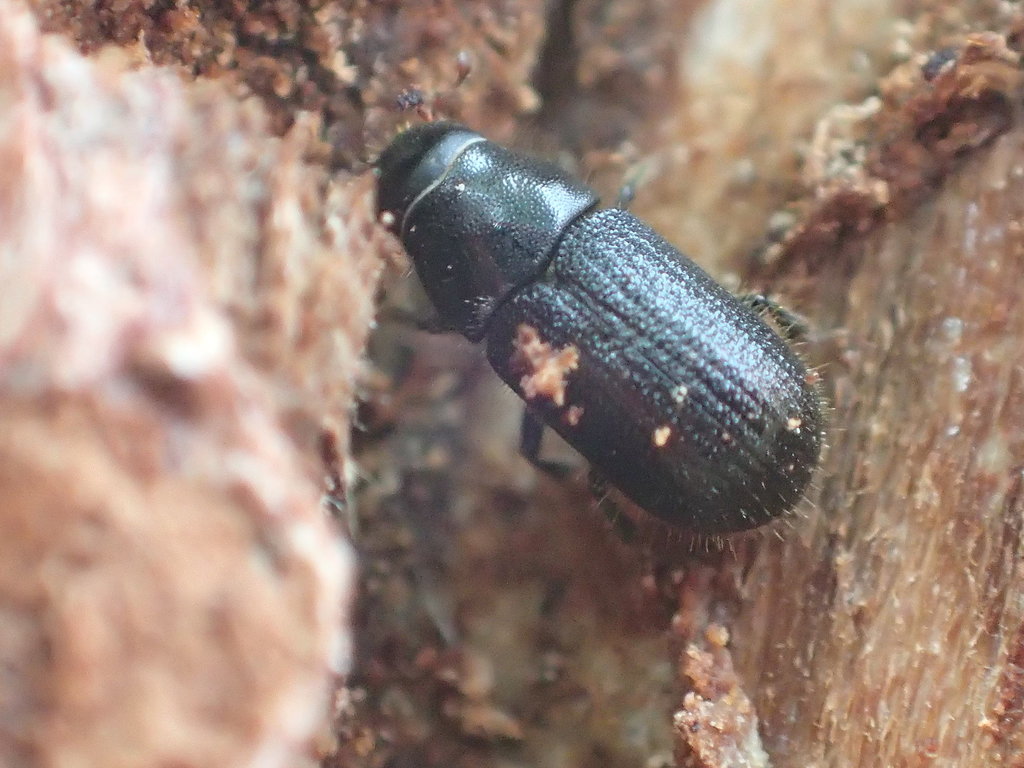
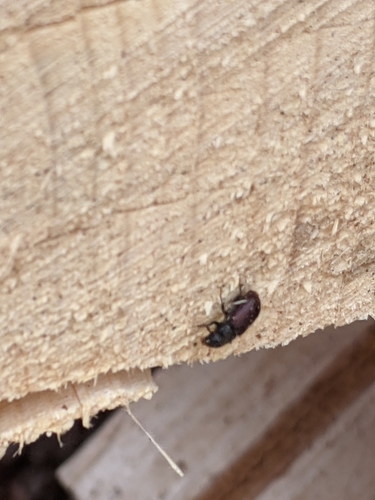
Adults are small, about 4 to 7 mm long, with the species often around 6 mm. Infestations can destroy millions of acres of spruce forest, as seen in Alaska in the 1990s.
Source: Wikipedia
How to recognize it
Warmer climates have helped this beetle reproduce faster. Red boring dust and pitch tubes in bark crevices show the beetle’s initial attacks.
Source: Wikipedia
Size
Adults measure between 4 and 7 mm in length. The species is about 6 mm long, making it one of the larger spruce bark beetles.
Source: Wikipedia
Is it a pest in the house?
From 1992 to 1999 it destroyed about 2.3 million acres of spruce forest in Alaska.
Source: Wikipedia
How to get rid of it
Maintaining radial growth rates of trees is considered the most likely defense against the beetle. Leaving stumps after logging helps the beetle overwinter and spread.
Source: Wikipedia
Where it lives
It can heavily damage forests of Engelmann, white, Sitka, and Colorado blue spruce. The beetles are strongly attracted to fallen trees, cull logs, and freshly cut logs.
Source: Wikipedia
What it eats
White spruce and Engelmann spruce are its main host trees. The fungus Leptographium abietinum, a blue-stain fungus, can worsen the damage caused by the beetle.
Source: Wikipedia
Life cycle
The beetle may complete its development in one, two, or three years, with a two-year cycle being most common. Overwintering adults dig egg tunnels for the first brood in June and a second set in late July.
Source: Wikipedia
When you see it
Flight and attack start in June, soon after the snow has melted.
Source: Wikipedia
Where it comes from
It is native to many parts of Canada and the United States, including British Columbia, Yukon, Alaska, Colorado, Wyoming, Montana, and Maine.
Source: Wikipedia
Where it is found in the US
Recorded in 14 of 51 states and DC. Most records: Alaska, Colorado, Minnesota, Utah, Arizona, Washington, Wyoming, Vermont.
Darker = more records. Counts are museum and citizen-science records, not population size.
Source: GBIF
Status: native in North America; native in Canada. Source: iNaturalist
Months it is reported in the US
Source: GBIF
More photos
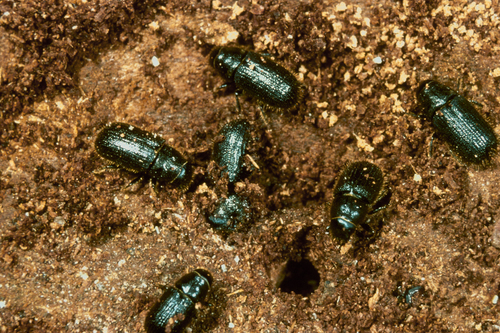
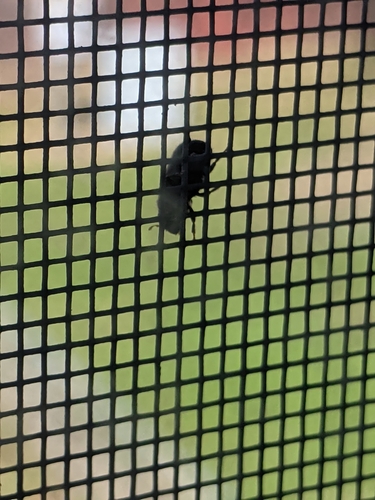
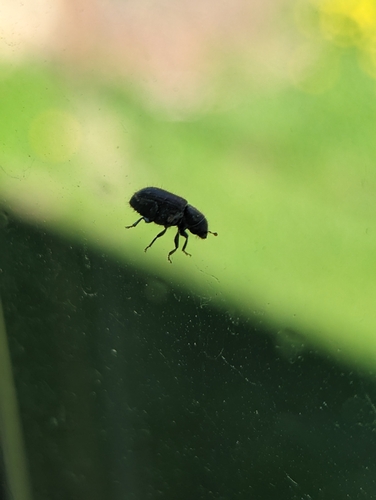
Questions people ask
How big is the great spruce bark beetle?
Adults are about 4 to 7 mm long, typically around 6 mm.
Source: Wikipedia
When does this beetle attack trees?
It begins flying and attacking in June, after the snow has melted.
Source: Wikipedia
What trees does it damage?
It mainly attacks white spruce, Engelmann spruce, and other spruce species.
Source: Wikipedia
How can I reduce its spread?
Keeping trees healthy to maintain radial growth and avoiding leaving stumps after logging can help.
Source: Wikipedia
Same family (Curculionidae)
 Green Immigrant Leaf WeevilPolydrusus formosusDamages trees, gardens or crops
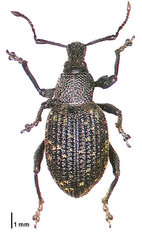 Black Vine WeevilOtiorhynchus sulcatusDamages trees, gardens or crops
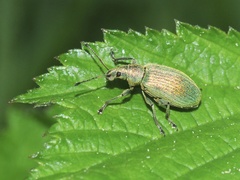 Nettle weevilPhyllobius pomaceusDamages trees, gardens or crops
 Asian Oak WeevilCyrtepistomus castaneusDamages trees, gardens or crops
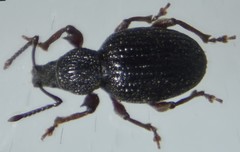 Strawberry Root WeevilOtiorhynchus ovatusDamages trees, gardens or crops
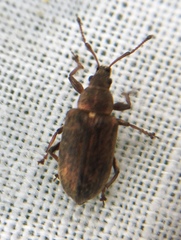 Common Leaf WeevilPhyllobius pyriDamages trees, gardens or crops
Sources
- Wikipedia: https://en.wikipedia.org/wiki/Dendroctonus_rufipennis
Look it up elsewhere: GBIF · iNaturalist · BugGuide · ITIS · Wikipedia
Text written 2026-10-24 from the sources above and checked sentence by sentence against them. Data fetched 2026-10-24.