 Bug FAQ
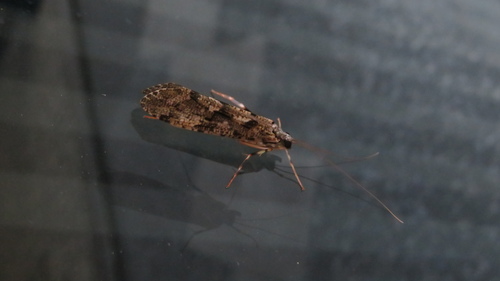
Stenopsyche marmorata
Stenopsyche marmorata · Order: Trichoptera · Family: Stenopsychidae
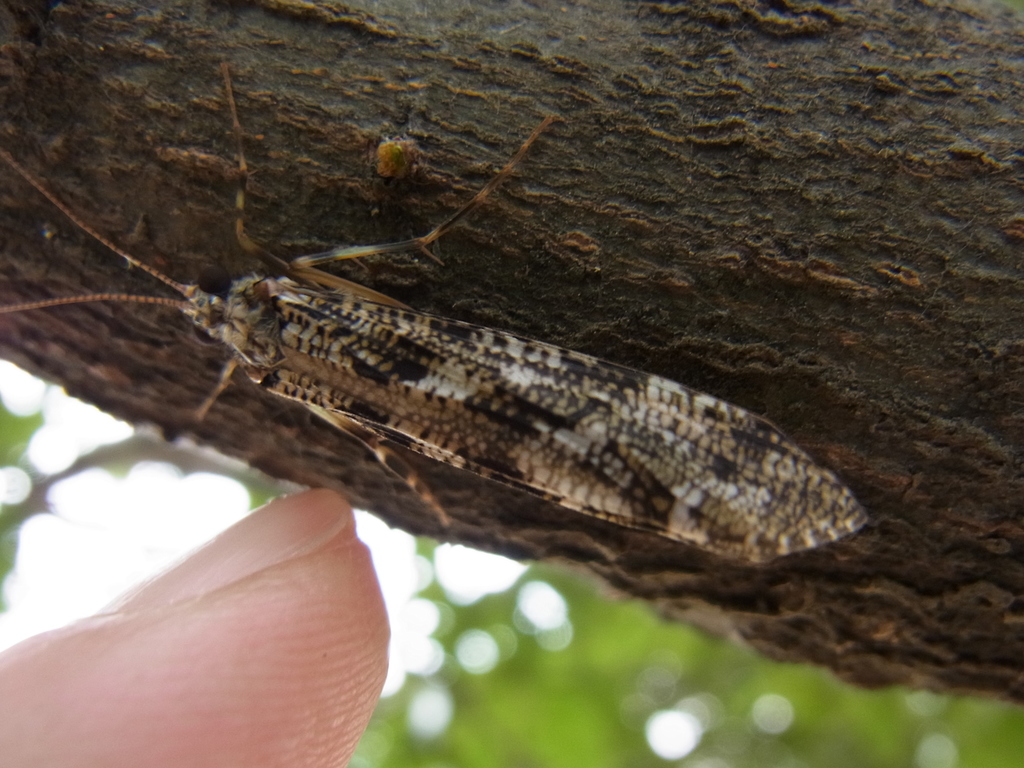
The larvae of Stenopsyche marmorata grow to nearly 5 cm, making them among the largest net-spinning caddisflies. They live in fast-flowing streams, often anchoring their silk nets among mussels. This species is native to Japan, Sakhalin, the Korean Peninsula, northeastern China and Russia’s Primorsky Territory.
Source: Wikipedia
Size
Larvae can exceed 2 cm in length and are among the largest caddisflies in their region. Members of the family can reach almost 5 cm, placing them among the biggest net-spinning caddisflies.
Source: Wikipedia
Where it lives
The larvae inhabit fast-flowing streams. In the Primorsky area they attach their filter nets to mussels.
Source: Wikipedia
What it eats
Larvae spin silk nets that trap animal and plant material, which they then consume. The Japanese dish “zazamushi” is made mainly from these larvae.
Source: Wikipedia
More photos
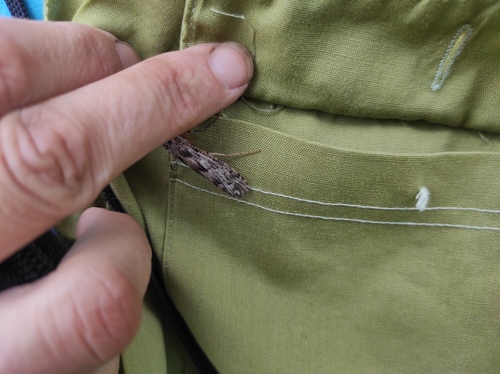
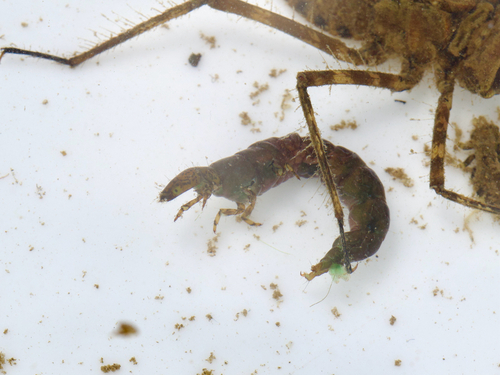
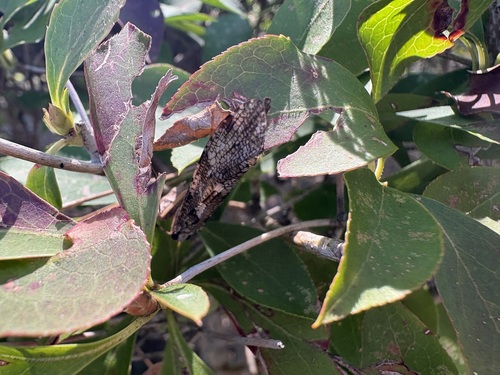
Questions people ask
What do the larvae of Stenopsyche marmorata eat?
They catch animal and plant debris in their silk nets and feed on that material.
Source: Wikipedia
Where are Stenopsyche marmorata larvae found?
In fast-flowing streams, often using mussels to anchor their nets.
Source: Wikipedia
How large can Stenopsyche marmorata grow?
Larvae can grow longer than 2 cm and the species can reach nearly 5 cm, making them among the largest caddisflies.
Source: Wikipedia
What region is Stenopsyche marmorata native to?
It is native to Japan, Sakhalin, the Korean Peninsula, northeastern China and Russia’s Primorsky Territory.
Source: Wikipedia
Sources
- Wikipedia: https://en.wikipedia.org/wiki/Stenopsyche_marmorata
Look it up elsewhere: GBIF · iNaturalist · BugGuide · ITIS · Wikipedia
Text written 2026-10-24 from the sources above and checked sentence by sentence against them. Data fetched 2026-10-23.