 Bug FAQ
Black-winged Subterranean Termite
Odontotermes formosanus · Order: Blattodea · Family: Termitidae
Source: Wikipedia
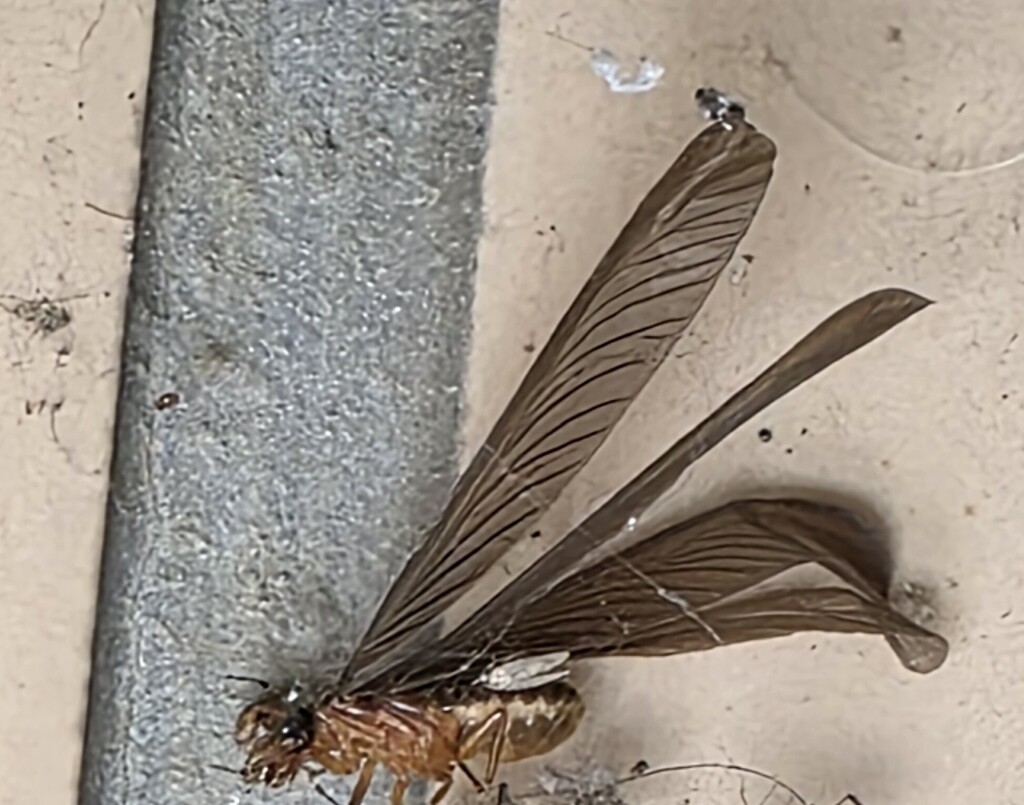
It is native to that region and was first described from Taiwan. Workers collect plant detritus and cultivate a fungus in their nests, which they feed to the colony.
Source: Wikipedia
Is it a pest in the house?
Its nests in earthen dams can lead to collapse of dams, dykes and damage to pipework.
Source: Wikipedia
Where it lives
It lives underground and is common in forests, plantations and crop fields. It also builds nests in earthen dams, which can cause dams and dykes to collapse and damage pipework.
Source: Wikipedia
What it eats
Workers and soldiers gather plant detritus, chew it into pulp, and use it as a substrate to grow a symbiotic fungus.
Source: Wikipedia
Life cycle
The termites keep a fungus of the genus Termitomyces in their nest, which they cultivate for food. Older termites leave the nest to collect material for the fungal substrate.
Source: Wikipedia
Lookalikes
Do not confuse it with the invasive termite Coptotermes formosanus.
Source: Wikipedia
More photos
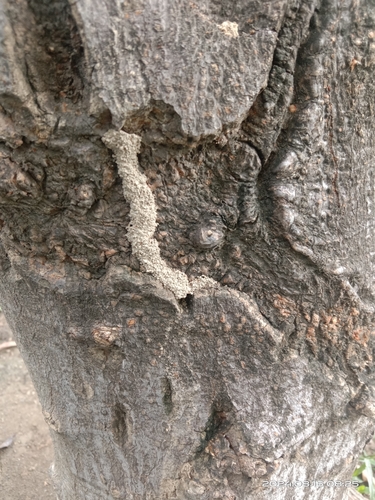
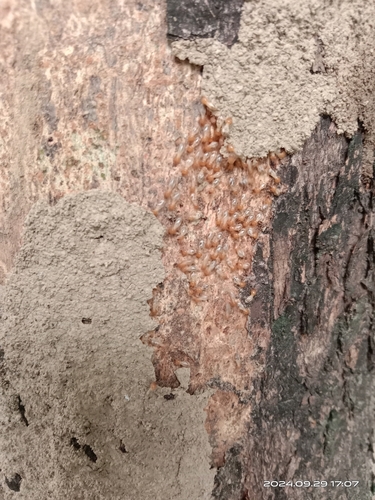
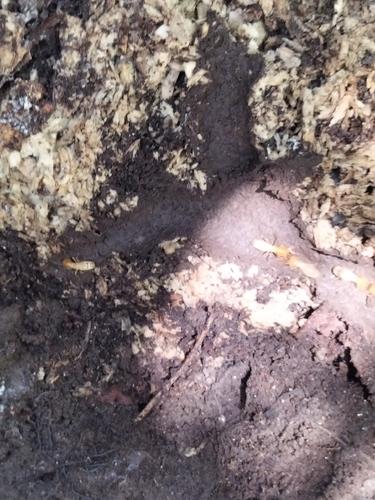
Questions people ask
What damage does this termite cause?
It damages forests, plantations and crops, and can cause earthen dams and pipework to fail.
Source: Wikipedia
How does it get food for the colony?
Workers collect plant detritus, chew it into pulp, and use it to grow a fungus that feeds the colony.
Source: Wikipedia
Same family (Termitidae)



Sources
- Wikipedia: https://en.wikipedia.org/wiki/Odontotermes_formosanus
Look it up elsewhere: GBIF · iNaturalist · BugGuide · Wikipedia
Text written 2026-10-24 from the sources above and checked sentence by sentence against them. Data fetched 2026-10-23.