 Bug FAQ
Boisduval's Blue
Icaricia icarioides · Order: Lepidoptera · Family: Lycaenidae
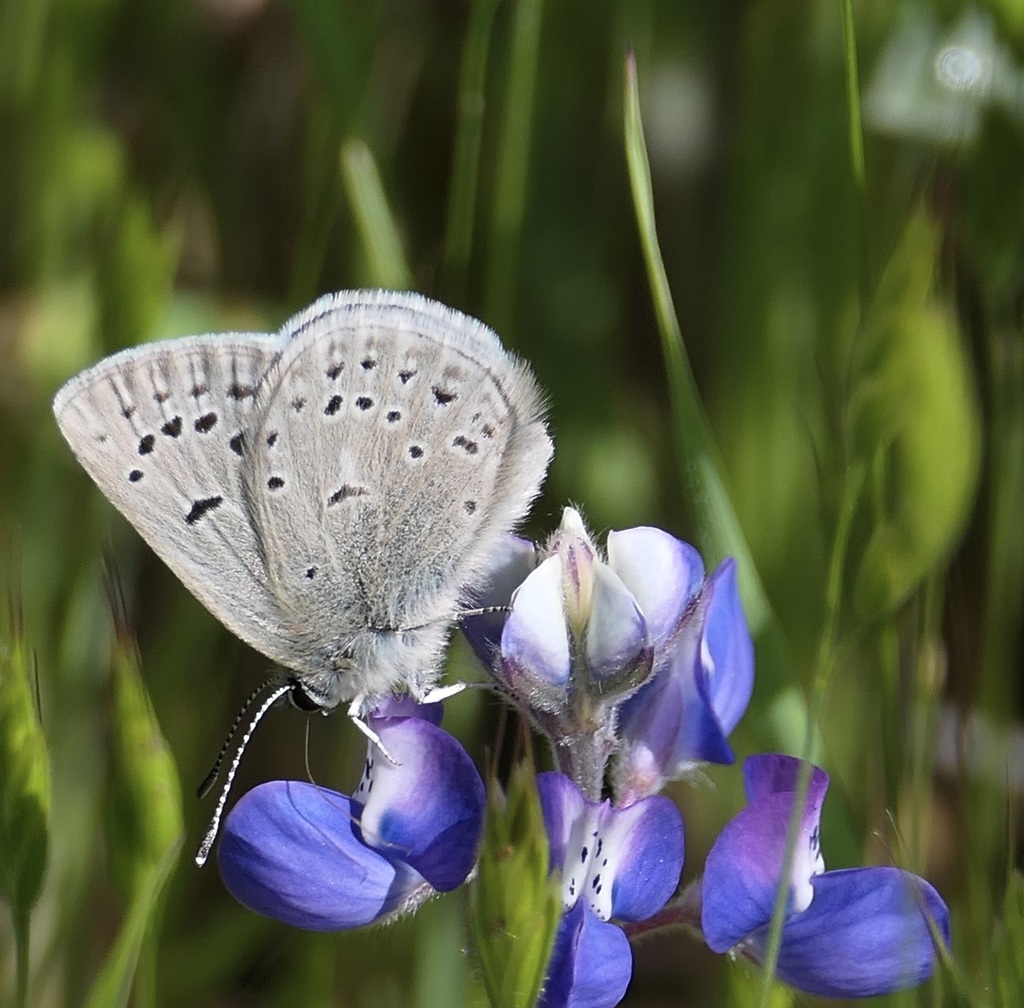
Boisduval's blue is a small North American butterfly with a wingspan of about 2 to 3 cm (21-32 mm). It lives in open habitats such as dunes, mountains, meadows, streams, sage-lands, and sunny clearings in woods near its lupine host plants.
Source: Wikipedia
How to recognize it
The species is Icaricia icarioides, commonly called Boisduval's blue, and belongs to the Lycaenidae family.
Source: Wikipedia
Size
Adults have a wingspan ranging from 21 to 32 mm.
Source: Wikipedia
Where it lives
It is found in dunes, mountains, meadows, streams, sage-lands, and open areas or clearings in woods near its larval host.
Source: Wikipedia
What it eats
Caterpillars feed on lupine species, while adults sip nectar from Eriogonum flowers and other composite plants.
Source: Wikipedia
Life cycle
There are 25 recognized subspecies of this butterfly.
Source: Wikipedia
Lookalikes
Similar species include the greenish blue (Icaricia saepiolus) and the silvery blue (Glaucopsyche lygdamus).
Source: Wikipedia
Where it is found in the US
Recorded in 15 of 51 states and DC. Most records: California, Washington, Oregon, Colorado, Idaho, Utah, Montana, Wyoming.
Darker = more records. Counts are museum and citizen-science records, not population size.
Source: GBIF
Status: native in North America; native in Canada; native in United States. Source: iNaturalist
Months it is reported in the US
Source: GBIF
More photos
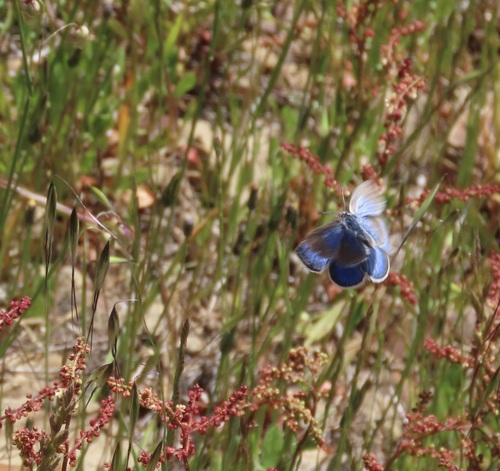
Same family (Lycaenidae)
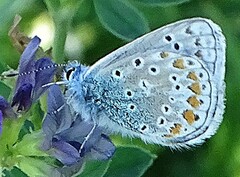
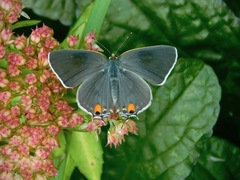
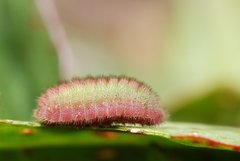

Sources
- Wikipedia: https://en.wikipedia.org/wiki/Icaricia_icarioides
Look it up elsewhere: GBIF · iNaturalist · BugGuide · ITIS · Wikipedia
Text written 2026-10-22 from the sources above and checked sentence by sentence against them. Data fetched 2026-10-22.