 Bug FAQ
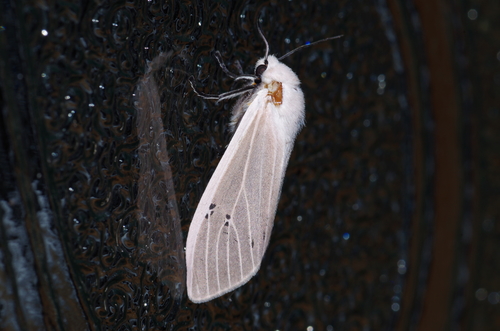
Clouded Tiger Moth
Creatonotos transiens · Order: Lepidoptera · Family: Erebidae
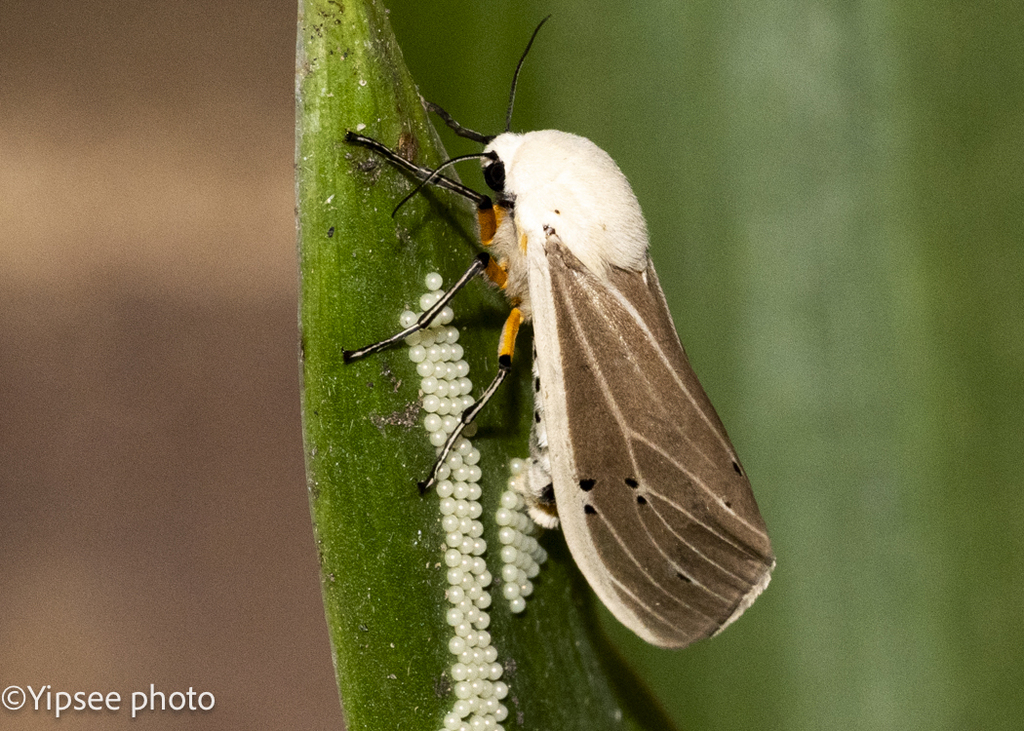
Adults live in many secondary habitats across a broad Asian range, from China and Japan to India, Southeast Asia and several Indonesian islands. Caterpillars eat many plant species, including crops like corn, beans, bananas and various grasses.
Source: Wikipedia
Where it lives
Adults can be found in a variety of secondary habitats.
Source: Wikipedia
What it eats
The larvae feed on many plants such as beet, yam, grasses, corn, beans, wisteria, mahogany, banana, willow and several vines.
Source: Wikipedia
Life cycle
Males have inflatable coremata that release pheromones at dusk, a few hours before courtship.
Source: Wikipedia
More photos
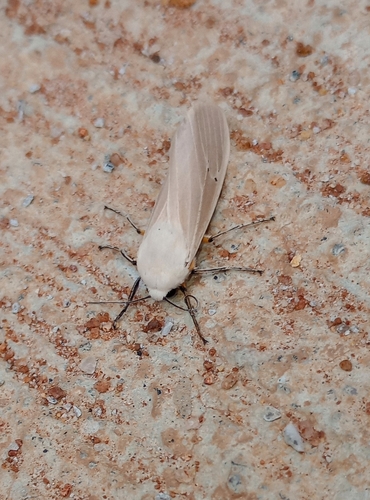
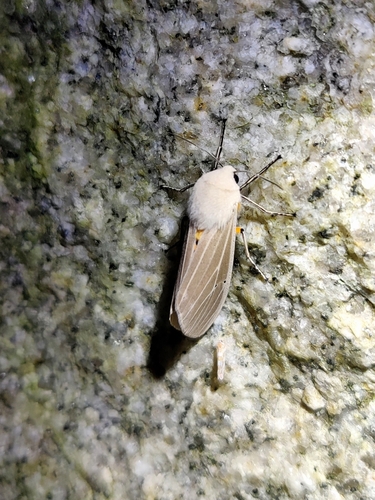
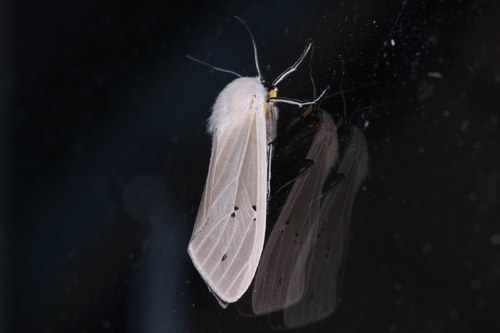
Questions people ask
Where is this moth found?
It lives across many parts of Asia, including China, Japan, India, Southeast Asia and several Indonesian islands.
Source: Wikipedia
How do the males attract females?
Males inflate coremata to release pheromones at dusk, shortly before courtship.
Source: Wikipedia
Are there similar species I might confuse with this moth?
Yes, records from the Philippines likely belong to Creatonotos wilemani, and those from Sulawesi to Creatonotos kishidai.
Source: Wikipedia
Same family (Erebidae)
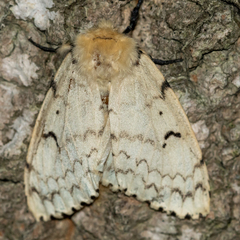 Spongy MothLymantria disparDamages trees, gardens or crops
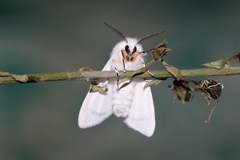 Fall Webworm MothHyphantria cuneaDamages trees, gardens or crops
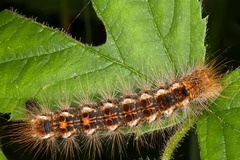 Brown-tail MothEuproctis chrysorrhoeaCan irritate skin
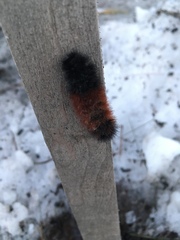 Isabella Tiger MothPyrrharctia isabella
 Virginian Tiger MothSpilosoma virginicaCan irritate skin
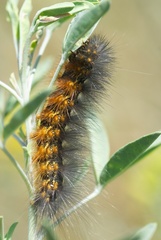 Salt Marsh MothEstigmene acrea
Sources
- Wikipedia: https://en.wikipedia.org/wiki/Creatonotos_transiens
Look it up elsewhere: GBIF · iNaturalist · BugGuide · Wikipedia
Text written 2026-10-24 from the sources above and checked sentence by sentence against them. Data fetched 2026-10-22.