 Bug FAQ
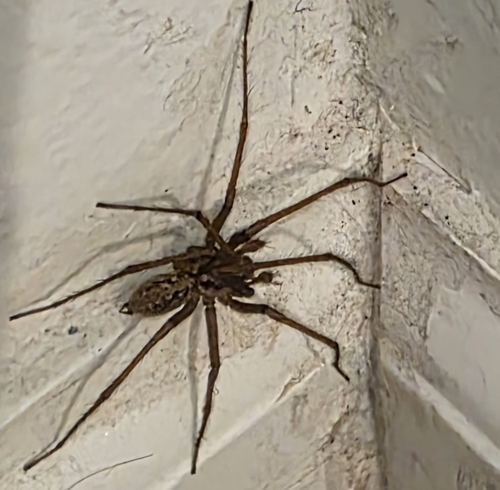
Giant House Spider
Eratigena duellica · Order: Araneae · Family: Agelenidae
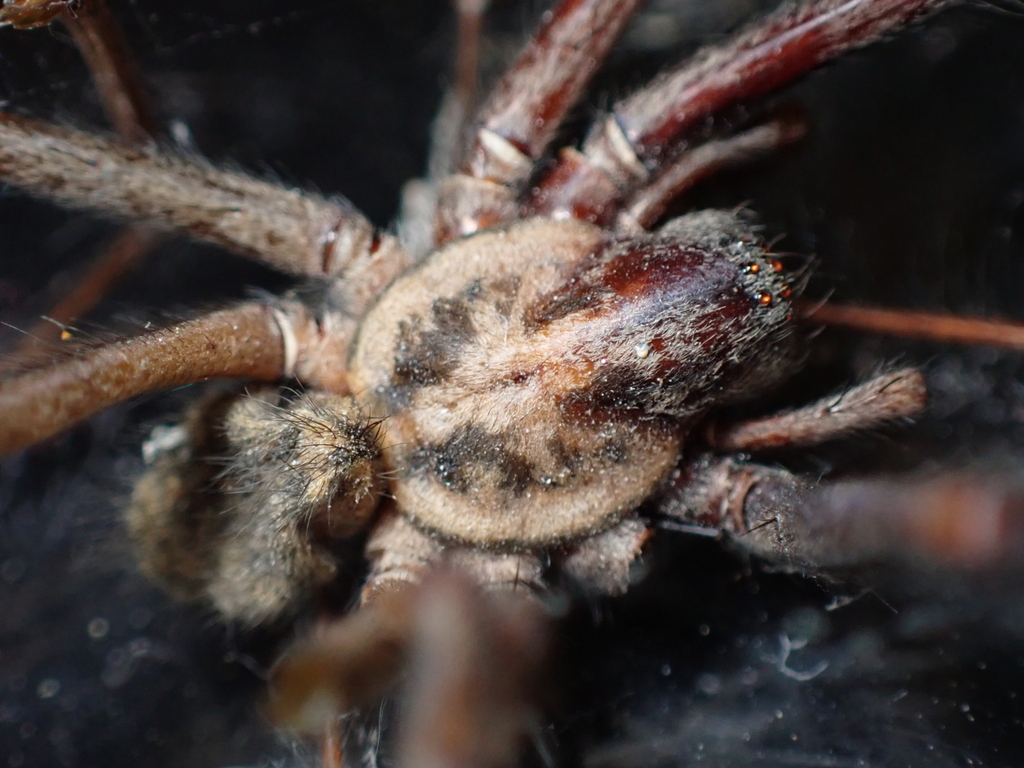
It now lives in parts of North America, including British Columbia, Washington and Oregon. It is closely related to other spiders also called giant house spiders, such as E. atrica and E. saeva.
Source: Wikipedia
Where it lives
Found in British Columbia, Canada, and the US states of Washington and Oregon.
Source: Wikipedia
Lookalikes
It was once considered the same species as E. atrica until 2018, when small morphological differences split them.
Source: Wikipedia
Where it is found in the US
Recorded in 7 of 51 states and DC. Most records: Washington, Oregon, Alaska, Colorado, Idaho, Montana, Wyoming.
Darker = more records. Counts are museum and citizen-science records, not population size.
Source: GBIF
Status: introduced in North America; introduced in United States; introduced in Canada. Source: iNaturalist
Months it is reported in the US
Source: GBIF
More photos
Questions people ask
Where can I find this spider in North America?
It is found in British Columbia, Washington and Oregon.
Source: Wikipedia
Is this spider the same as the giant house spider in Europe?
It used to be grouped with E. atrica, but was separated as its own species in 2018.
Source: Wikipedia
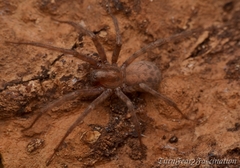
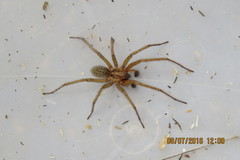
Same family (Agelenidae)


Sources
- Wikipedia: https://en.wikipedia.org/wiki/Eratigena_duellica
Look it up elsewhere: GBIF · iNaturalist · BugGuide · ITIS · Wikipedia
Text written 2026-10-22 from the sources above and checked sentence by sentence against them. Data fetched 2026-10-22.