 Bug FAQ
Long Dash
Limochores mystic · Order: Lepidoptera · Family: Hesperiidae
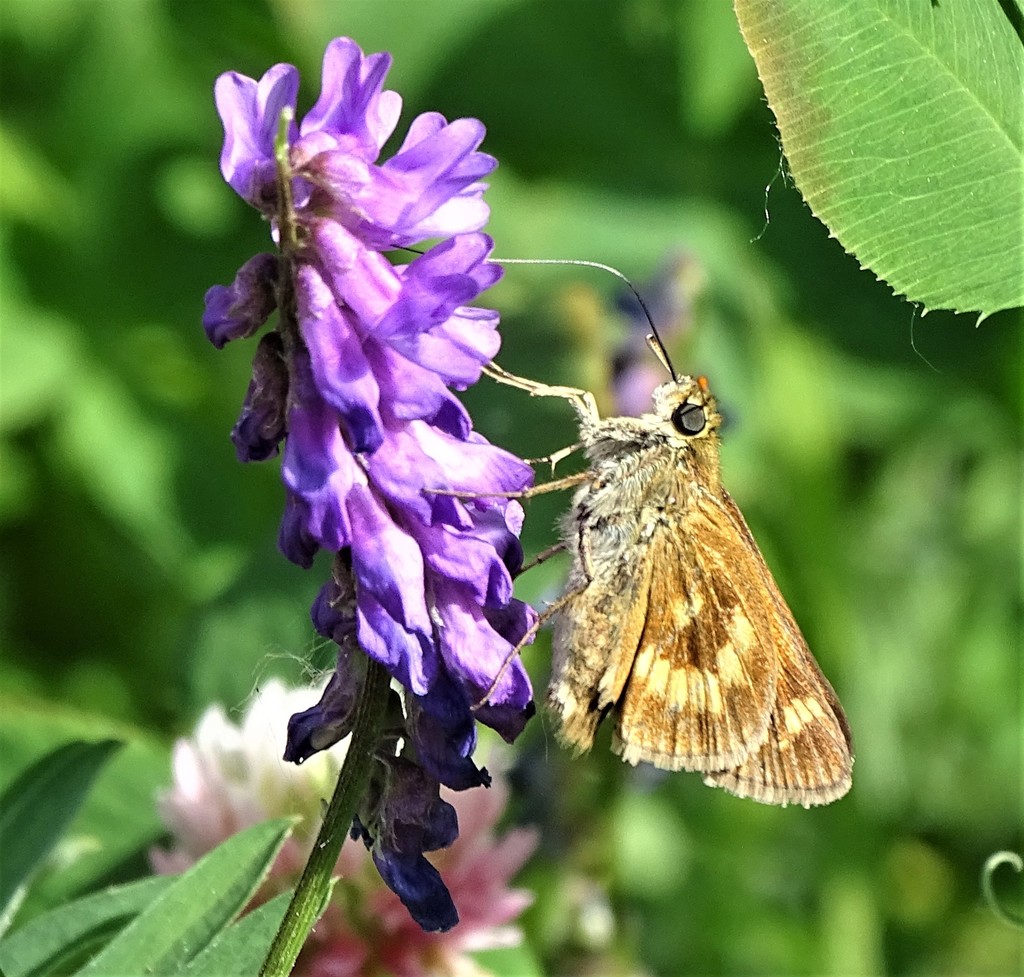
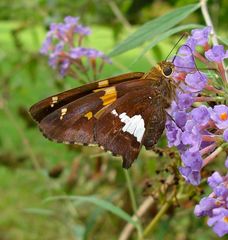
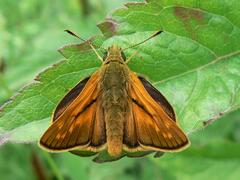
The Long Dash has dark brown-reddish to yellow-orange markings on its top side. Females show a broad black patch at the base of the forewing, while males have a long, slightly curved stigma that may link to a dash near the wing tip.
Source: Wikipedia
How to recognize it
Top side markings range from dark brown-reddish to yellow-orange. Female forewings have a broad black patch at the base. Male forewings carry a long, slightly curved stigma that may connect to a dash near the apex. The underside of the hindwing is orange-brown with a curved line of equal yellow spots.
Source: Wikipedia
Where it lives
It lives in grassy places such as meadows, marshes, stream sides, wood edges, and prairie swales. These habitats are found in northern North America and in southern mountain regions.
Source: Wikipedia
Where it comes from
Its range includes northern North America and mountainous areas of the southern continent.
Source: Wikipedia
Where it is found in the US
Recorded in 49 of 51 states and DC. Most records: Florida, Vermont, Illinois, Ohio, Texas, Massachusetts, California, New York.
Darker = more records. Counts are museum and citizen-science records, not population size.
Source: GBIF
Status: native in North America; native in United States; native in Canada. Source: iNaturalist
Months it is reported in the US
Source: GBIF
More photos
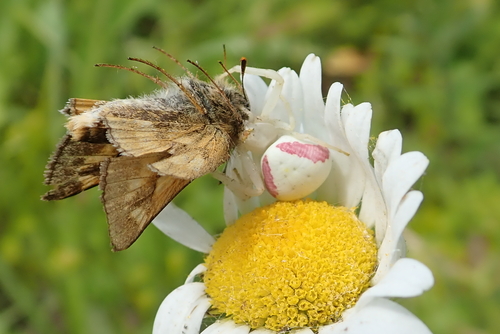
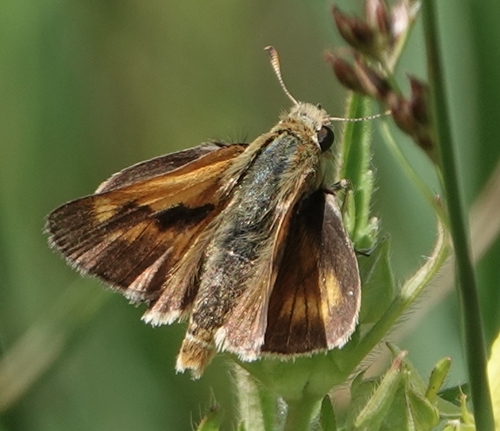

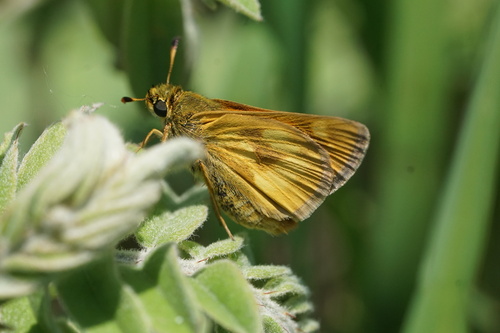
Same family (Hesperiidae)




Sources
- Wikipedia: https://en.wikipedia.org/wiki/Limochores_mystic
Look it up elsewhere: GBIF · iNaturalist · BugGuide · ITIS · Wikipedia
Text written 2026-10-22 from the sources above and checked sentence by sentence against them. Data fetched 2026-10-22.