 Bug FAQ
Palemouth
Brachydiplax denticauda · Order: Odonata · Family: Libellulidae
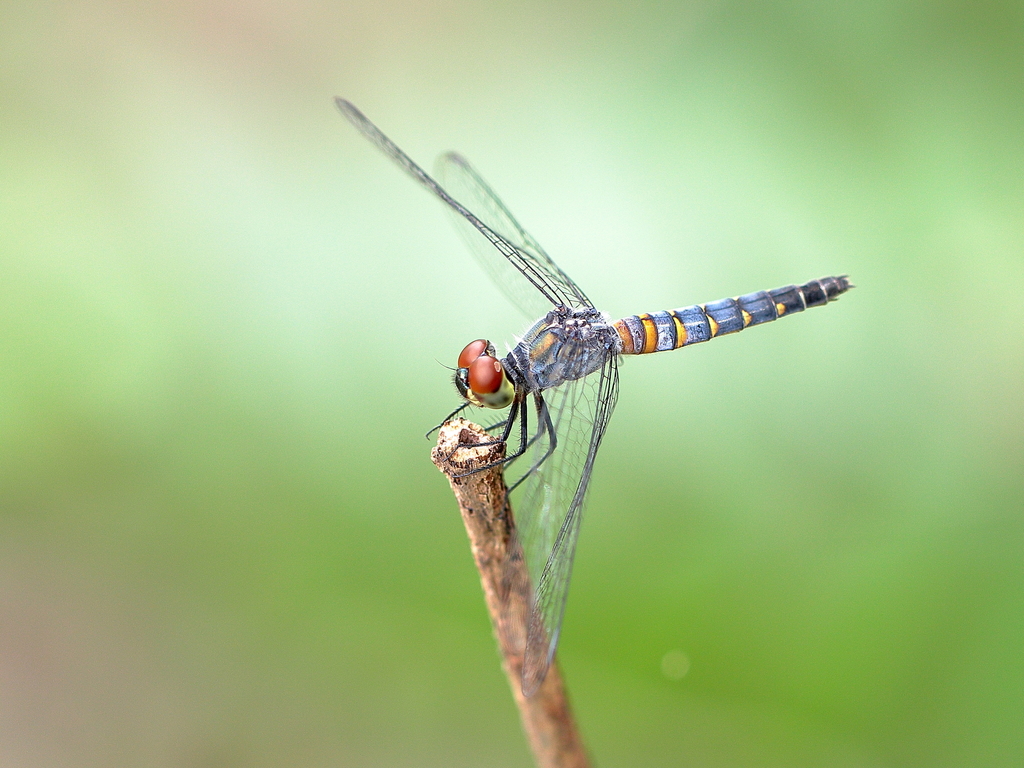
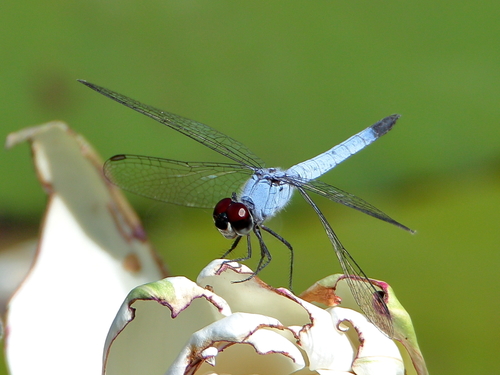
Palemouth dragonflies are small, with a wingspan of about 40 to 60 mm. Males are bright powder-blue on the thorax and abdomen and have a pale-cream labrum, which gives them the name “palemouth”.
Source: Wikipedia
How to recognize it
Males are bright powder-blue on both thorax and abdomen with a pale-cream labrum.
Source: Wikipedia
Size
The species has a wingspan of roughly 40 to 60 mm.
Source: Wikipedia
Where it lives
It prefers habitats with still or slow-moving water.
Source: Wikipedia
More photos
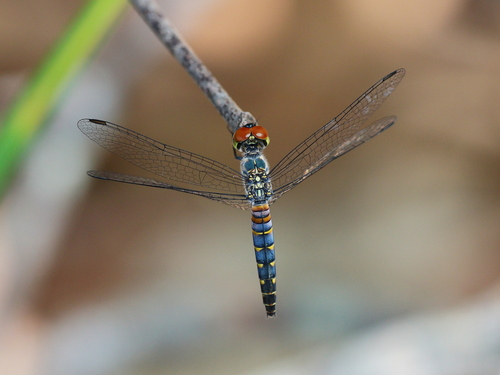
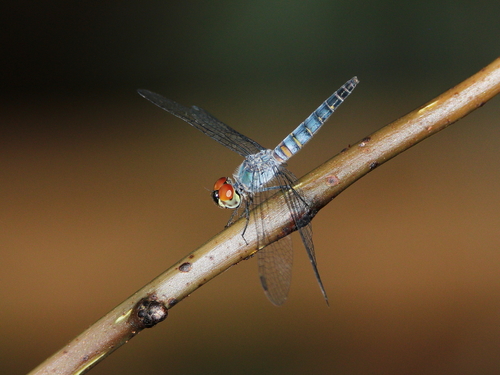
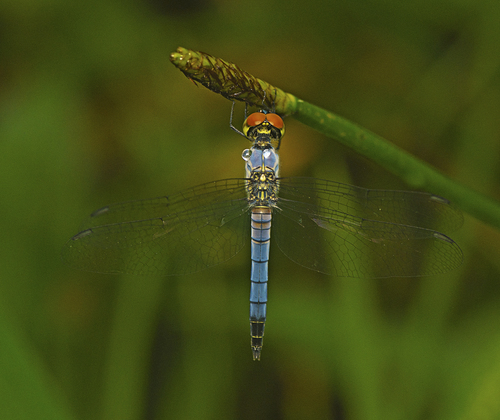
Questions people ask
What does a male Palemouth look like?
Male Palemouth dragonflies are bright powder-blue on the thorax and abdomen and have a pale-cream labrum.
Source: Wikipedia
Same family (Libellulidae)

Sources
- Wikipedia: https://en.wikipedia.org/wiki/Brachydiplax_denticauda
Look it up elsewhere: GBIF · iNaturalist · BugGuide · Wikipedia
Text written 2026-10-24 from the sources above and checked sentence by sentence against them. Data fetched 2026-10-22.