 Bug FAQ
Rice Root Aphid
Tetraneura nigriabdominalis · Order: Hemiptera · Family: Aphididae
Also called: Aphid
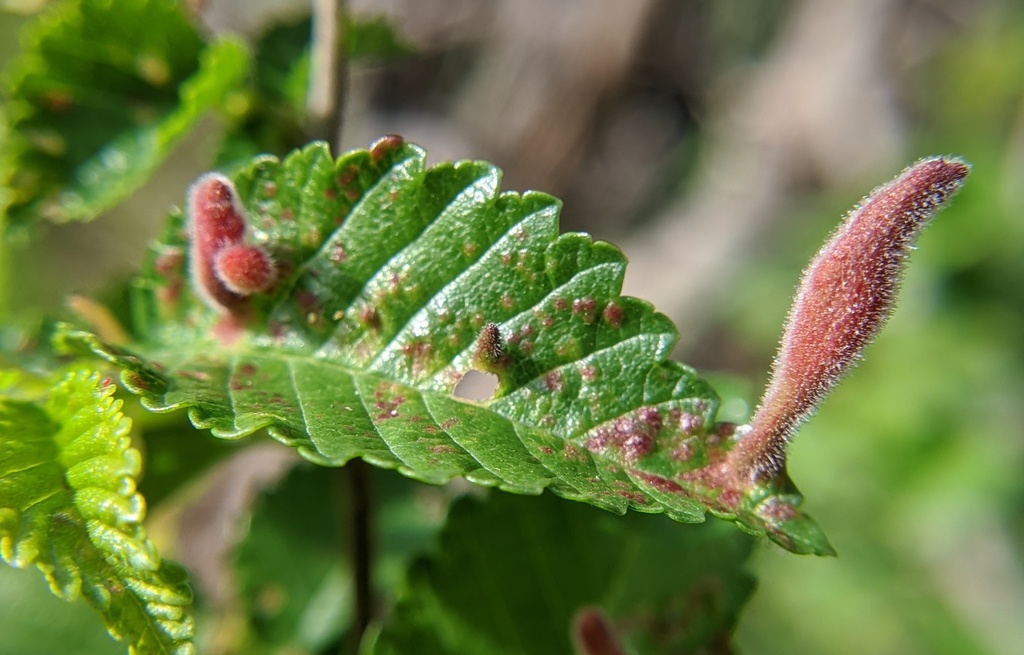
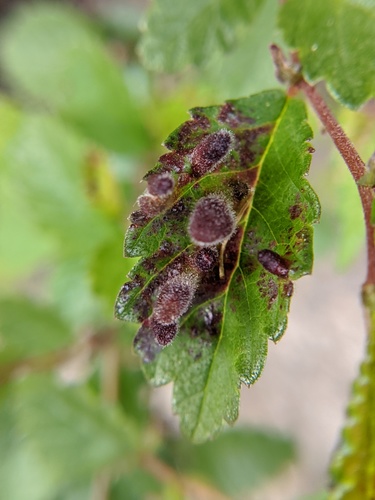
The rice root aphid lives on elm leaves as its primary host and on the roots of grasses and cereals as its secondary host. It likely originated in Asia but now occurs in southern and southeast Europe and the United States. Females lay eggs on elm leaves, causing galls where the young feed, then winged adults move to grass roots to complete the cycle.
Source: Wikipedia
Where it lives
It alternates between elm leaves and the roots of grasses and cereals.
Source: Wikipedia
What it eats
It is a true bug that sucks sap from plants.
Source: Wikipedia
Life cycle
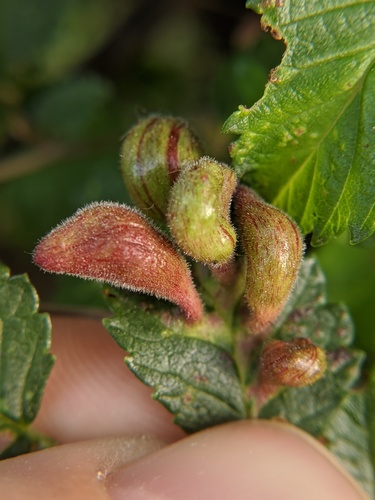
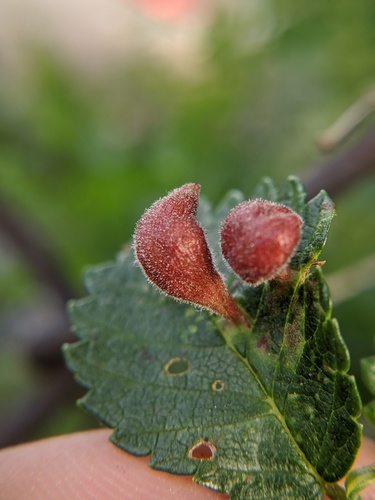
The founding female lays eggs on elm leaves, which trigger gall formation where offspring feed. Mature offspring become winged adults that move to grass or cereal roots to finish the cycle.
Source: Wikipedia
Where it comes from
It is thought to have originated in Asia. It has spread to southern and southeast Europe and the United States.
Source: Wikipedia
Where it is found in the US
Recorded in 39 of 51 states and DC. Most records: New York, Illinois, Pennsylvania, Ohio, Virginia, Tennessee, Kentucky, Maryland.
Darker = more records. Counts are museum and citizen-science records, not population size.
Source: GBIF
Months it is reported in the US
Source: GBIF
More photos
Questions people ask
What plants does the rice root aphid use?
It lives on elm leaves and on the roots of grasses and cereals.
Source: Wikipedia
Where is the rice root aphid found?
It likely originated in Asia and now occurs in southern and southeast Europe and the United States.
Source: Wikipedia
What is the life cycle of the rice root aphid?
The fundatrix lays eggs on elm leaves, causing galls; the young develop there, then winged adults move to grass roots to complete the cycle.
Source: Wikipedia
Same family (Aphididae)
 Melon AphidAphis gossypiiDamages trees, gardens or crops
 Oleander AphidAphis neriiDamages trees, gardens or crops
 Witch-hazel Cone Gall AphidHormaphis hamamelidis
 Beech Blight AphidGrylloprociphilus imbricatorDamages trees, gardens or crops
 Bean AphidAphis fabaeDamages trees, gardens or crops
 Manzanita Leafgall AphidTamalia coweni
Sources
- Wikipedia: https://en.wikipedia.org/wiki/Tetraneura_akinire
Look it up elsewhere: GBIF · iNaturalist · BugGuide · Wikipedia
Text written 2026-10-23 from the sources above and checked sentence by sentence against them. Data fetched 2026-10-23.