 Bug FAQ
Spotted Darter
Sympetrum depressiusculum · Order: Odonata · Family: Libellulidae
Also called: Marshland Darter
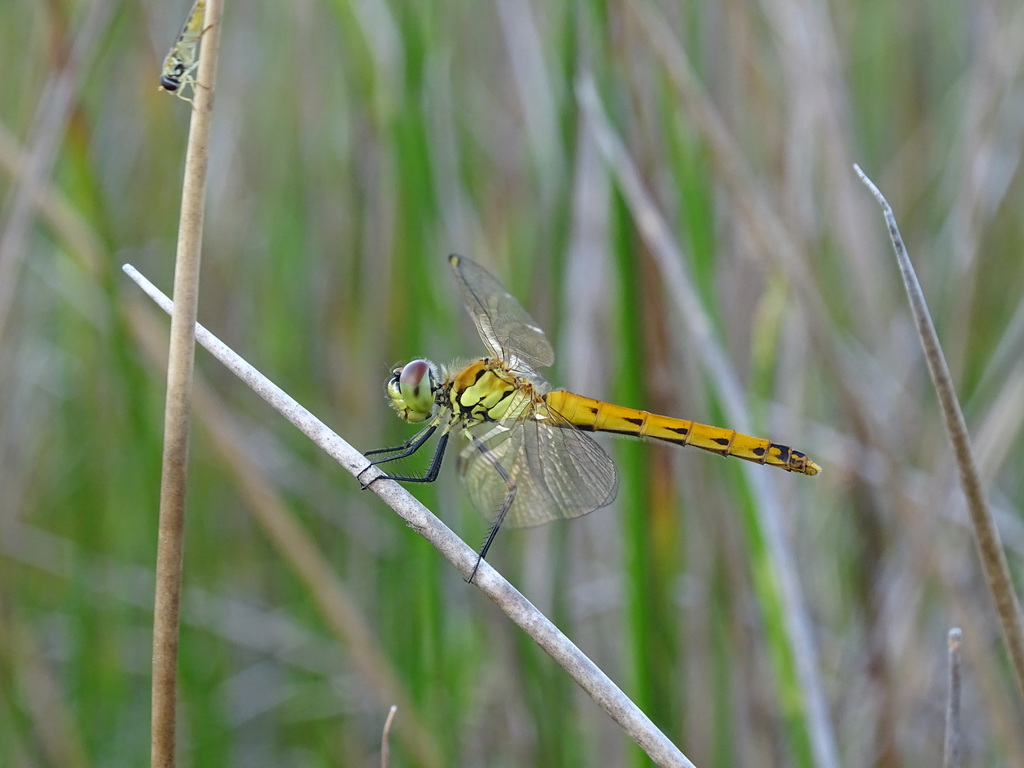
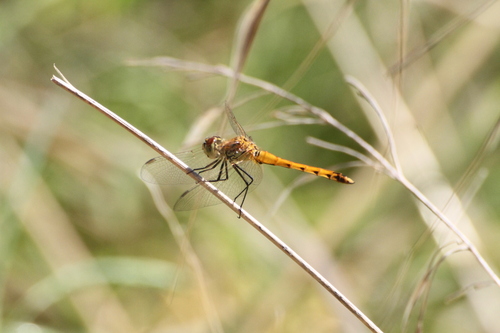
The spotted darter is a small dragonfly, 29-34 mm long, with a distinctive flattened orange abdomen marked by drop-shaped side spots and a club-shaped tip. It breeds in temporary waters that dry in autumn and refill in spring, and can also occupy human-made reservoirs and paddy fields.
Source: Wikipedia
Where it lives
It breeds in temporary water bodies that dry out in autumn and refill when snow melts in late spring. It can also colonise reservoirs and paddy fields where water levels are managed by humans.
Source: Wikipedia
When you see it
Adults are on the wing in late summer.
Source: Wikipedia
Where it comes from
The species occurs across temperate Eurasia from western Europe to Japan, avoiding Central Asian steppes and deserts.
Source: Wikipedia
Lookalikes
It resembles the male ruddy darter, which has a more evenly flattened abdomen and darker pterostigmata.
Source: Wikipedia
More photos
Questions people ask
What habitats do spotted darters use?
They breed in temporary ponds that dry in autumn and refill in spring, and can also live in reservoirs and paddy fields.
Source: Wikipedia
How can I tell a spotted darter from a ruddy darter?
Spotted darters have a club-shaped orange abdomen with drop-shaped side spots, while ruddy darters have a more evenly flattened abdomen and darker pterostigmata.
Source: Wikipedia
Same family (Libellulidae)

Sources
- Wikipedia: https://en.wikipedia.org/wiki/Sympetrum_depressiusculum
Look it up elsewhere: GBIF · iNaturalist · BugGuide · Wikipedia
Text written 2026-10-24 from the sources above and checked sentence by sentence against them. Data fetched 2026-10-22.