 Bug FAQ
The Geometrician
Grammodes stolida · Order: Lepidoptera · Family: Erebidae
Also called: Geometrician, Stolid Lines
Source: Wikipedia
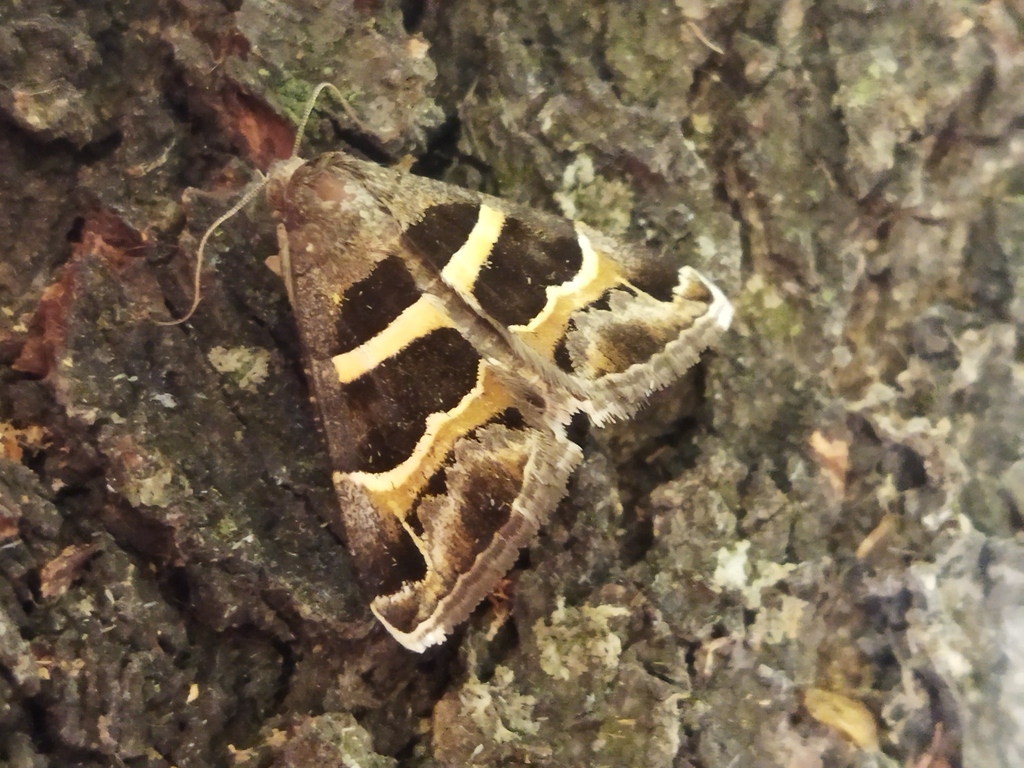
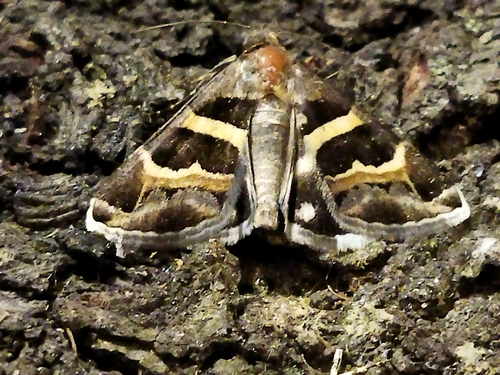
The Geometrician moth has dark forewings with distinctive pale ochreous and yellowish bands and a white-fringed hindwing. It lives across Africa, southern Europe, much of Asia and Australia and migrates north into central and northern Europe.
Source: Wikipedia
How to recognize it
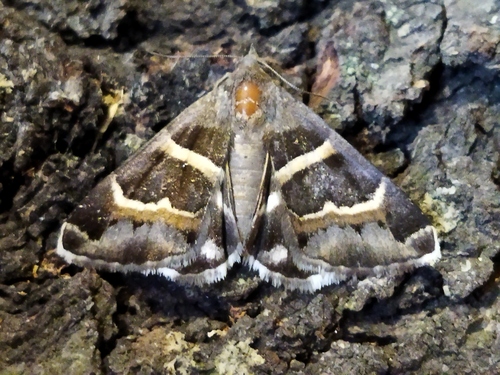
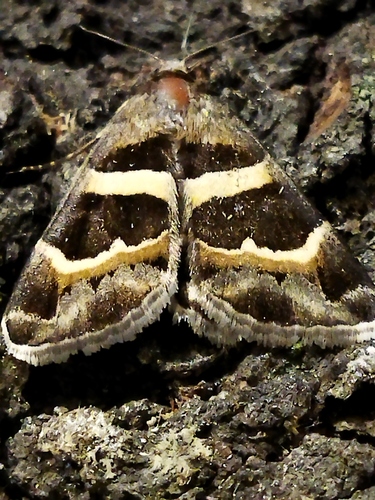
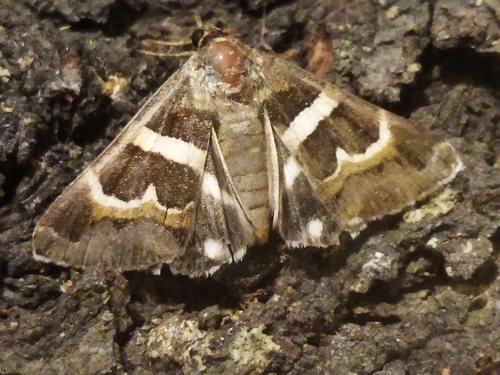
Forewings are mostly black-brown with a pale ochreous band crossing the middle and a biconcave ochreous outer band, plus several black patches near the edge; the hindwing is olive-fuscous with a white band and a white submarginal spot.
Source: Wikipedia
What it eats
The caterpillars feed on plants such as Paliurus, Rubus, Tribulus, Coriaria and oak species.
Source: Wikipedia
Life cycle
There are several generations each year. Adults are active from February through October.
Source: Wikipedia
When you see it
Adults can be seen from February to October.
Source: Wikipedia
Where it comes from
Its range includes Africa, southern Europe, much of Asia and Australia, with seasonal migration into central and northern Europe.
Source: Wikipedia
Lookalikes
The form *stupida* from Macedonia shows the same bands but only yellow at the inner margin and has two straight dark streaks, while the *attenuata* form has a very narrow white line on the hindwing.
Source: Wikipedia
More photos
Questions people ask
When can I see adult Geometrician moths?
Adults are on the wing from February through October.
Source: Wikipedia
Same family (Erebidae)
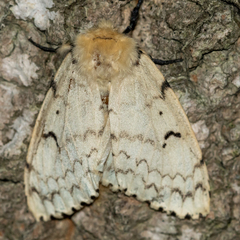 Spongy MothLymantria disparDamages trees, gardens or crops
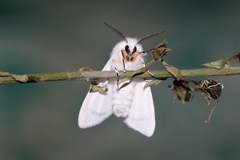 Fall Webworm MothHyphantria cuneaDamages trees, gardens or crops
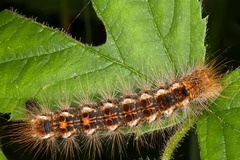 Brown-tail MothEuproctis chrysorrhoeaCan irritate skin
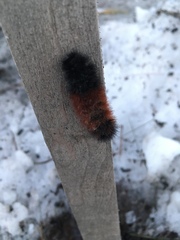 Isabella Tiger MothPyrrharctia isabella
 Virginian Tiger MothSpilosoma virginicaCan irritate skin
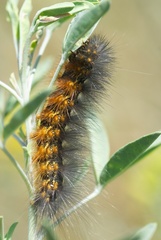 Salt Marsh MothEstigmene acrea
Sources
- Wikipedia: https://en.wikipedia.org/wiki/Grammodes_stolida
Look it up elsewhere: GBIF · iNaturalist · BugGuide · Wikipedia
Text written 2026-10-24 from the sources above and checked sentence by sentence against them. Data fetched 2026-10-22.