 Bug FAQ
Twelve-spotted Skimmer
Libellula pulchella · Order: Odonata · Family: Libellulidae
Also called: Twelve-spot Skimmer
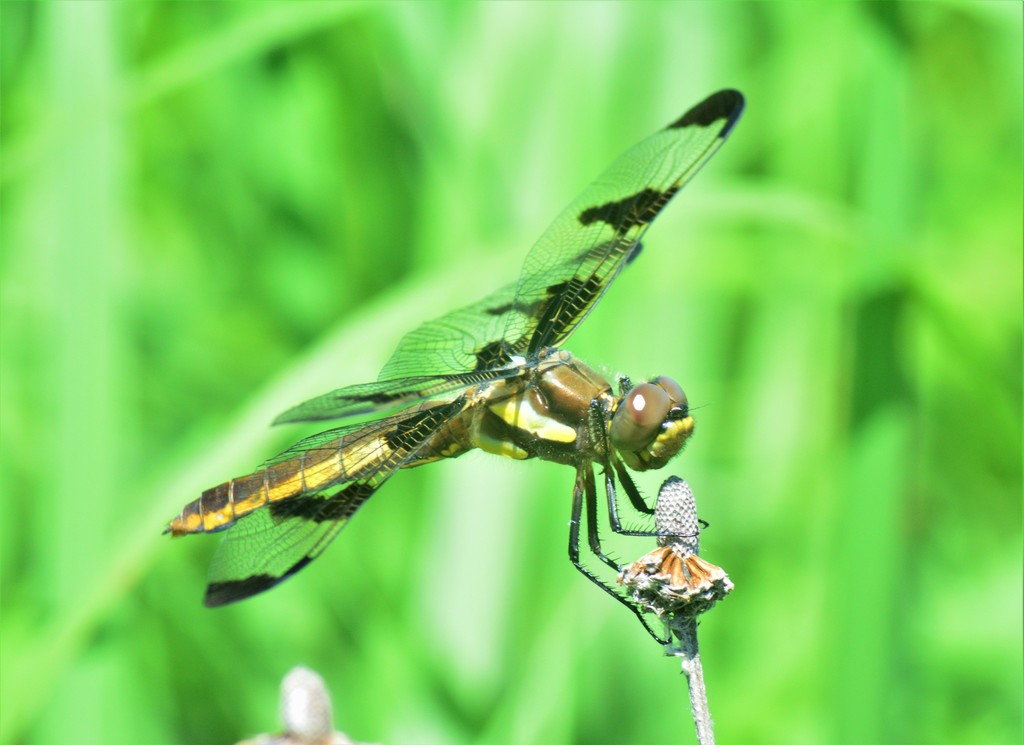
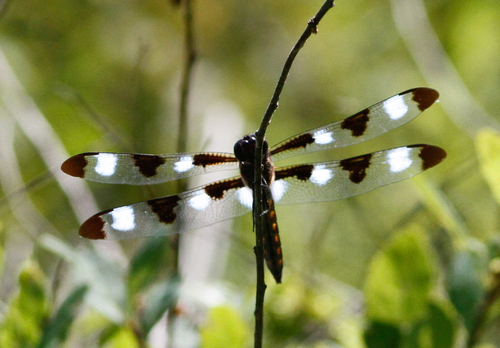
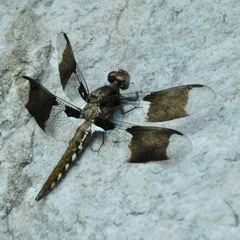
The Twelve-spotted Skimmer is a large dragonfly about 5 cm long. Each wing shows three brown spots, and adult males add white spots that give the appearance of ten spots total. It occurs throughout southern Canada and all 48 contiguous United States.
Source: Wikipedia
How to recognize it
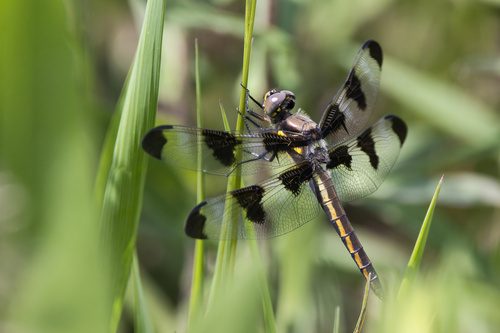
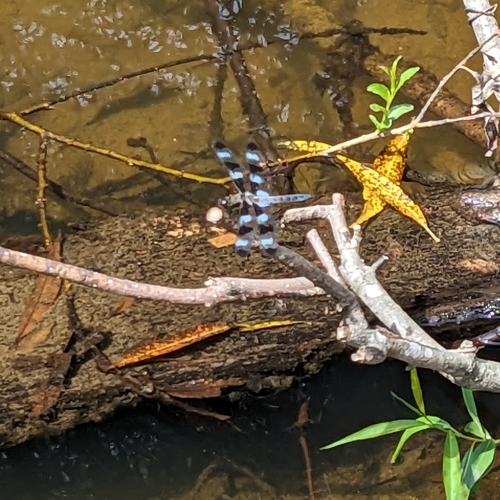
Each wing has three brown spots. Adult males also have white spots between the brown ones and at the hindwing bases, making ten spots in total.
Source: Wikipedia
Size
It measures about 50 mm (2 in) in length, which is large for a dragonfly.
Source: Wikipedia
Where it comes from
Found in southern Canada and across all 48 contiguous U.S. states.
Source: Wikipedia
Where it is found in the US
Recorded in 49 of 51 states and DC. Most records: Ohio, Minnesota, Texas, Michigan, Illinois, California, Wisconsin, New York.
Darker = more records. Counts are museum and citizen-science records, not population size.
Source: GBIF
Status: native in North America; native in Canada; native in United States. Source: iNaturalist
Months it is reported in the US
Source: GBIF
More photos
Questions people ask
Where can I find a Twelve-spotted Skimmer?
They are found throughout southern Canada and all 48 contiguous United States.
Source: Wikipedia
Same family (Libellulidae)

Sources
- Wikipedia: https://en.wikipedia.org/wiki/Twelve-spotted_skimmer
Look it up elsewhere: GBIF · iNaturalist · BugGuide · ITIS · Wikipedia
Text written 2026-10-22 from the sources above and checked sentence by sentence against them. Data fetched 2026-10-22.