 Bug FAQ
Uncas Skipper
Hesperia uncas · Order: Lepidoptera · Family: Hesperiidae
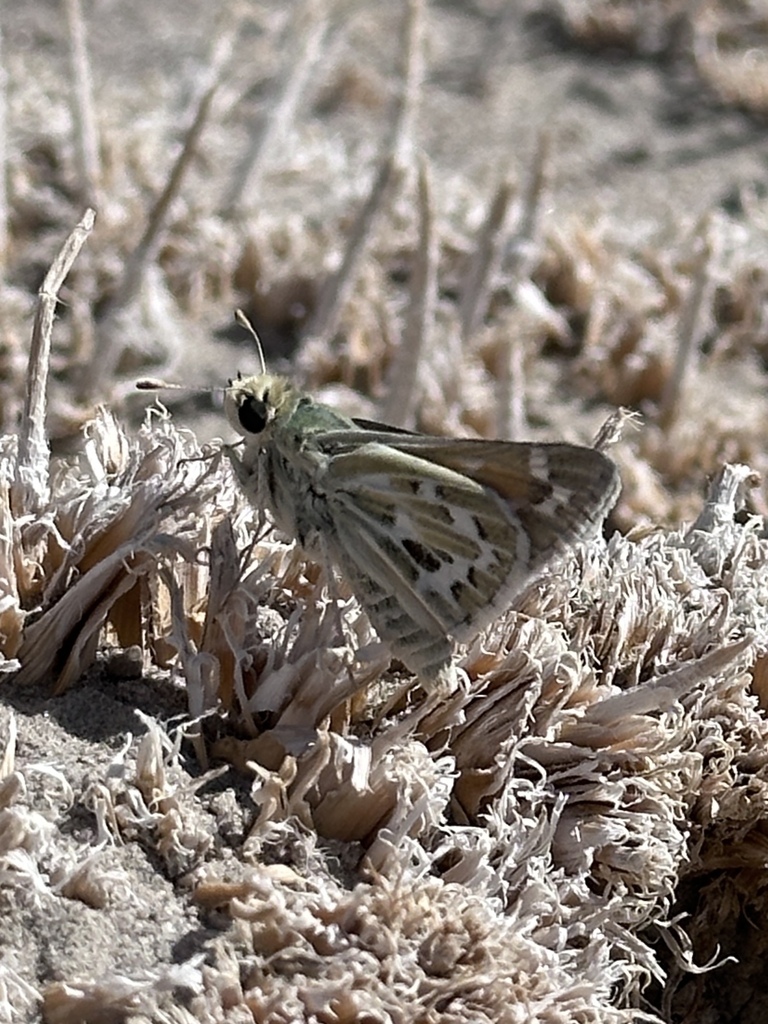
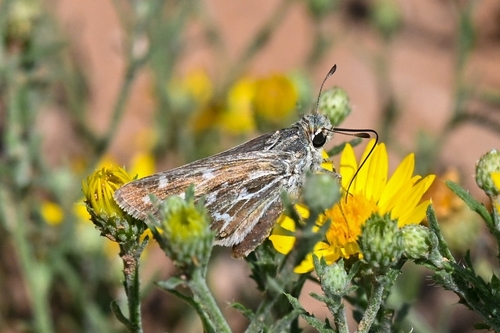
The Uncas skipper is a butterfly in the Hesperiidae family with a wingspan of about 32 to 42 mm. It lives in sandy spots, open woods and sagebrush areas across the US Midwest to southern Canadian Prairies, reaching as far north as Edmonton, Alberta. Larvae feed on grasses such as Deschampsia elongata and Stipa, while adults sip nectar from flowers like rabbitbrush and blue grama.
Source: Wikipedia
How to recognize it
Hesperia uncas, called the Uncas skipper or white-vein skipper, belongs to the butterfly family Hesperiidae.
Source: Wikipedia
Size
Its wingspan ranges from 32 to 42 mm.
Source: Wikipedia
Where it lives
It prefers sandy areas, open woodlands, and sagebrush habitats.
Source: Wikipedia
Where it comes from
The species is found from the US Midwest into the southern parts of the three Canadian Prairie provinces, extending north to Edmonton, Alberta.
Source: Wikipedia
Where it is found in the US
Recorded in 20 of 51 states and DC. Most records: Colorado, New Mexico, California, Nebraska, Arizona, Wyoming, Kansas, Montana.
Darker = more records. Counts are museum and citizen-science records, not population size.
Source: GBIF
Status: native in North America; native in Canada; native in United States. Source: iNaturalist
Months it is reported in the US
Source: GBIF
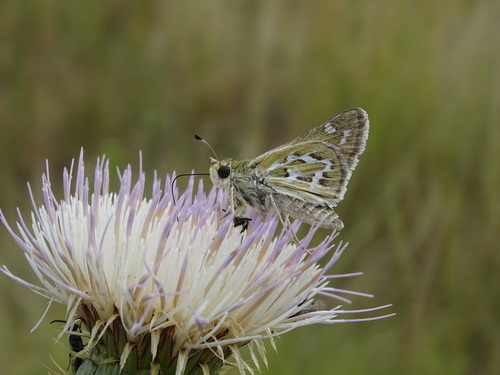
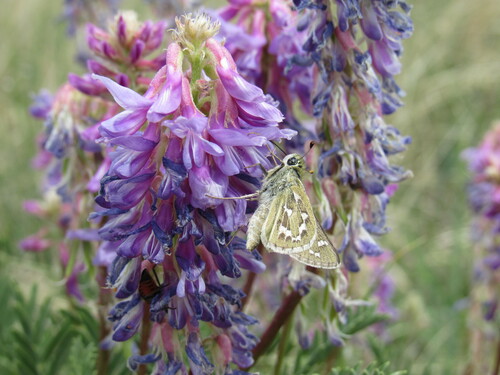
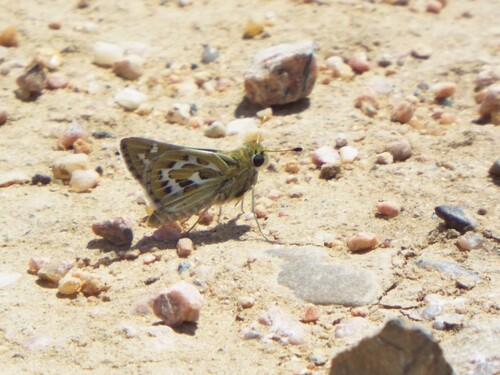
More photos
Questions people ask
When can I see adult Uncas skippers?
Adults are on the wing in two periods: May-June and August-September, while in Canada they appear from mid-June to late July.
Source: Wikipedia
Same family (Hesperiidae)




Sources
- Wikipedia: https://en.wikipedia.org/wiki/Hesperia_uncas
Look it up elsewhere: GBIF · iNaturalist · BugGuide · ITIS · Wikipedia
Text written 2026-10-24 from the sources above and checked sentence by sentence against them. Data fetched 2026-10-24.