 Bug FAQ
African Joker
Byblia anvatara · Order: Lepidoptera · Family: Nymphalidae
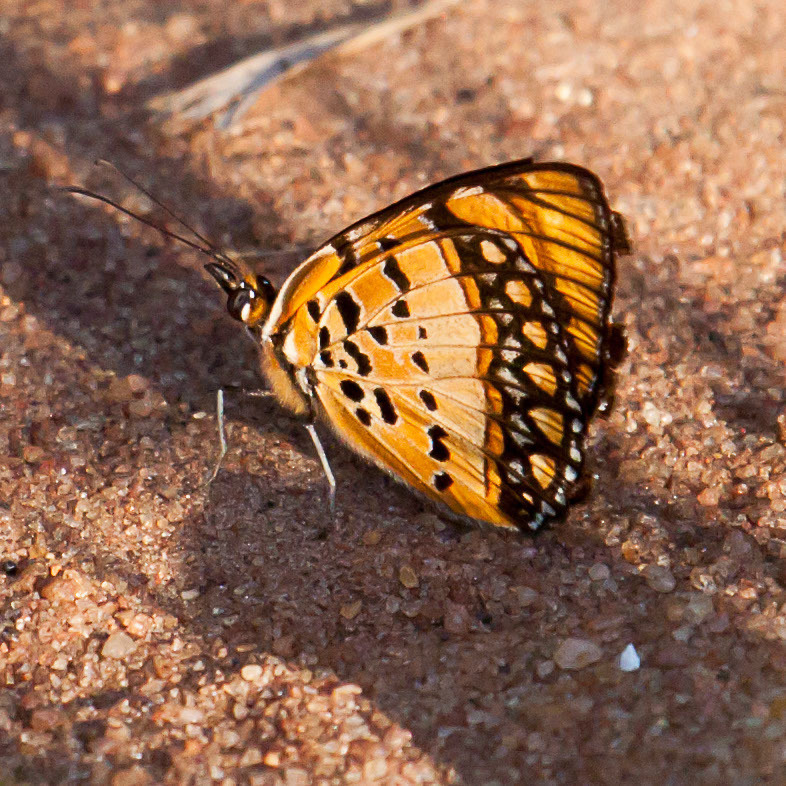
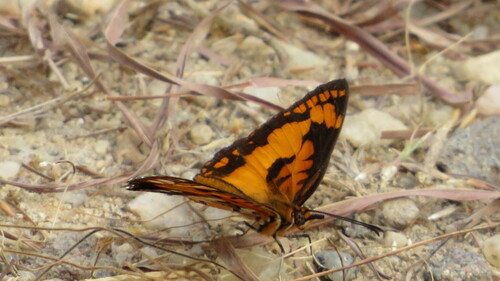
The common joker butterfly (Byblia anvatara) belongs to the Nymphalidae family and is found across Sub-Saharan Africa. Males have a wingspan of 38 to 43 mm and females 40 to 45 mm; adults are on the wing all year round. Its larvae feed on the plants Tragia glabrata and Dalechampia capensis.
Source: Wikipedia
How to recognize it
Byblia anvatara, called the common joker, is a butterfly in the family Nymphalidae.
Source: Wikipedia
Size
Males have a wingspan of about 38 to 43 mm, while females are slightly larger at 40 to 45 mm.
Source: Wikipedia
Where it lives
It lives in Sub-Saharan Africa.
Source: Wikipedia
What it eats
The caterpillars feed on Tragia glabrata and Dalechampia capensis.
Source: Wikipedia
Life cycle
Adults can be seen flying throughout the entire year.
Source: Wikipedia
When you see it
Its flight period is year-round.
Source: Wikipedia
Where it comes from
Its native range is Sub-Saharan Africa.
Source: Wikipedia
More photos
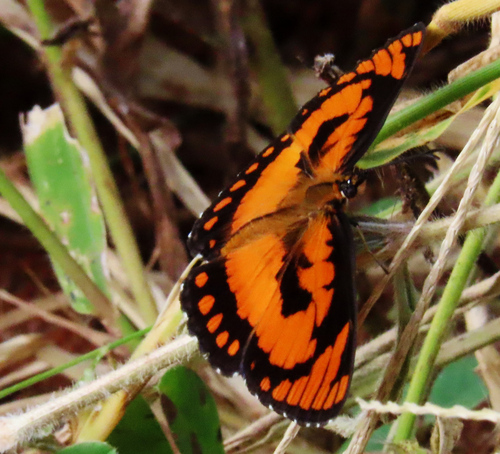
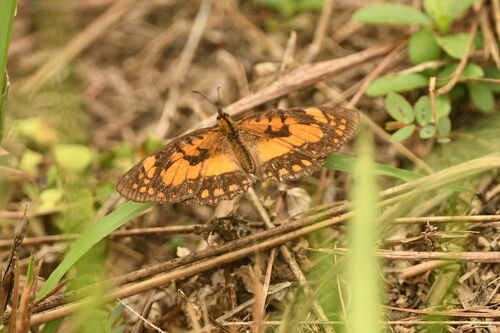
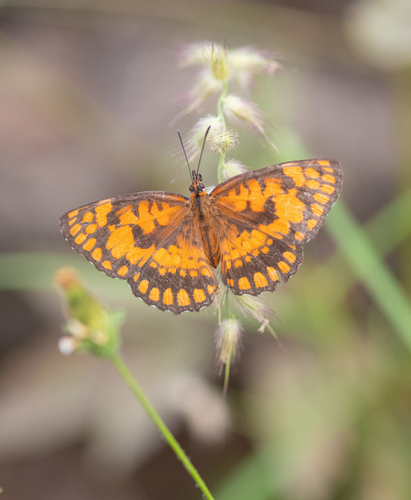
Questions people ask
When can I see the common joker butterfly?
Adults are on the wing all year, so you may spot them any month.
Source: Wikipedia
What do the caterpillars eat?
They feed on the plants Tragia glabrata and Dalechampia capensis.
Source: Wikipedia
Same family (Nymphalidae)






Sources
- Wikipedia: https://en.wikipedia.org/wiki/Byblia_anvatara
Look it up elsewhere: GBIF · iNaturalist · BugGuide · Wikipedia
Text written 2026-10-24 from the sources above and checked sentence by sentence against them. Data fetched 2026-10-22.