 Bug FAQ
Brassy Blister Beetle
Lytta aenea · Order: Coleoptera · Family: Meloidae
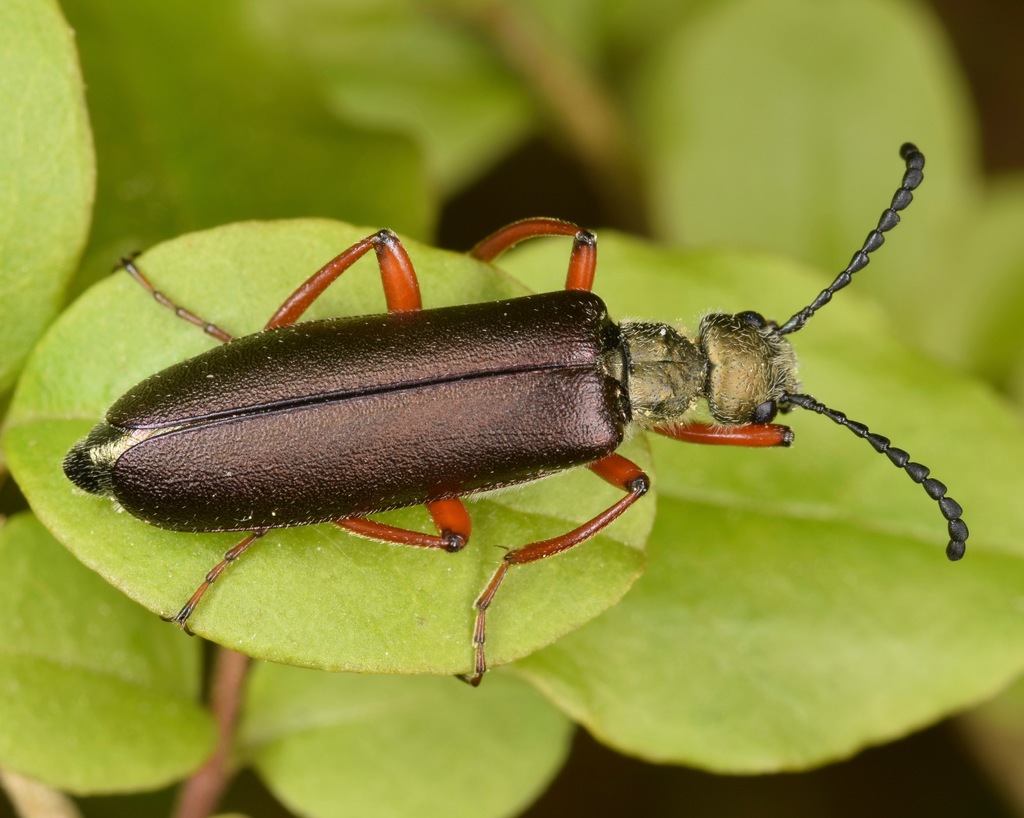
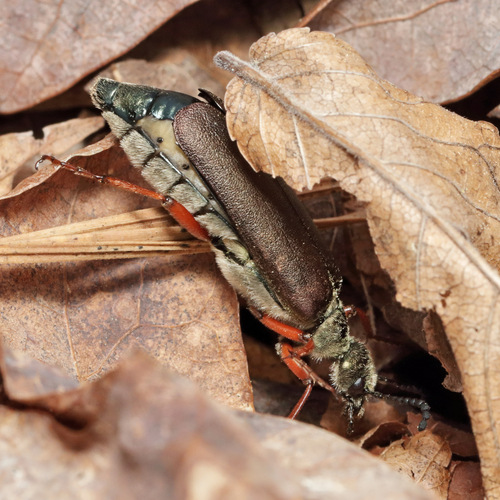
The Brassy Blister Beetle gets its name from the bronze-colored wing covers. It lives across eastern North America, from Texas up to New England and west to the Great Plains. Adults feed mainly on flowers of the rose family, and also on willow, hickory flowers and oak leaves.
Source: Wikipedia
How to recognize it
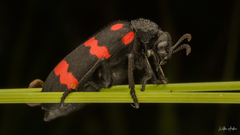
Its elytra are a metallic bronze color.
Source: Wikipedia
What it eats
Primarily eats flowers of the Rosaceae family. Also feeds on willow flowers, hickory flowers, and oak leaves.
Source: Wikipedia
Where it comes from
Its range matches the eastern North American region described for its habitat.
Source: Wikipedia
Where it is found in the US
Recorded in 37 of 51 states and DC. Most records: Virginia, North Carolina, Maryland, Pennsylvania, Ohio, Tennessee, Georgia, Massachusetts.
Darker = more records. Counts are museum and citizen-science records, not population size.
Source: GBIF
Months it is reported in the US
Source: GBIF
More photos
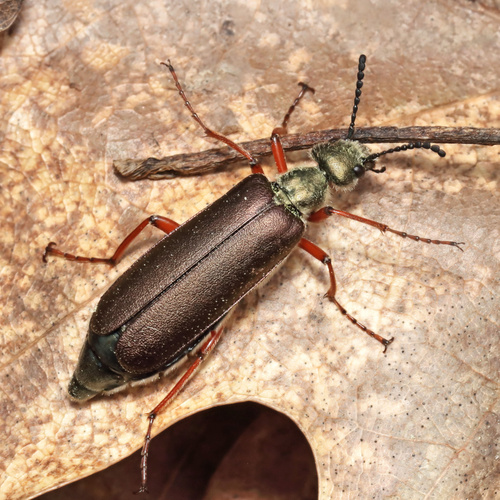
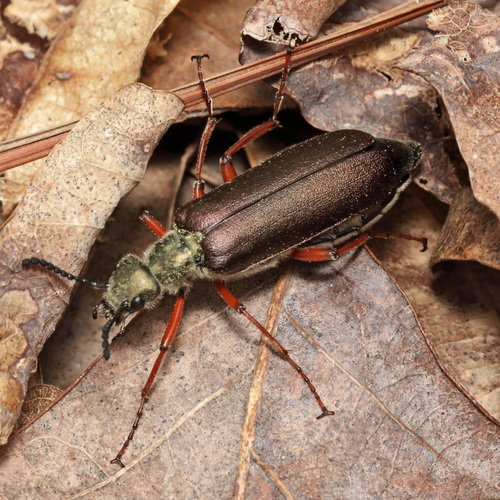
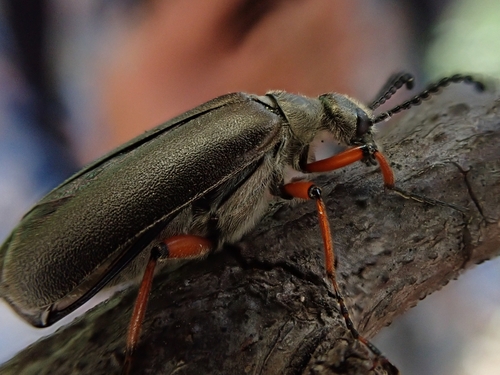
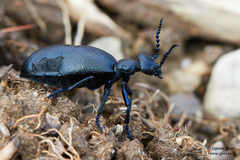
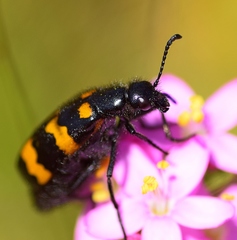
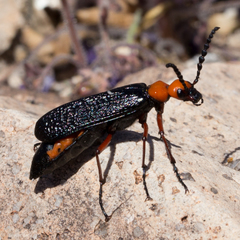
Same family (Meloidae)


Sources
- Wikipedia: https://en.wikipedia.org/wiki/Lytta_aenea
Look it up elsewhere: GBIF · iNaturalist · BugGuide · ITIS · Wikipedia
Text written 2026-10-22 from the sources above and checked sentence by sentence against them. Data fetched 2026-10-22.