 Bug FAQ
Chinese Mantis
Tenodera sinensis · Order: Mantodea · Family: Mantidae
Also called: Chinese mantid
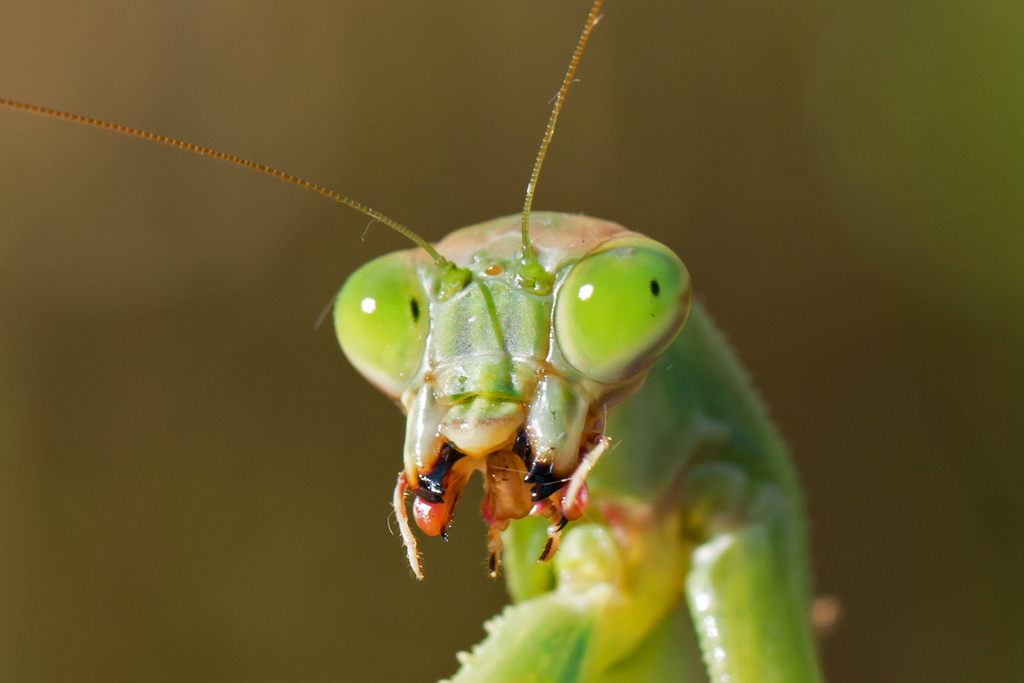
It is the largest North American mantis, reaching just over 11 cm and comes in green or brown forms with a green stripe. It lives in early-succession fields and old man-made fields, attaching its egg cases to bushes and small trees. It eats large insects and occasionally small vertebrates, but does not hunt pest insects deliberately.
Source: Wikipedia
How to recognize it
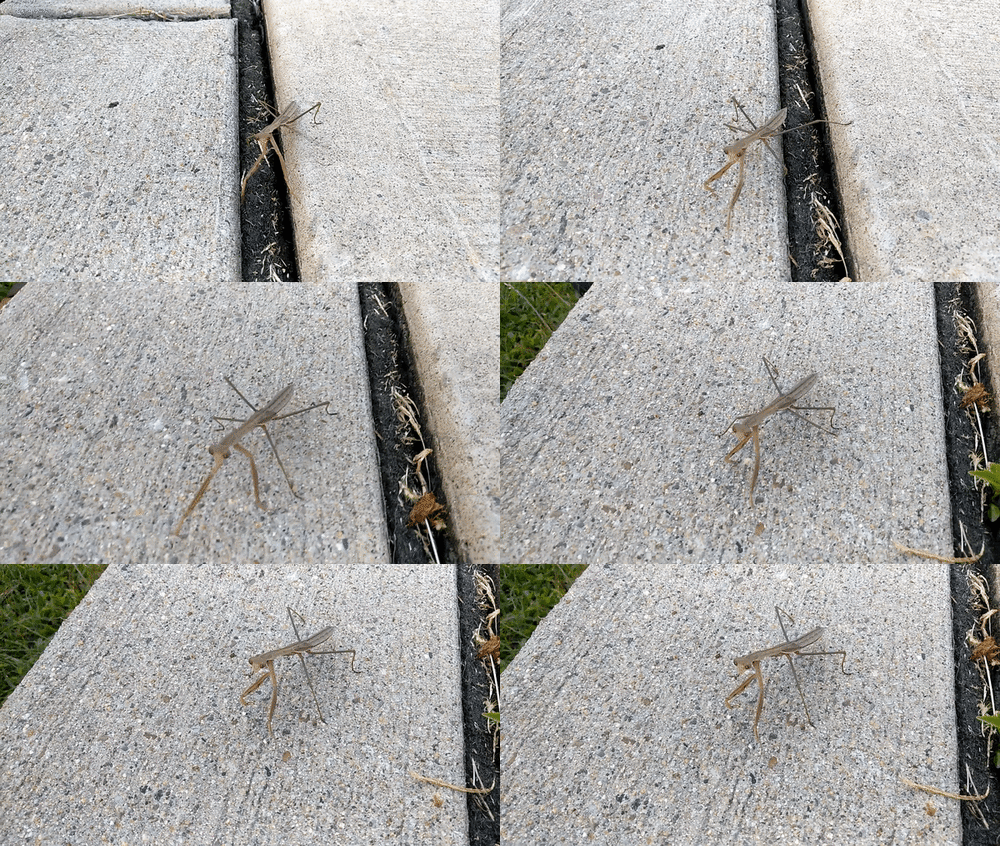
The mantis is long, slender and brown-green, sometimes overall green or brown with a green stripe on the front wing edges.
Source: Wikipedia
Size
It can grow to just over 11 cm (4.3 in), making it the biggest mantis in North America.
Source: Wikipedia
Is it a pest in the house?
Because they stay in fields and old man-made habitats, they have little impact on homes compared with more invasive species. They ambush anything they can subdue but do not actively hunt household pest insects.
Source: Wikipedia
Where it lives
It prefers early-succession habitats and old fields created by humans.
Source: Wikipedia
What it eats
Adults mainly eat large insects, and sometimes catch small reptiles, amphibians, spiders, hornets, grasshoppers, katydids, and even hummingbirds.
Source: Wikipedia
Life cycle
They hatch in spring, grow and molt through summer, lay eggs at summer’s end, and die when it gets too cold, living about a year.
Source: Wikipedia
When you see it
Their active season runs from spring through summer, ending with egg laying in late summer.
Source: Wikipedia
Where it comes from
It originates from China, Japan, the Korean Peninsula and southern Primorsky Krai in Russia.
Source: Wikipedia
Lookalikes
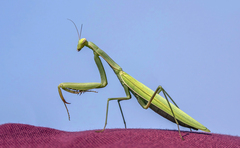
It looks similar to the narrow-winged mantis (T. angustipennis), which has an orange spot between the front legs instead of the Chinese mantis’s yellow spot. The European mantis and Carolina mantis are smaller but also resemble the Chinese mantis.
Source: Wikipedia
Where it is found in the US
Recorded in 47 of 51 states and DC. Most records: Pennsylvania, Ohio, Virginia, Maryland, Illinois, New York, Massachusetts, North Carolina.
Darker = more records. Counts are museum and citizen-science records, not population size.
Source: GBIF
Status: introduced in North America; introduced in United States; introduced in Canada. Source: iNaturalist
Months it is reported in the US
Source: GBIF
More photos
Questions people ask
Are they a problem inside the house?
They usually stay in fields and old vegetation, so they rarely enter homes and cause little damage.
Source: Wikipedia
Same family (Mantidae)
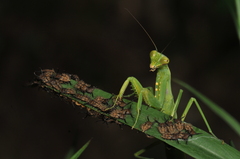
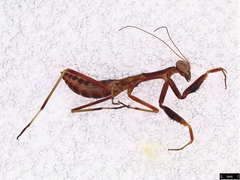
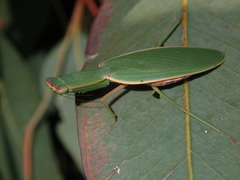
Sources
- Wikipedia: https://en.wikipedia.org/wiki/Chinese_mantis
Look it up elsewhere: GBIF · iNaturalist · BugGuide · Wikipedia
Text written 2026-10-22 from the sources above and checked sentence by sentence against them. Data fetched 2026-10-22.