 Bug FAQ
Magnificent Velvet Ant
Dasymutilla magnifica · Order: Hymenoptera · Family: Mutillidae
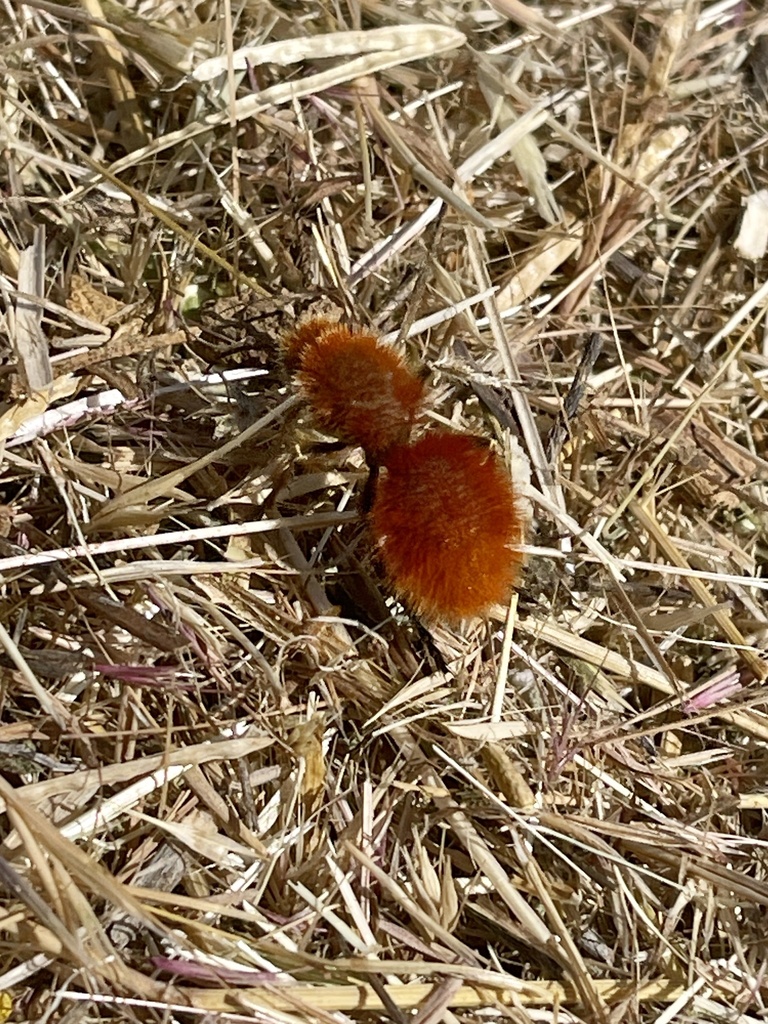
The magnificent velvet ant lives in the Mojave and Sonoran deserts, the Arizona mountains, and the Great Basin region of North America. It is hard to identify because it looks a lot like Dasymutilla klugii, which shares part of its range.
Source: Wikipedia
How to recognize it
Identifying this species in the field is difficult because it closely resembles Dasymutilla klugii in size and color.
Source: Wikipedia
Where it lives
It is found in desert and mountain habitats of the Mojave, Sonoran, and Great Basin areas.
Source: Wikipedia
Where it comes from
Its range includes the Mojave and Sonoran deserts, Arizona mountains, and the Great Basin region of North America.
Source: Wikipedia
Where it is found in the US
Recorded in 9 of 51 states and DC. Most records: Arizona, California, Utah, Nevada, New Mexico, Colorado, Louisiana, Oklahoma.
Darker = more records. Counts are museum and citizen-science records, not population size.
Source: GBIF
Status: native in North America; native in United States. Source: iNaturalist
Months it is reported in the US
Source: GBIF
More photos
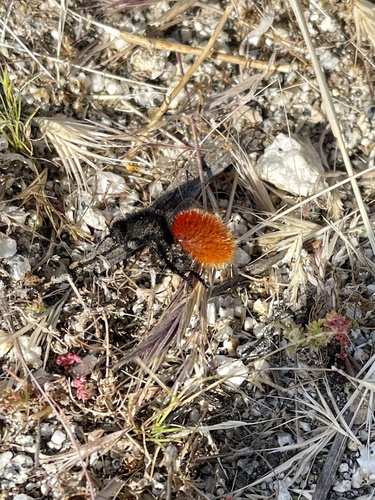
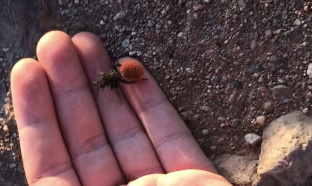
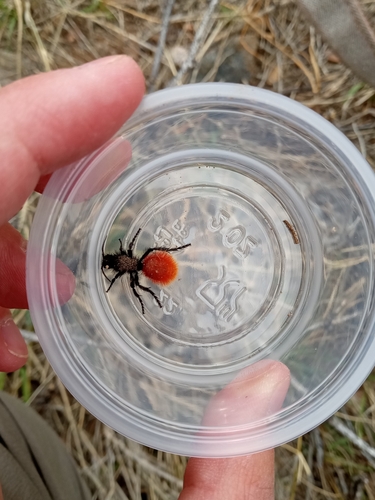
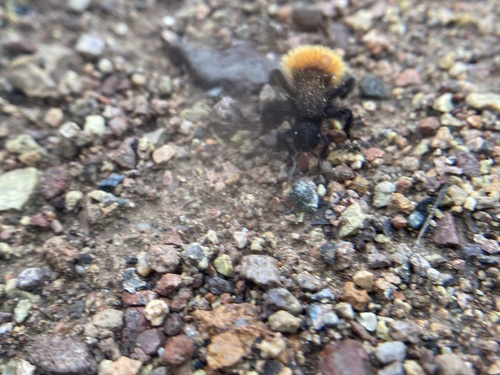
Same family (Mutillidae)


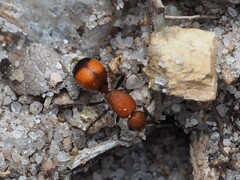
Sources
- Wikipedia: https://en.wikipedia.org/wiki/Dasymutilla_magnifica
Look it up elsewhere: GBIF · iNaturalist · BugGuide · Wikipedia
Text written 2026-10-24 from the sources above and checked sentence by sentence against them. Data fetched 2026-10-24.