 Bug FAQ
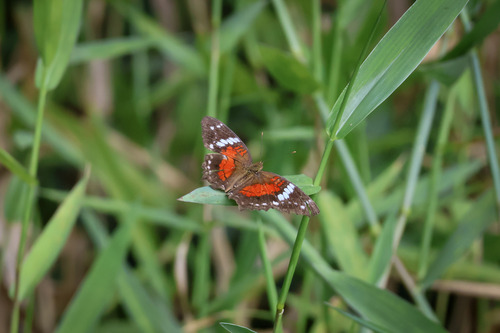
Red Peacock
Anartia amathea · Order: Lepidoptera · Family: Nymphalidae
Also called: Scarlet Peacock, Brown Peacock Butterfly, Red Peacock Butterfly
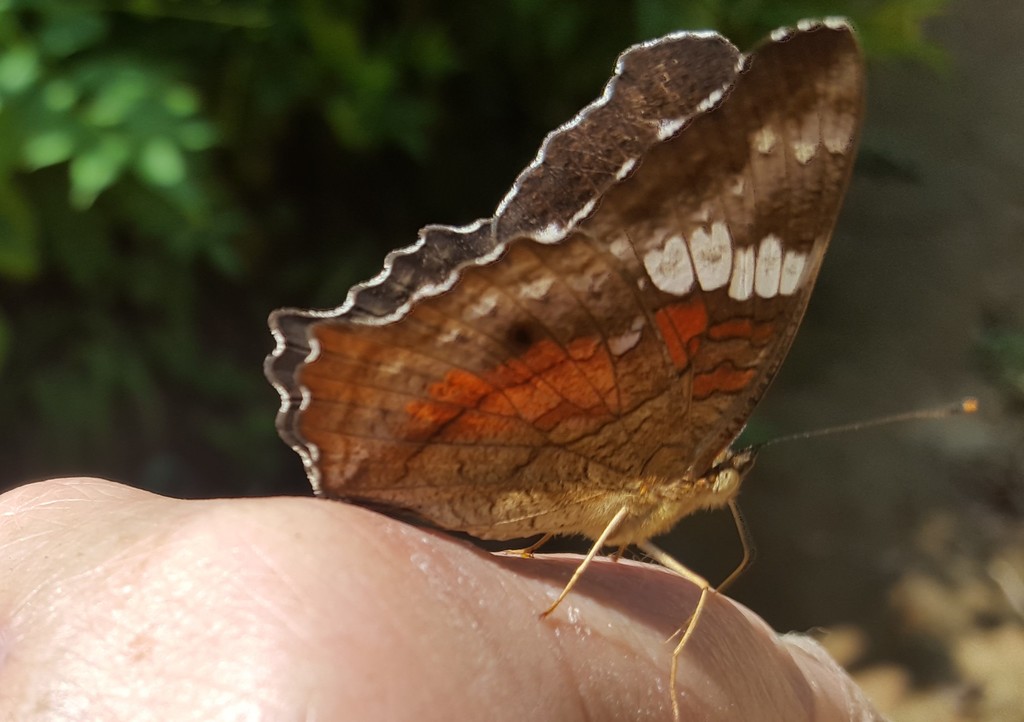
Adults feed on flower nectar, while the caterpillars use plants from the Acanthaceae and Labiatae families as hosts. It looks very similar to the banded peacock (Anartia fatima), which lives mainly north of its range.
Source: Wikipedia
How to recognize it
It is easily confused with the banded peacock butterfly, which occurs mainly north of its distribution.
Source: Wikipedia
What it eats
Adults drink nectar from flowers. Caterpillars feed on plants in the Acanthaceae and Labiatae families.
Source: Wikipedia
Where it comes from
The species is primarily found in South America. Its type locality is likely Suriname, and its range extends from Panama down to Argentina, also reaching islands such as Grenada, Barbados and Antigua.
Source: Wikipedia
Lookalikes
It is very similar to the banded peacock (Anartia fatima), which lives mainly north of its range.
Source: Wikipedia
Where it is found in the US
Recorded in 1 of 51 states and DC. Most records: New Mexico.
Darker = more records. Counts are museum and citizen-science records, not population size.
Source: GBIF
More photos
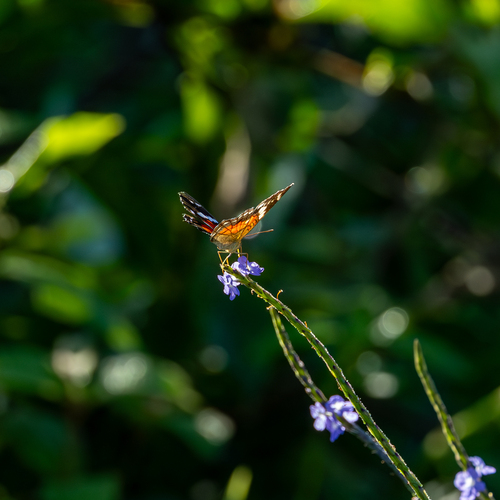
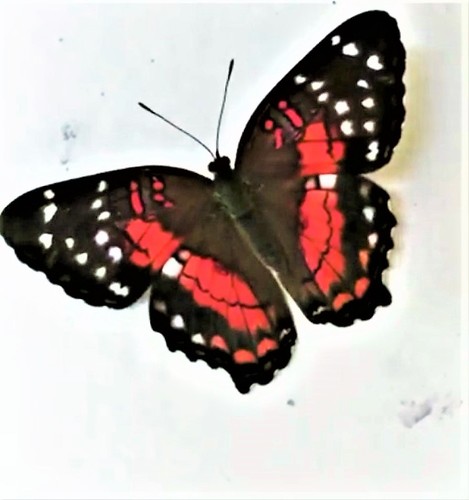
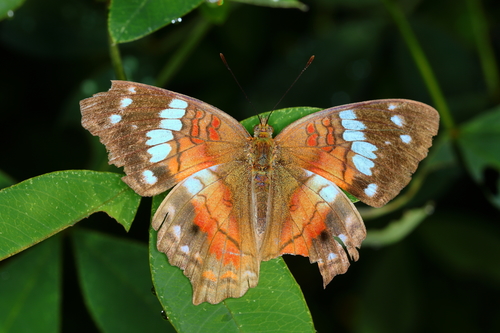
Questions people ask
What other butterfly is it often mistaken for?
It looks a lot like the banded peacock butterfly, which is found mainly north of its range.
Source: Wikipedia
Where is the red peacock butterfly found?
It is common throughout much of South America and several Caribbean islands, from Panama down to Argentina.
Source: Wikipedia
Same family (Nymphalidae)






Sources
- Wikipedia: https://en.wikipedia.org/wiki/Anartia_amathea
Look it up elsewhere: GBIF · iNaturalist · BugGuide · Wikipedia
Text written 2026-10-24 from the sources above and checked sentence by sentence against them. Data fetched 2026-10-22.