 Bug FAQ
Silver-washed Fritillary
Argynnis paphia · Order: Lepidoptera · Family: Nymphalidae
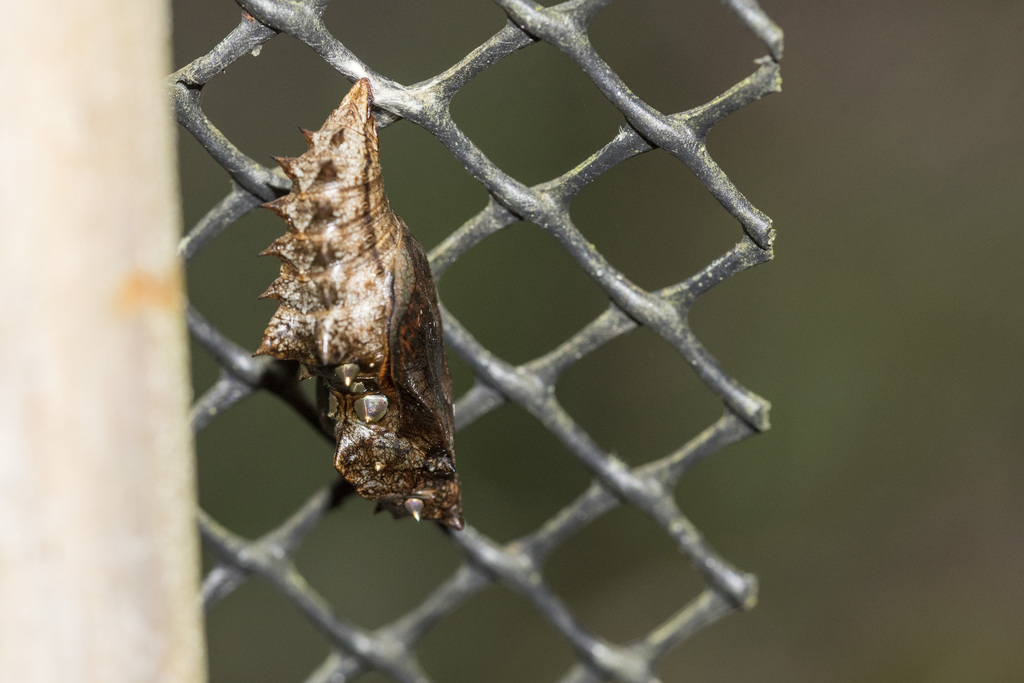
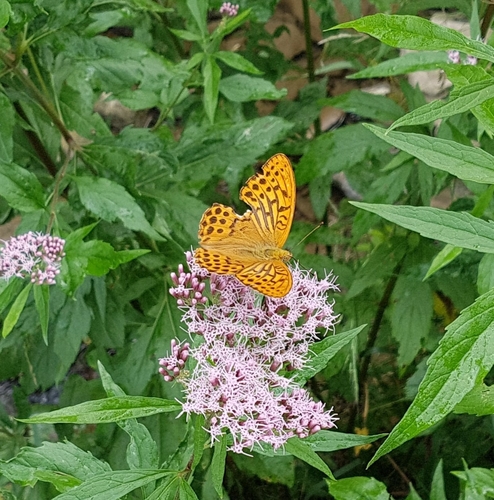
The silver-washed fritillary is a deep orange butterfly with black spots on the upperside and a greenish underside marked by metallic silver bands. It lives in sunny deciduous woodlands, especially oak areas, and its caterpillars feed on common dog violet. Adults fly from July to September in Europe, visiting bramble, thistle and knapweed flowers for nectar.
Source: Wikipedia
How to recognize it
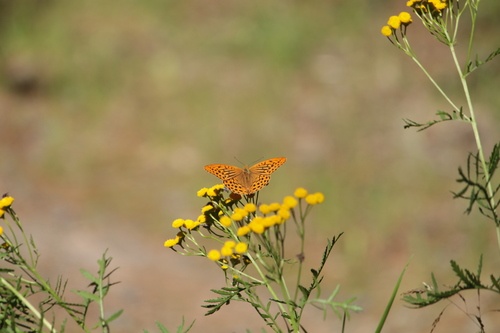
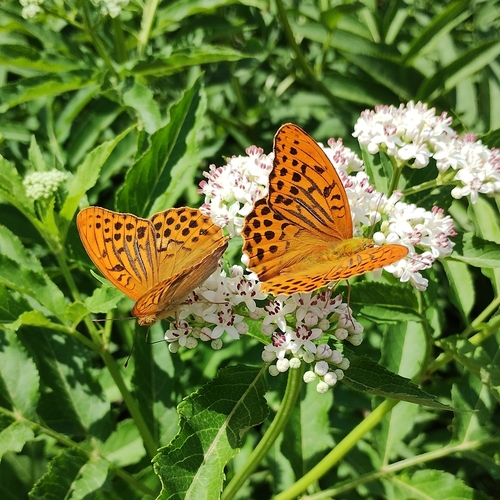
The upper side of the wings is deep orange with black spots. The underside is a verdigris green with a metallic gloss and broad curved silver bands.
Source: Wikipedia
Size
Wingspan ranges from 54 to 70 mm; males are smaller and paler than females.
Source: Wikipedia
Where it lives
Prefers thin, sunny, deciduous woodlands, especially oak, but can also be found in coniferous woods.
Source: Wikipedia
What it eats
Adults sip nectar from bramble, thistles, knapweeds and also feed on aphid honeydew. Caterpillars eat the leaves of the common dog violet.
Source: Wikipedia
Life cycle
Eggs hatch in August and the larvae immediately hibernate until spring. Pupation occurs among ground vegetation, and adults emerge in June.
Source: Wikipedia
When you see it
In Europe the species is on the wing from July through September; in eastern Asia it can be seen until October. Butterflies often visit bramble, scabious and thistle flowers where they can be easily caught.
Source: Wikipedia
Where it comes from
It is common across much of the Palearctic realm, from Algeria and Europe to Japan.
Source: Wikipedia
Lookalikes
Males have three distinct scent-streaks on the forewing veins, which help separate them from similar species.
Source: Wikipedia
More photos
Questions people ask
What do the silver-washed fritillary’s wings look like?
The upperside is deep orange with black spots, while the underside is green with metallic silver bands.
Source: Wikipedia
When can I see these butterflies?
In Europe they fly from July to September; in eastern Asia they may be seen until October.
Source: Wikipedia
How can I tell a male silver-washed fritillary from similar butterflies?
Males have three scent-streaks on the forewing veins that other species lack.
Source: Wikipedia
Same family (Nymphalidae)






Sources
- Wikipedia: https://en.wikipedia.org/wiki/Silver-washed_fritillary
Look it up elsewhere: GBIF · iNaturalist · BugGuide · Wikipedia
Text written 2026-10-24 from the sources above and checked sentence by sentence against them. Data fetched 2026-10-22.