 Bug FAQ
Tree Wasp
Dolichovespula sylvestris · Order: Hymenoptera · Family: Vespidae
Source: Wikipedia
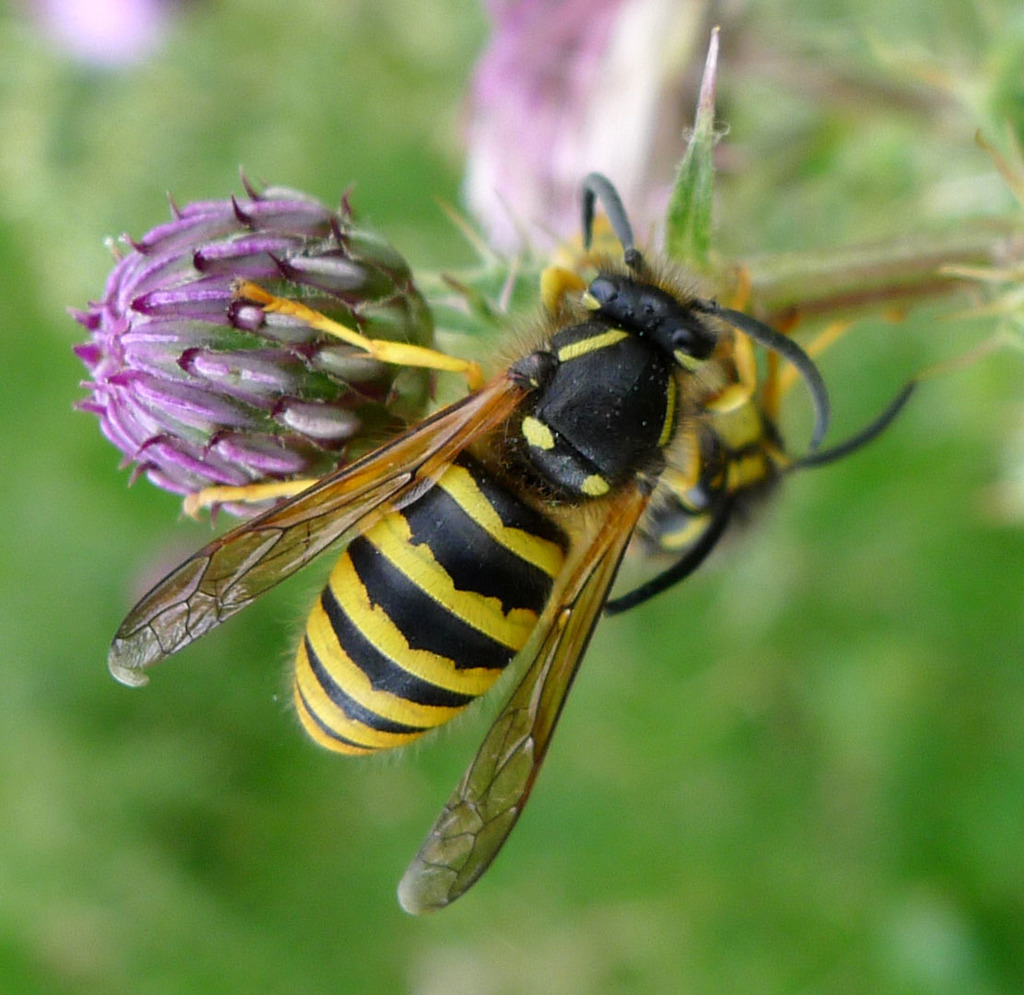
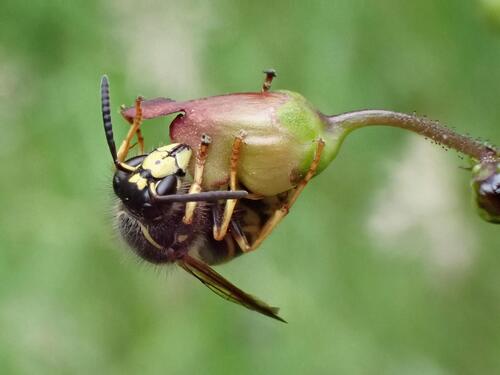
Tree wasps are medium-sized social wasps with black heads and thoraxes and yellow striped abdomens. They build paper nests in trees, hedges or underground and are most common from May to September.
Source: Wikipedia
How to recognize it
They have the typical black and yellow striped pattern of many social wasps.
Source: Wikipedia
Size
Workers are 11 to 15 mm long, queens 15 to 19 mm, and males 13 to 17 mm.
Source: Wikipedia
Is it a pest in the house?
They rarely enter buildings and are not attracted to human food.
Source: Wikipedia
Does it bite or sting?
They are less aggressive than many wasps but will sting if their nest is threatened. Stings can affect both animals and humans when the nest is disturbed.
Source: Wikipedia
How to get rid of it
Nests are paper-like structures about 10 to 15 cm across with up to four combs. Workers or the queen may try to stop other wasps from laying eggs by stinging or pushing them away.
Source: Wikipedia
Where it lives
They nest in trees, hedges, or underground and are found in both urban and rural areas.
Source: Wikipedia
What it eats
Workers forage for insects, plant nectar, and wood pulp for nest building. The queen gathers wood pulp and food for larvae until workers mature.
Source: Wikipedia
Life cycle
Colonies last about 3.5 months and are most visible from May to September. Males develop from unfertilized haploid eggs, while females come from fertilized diploid eggs.
Source: Wikipedia
When you see it
Adults are most common between May and September.
Source: Wikipedia
Where it comes from
They occur across western Europe, central Asia to China, and northern Africa.
Source: Wikipedia
More photos
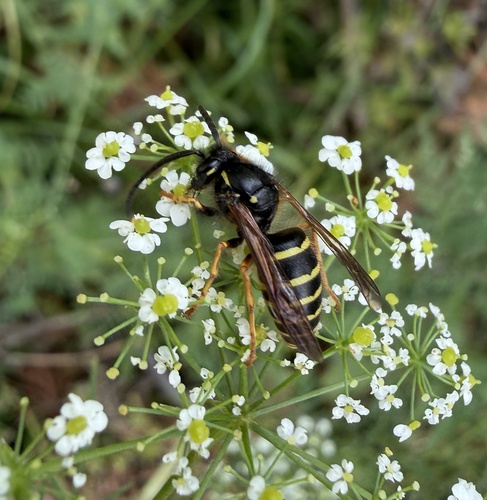
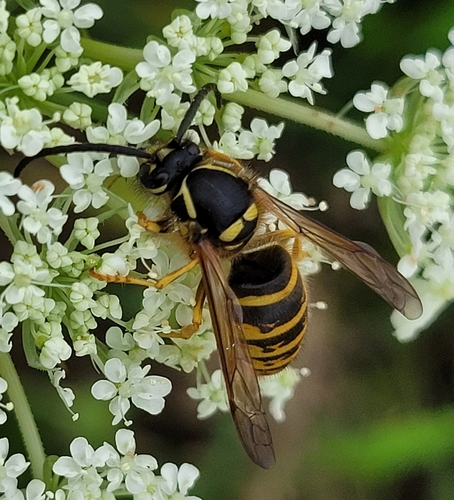
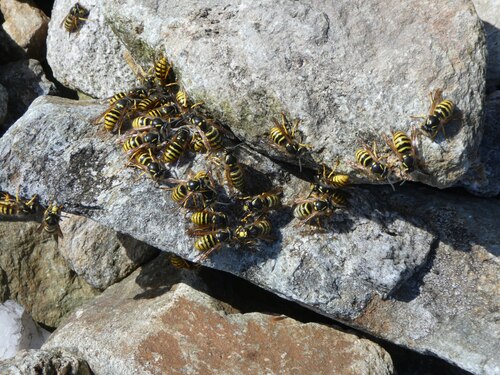
Questions people ask
How can I prevent a tree wasp sting?
Avoid disturbing their nests; they only sting when they feel the nest is threatened.
Source: Wikipedia
Do tree wasps enter homes?
They rarely enter buildings and are not attracted to human food.
Source: Wikipedia
Same family (Vespidae)


Sources
- Wikipedia: https://en.wikipedia.org/wiki/Dolichovespula_sylvestris
Look it up elsewhere: GBIF · iNaturalist · BugGuide · Wikipedia
Text written 2026-10-24 from the sources above and checked sentence by sentence against them. Data fetched 2026-10-22.