 Bug FAQ
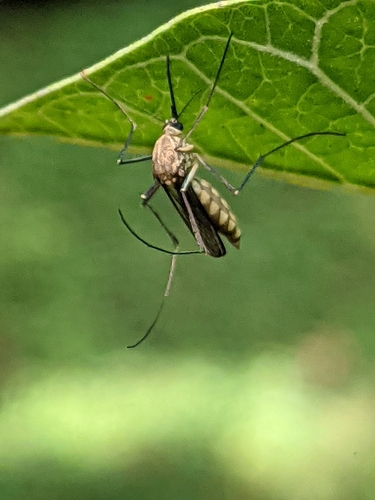
Armigeres subalbatus
Armigeres subalbatus · Order: Diptera · Family: Culicidae
Source: Wikipedia
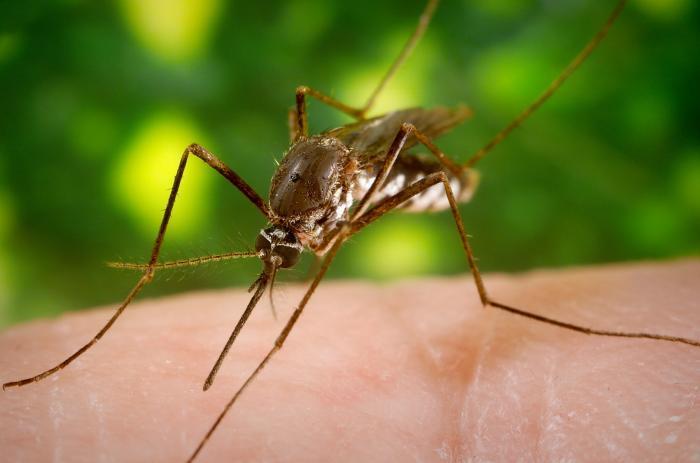
Its larvae live in foul, organic-rich water pools and are carnivorous, feeding on other small organisms. Adult females bite people, especially during crepuscular hours in dark forested areas.
Source: Wikipedia
Does it bite or sting?
Female mosquitoes bite humans.
Source: Wikipedia
Where it lives
Larvae develop in foul, organic-rich water pools and are carnivorous.
Source: Wikipedia
What it eats
Larvae are carnivorous, feeding on other small organisms in polluted water.
Source: Wikipedia
When you see it
Adults are most active in crepuscular periods and prefer dark forested habitats.
Source: Wikipedia
More photos
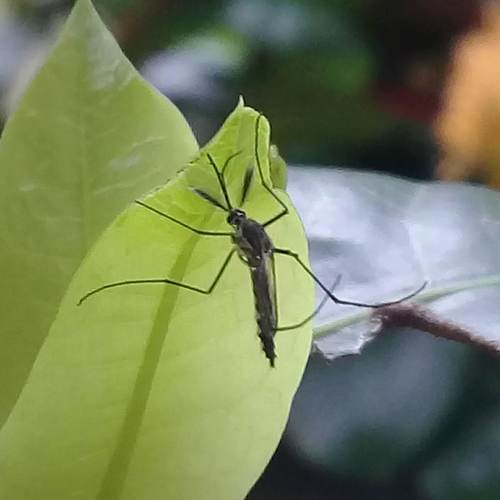
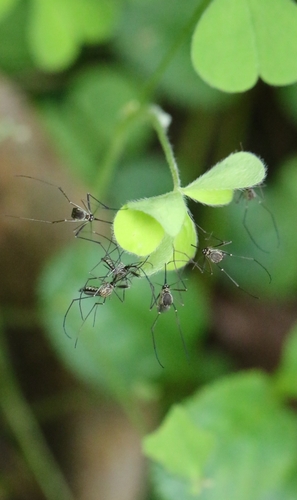
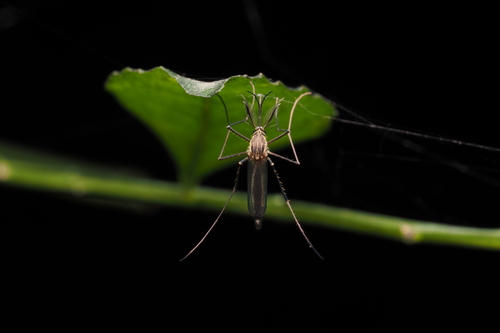
Questions people ask
Do they bite humans?
Yes, female Armigeres subalbatus bite people, usually causing only a mild reaction.
Source: Wikipedia
What kind of water do the larvae live in?
The larvae develop in foul, organic-rich water pools and are carnivorous.
Source: Wikipedia
When are the adults most active?
Adults are most active during twilight hours in dark forested areas.
Source: Wikipedia
Same family (Culicidae)
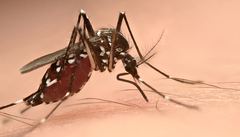 Asian Tiger MosquitoAedes albopictusCan spread germs or disease
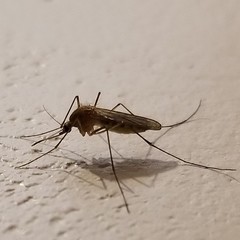 House Mosquito ComplexCulex pipiensCan spread germs or disease
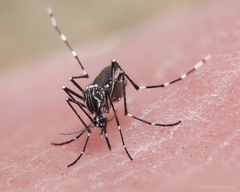 Yellow Fever MosquitoAedes aegyptiCan spread germs or disease
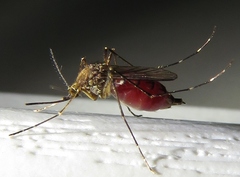 Inland Floodwater MosquitoAedes vexansCan spread germs or disease
 Asian Bush MosquitoAedes japonicusCan bite
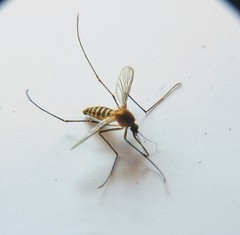 Southern House MosquitoCulex quinquefasciatusCan spread germs or disease
Sources
- Wikipedia: https://en.wikipedia.org/wiki/Armigeres_subalbatus
Look it up elsewhere: GBIF · iNaturalist · BugGuide · ITIS · Wikipedia
Text written 2026-10-24 from the sources above and checked sentence by sentence against them. Data fetched 2026-10-22.