 Bug FAQ
Burying Mantis
Sphodropoda tristis · Order: Mantodea · Family: Mantidae
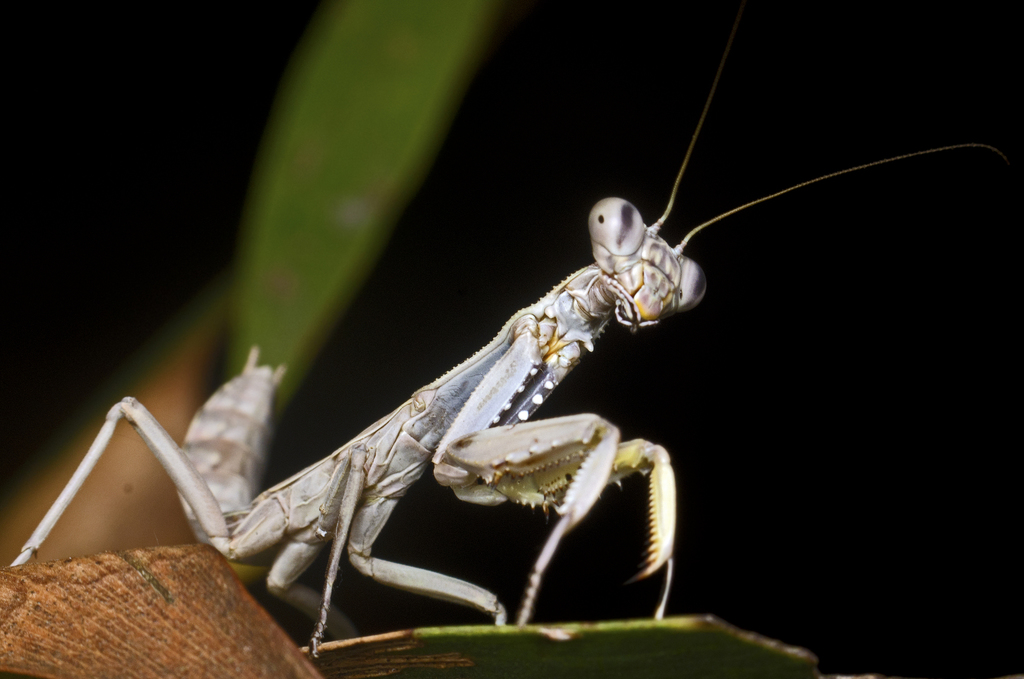
Both males and females can grow up to about 70 mm long. Females sometimes bury their egg cases in the ground, which is why they are called burying mantises.
Source: Wikipedia
How to recognize it
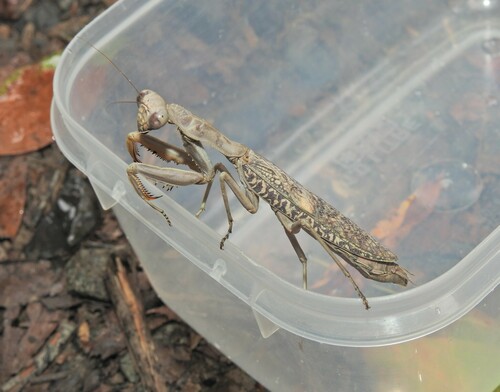
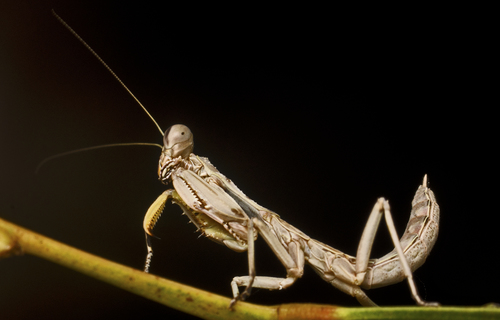
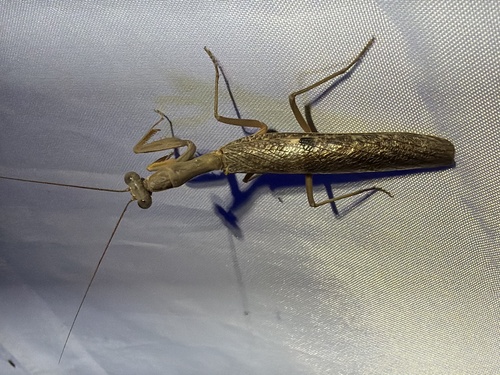
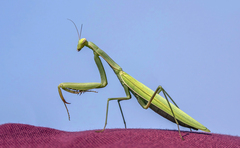
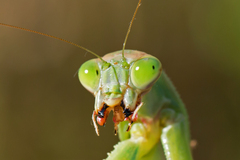
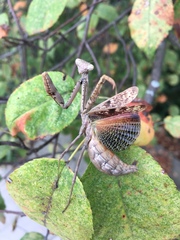
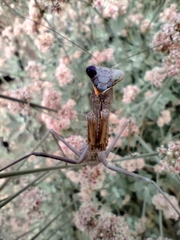
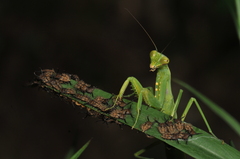
They are grey-brown or green with mottled wings and have pale bumps on the front legs.
Source: Wikipedia
Where it lives
The name comes from females occasionally burying their oothecae underground.
Source: Wikipedia
Where it comes from
The burying mantis is native to Australia.
Source: Wikipedia
More photos

Questions people ask
How can I identify a burying mantis?
Look for a grey-brown or green mantis up to 70 mm long with mottled wings and pale tubercles on the forelegs.
Source: Wikipedia
Same family (Mantidae)
Sources
- Wikipedia: https://en.wikipedia.org/wiki/Burying_mantis
Look it up elsewhere: GBIF · iNaturalist · BugGuide · Wikipedia
Text written 2026-10-24 from the sources above and checked sentence by sentence against them. Data fetched 2026-10-23.