 Bug FAQ
Elephant Mosquito
Toxorhynchites rutilus · Order: Diptera · Family: Culicidae
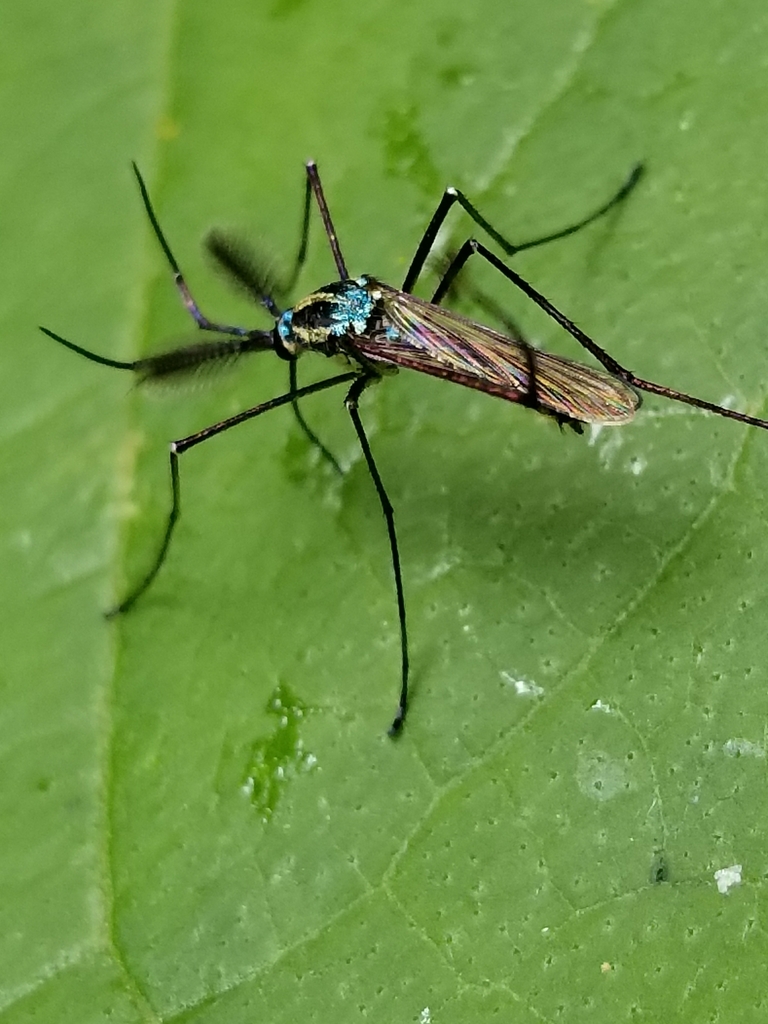
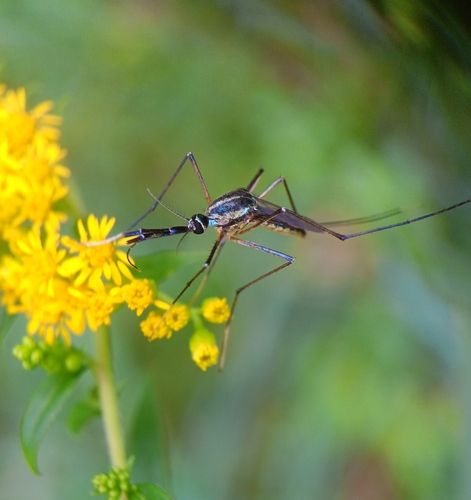
Adult elephant mosquitoes are large, up to 7 mm long with a 12 mm wingspan, and their larvae can reach the size of a penny. They live in tree holes and other small containers of stagnant water, where their predatory larvae eat other mosquito larvae and tiny aquatic animals.
Source: Wikipedia
How to recognize it
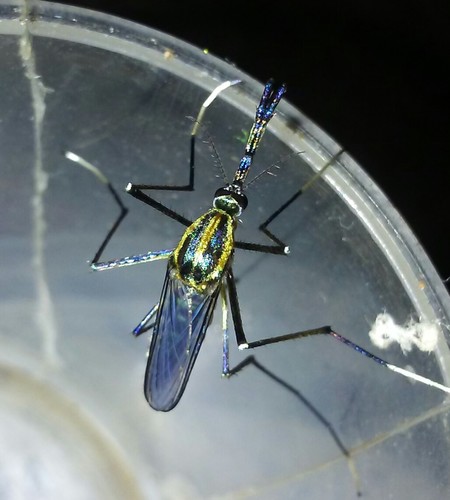
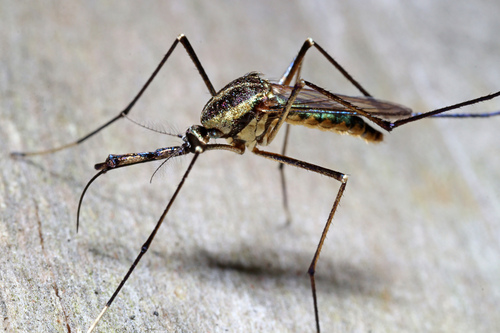
Adults have shiny purple and gold scales on the body and wings, with dark femurs and mostly white tarsi. The body is divided into head, thorax, and abdomen, each covered with iridescent blue, white, green, or purple scales. Larvae are dark brown or red with noticeable hairs on the abdomen.
Size
Adults grow up to 7 mm long and have a 12 mm wingspan; fourth-instar larvae can be about 20 mm long.
Source: Wikipedia
Is it a pest in the house?
Larvae prey on other container-dwelling mosquitoes, making them useful for controlling pest mosquito populations.
Source: UF/IFAS
Does it bite or sting?
Adults do not bite; females are autogenous and only take sugar sources. Gravid females fly in counter-clockwise loops before dropping an egg into a water container.
How to get rid of it
Larvae can develop in natural sites like tree holes and bamboo, as well as artificial containers such as cans and discarded tires.
Source: UF/IFAS
Where it lives
They lay eggs in tree holes and other small water-filled containers such as tires, flower-pot saucers, and bamboo internodes.
What it eats
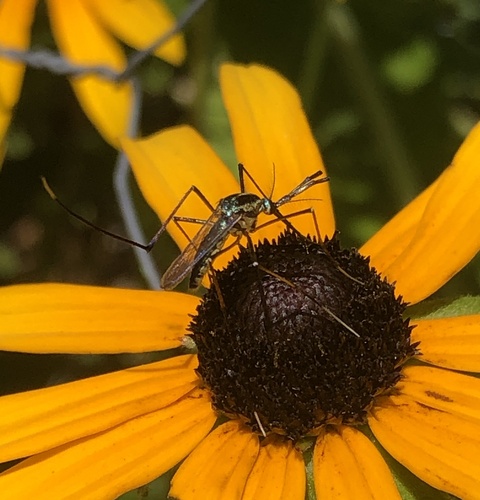
Adults of both sexes feed only on nectar and do not bite or spread disease. Larvae are predatory, eating copepods, rotifers, ostracods, chironomids, and especially mosquito larvae such as Aedes species.
Life cycle
They undergo complete metamorphosis: egg, larva, pupa, then adult.
Source: UF/IFAS
When you see it
They have been used in biological-control trials in places like Hawaii, Florida, Louisiana, and Japan.
Source: Wikipedia
Where it comes from
Unlike most relatives, this species is native to temperate regions of the eastern United States.
Where it is found in the US
Recorded in 32 of 51 states and DC. Most records: Texas, Virginia, North Carolina, Maryland, Georgia, Massachusetts, Florida, Ohio.
Darker = more records. Counts are museum and citizen-science records, not population size.
Source: GBIF
Status: native in North America; native in Canada. Source: iNaturalist
Months it is reported in the US
Source: GBIF
More photos
Questions people ask
Do they bite people or pets?
No, adult elephant mosquitoes only feed on nectar and never bite.
Can they help control other mosquitoes?
Yes, their larvae actively hunt and eat mosquito larvae, including disease-carrying Aedes species.
Same family (Culicidae)
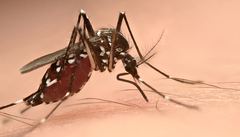 Asian Tiger MosquitoAedes albopictusCan spread germs or disease
 House Mosquito ComplexCulex pipiensCan spread germs or disease
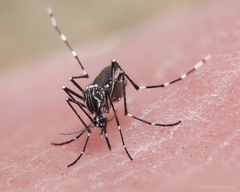 Yellow Fever MosquitoAedes aegyptiCan spread germs or disease
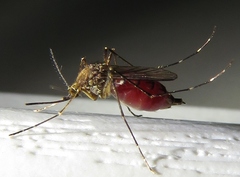 Inland Floodwater MosquitoAedes vexansCan spread germs or disease
 Asian Bush MosquitoAedes japonicusCan bite
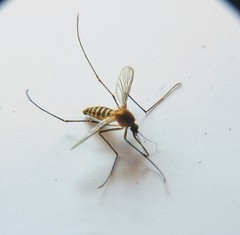 Southern House MosquitoCulex quinquefasciatusCan spread germs or disease
Sources
- Wikipedia: https://en.wikipedia.org/wiki/Toxorhynchites_rutilus
- UF/IFAS: https://edis.ifas.ufl.edu/publication/IN1380
Look it up elsewhere: GBIF · iNaturalist · BugGuide · ITIS · Wikipedia
Text written 2026-10-23 from the sources above and checked sentence by sentence against them. Data fetched 2026-10-23.