 Bug FAQ
Florida SLE Mosquito
Culex nigripalpus · Order: Diptera · Family: Culicidae
Source: Wikipedia
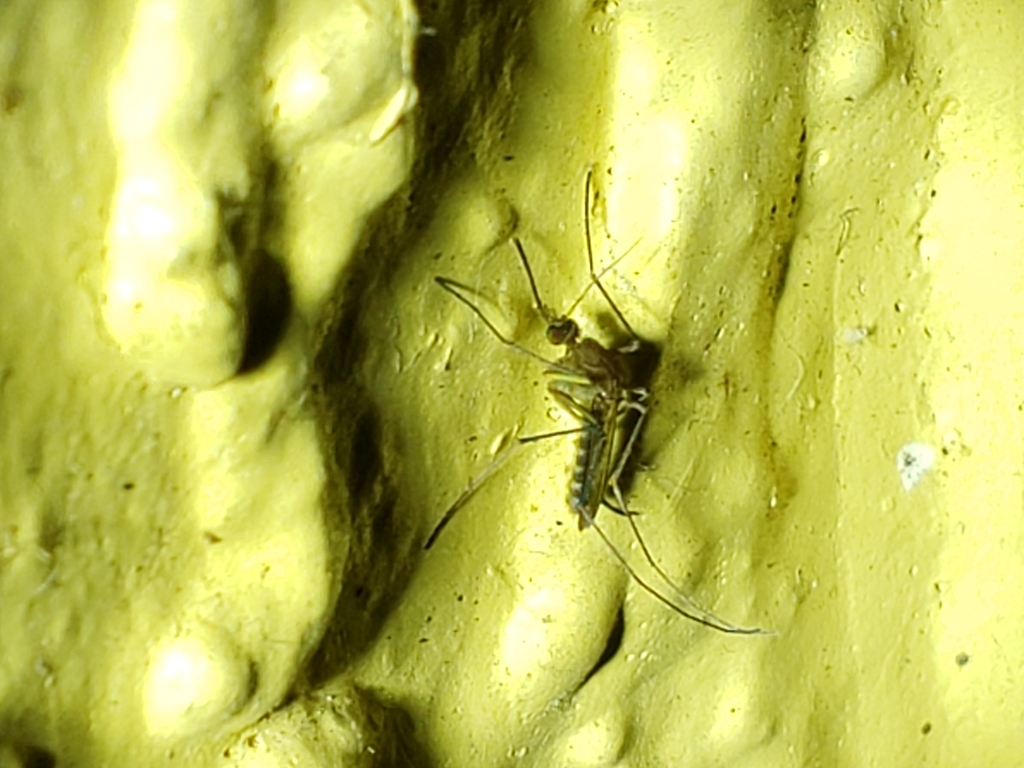
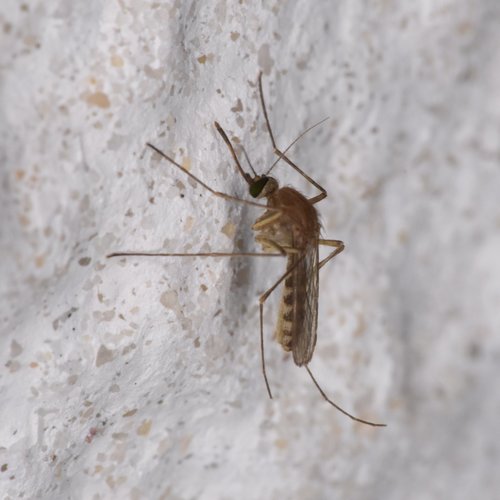
The Florida SLE mosquito is a medium-sized, dark mosquito that feeds on blood. Its larvae develop in fresh water such as marshes, ditches and ponds, and females lay eggs in newly flooded ditches. It lives in warm, humid coastal areas from Texas to North Carolina and up the Mississippi River basin to Kentucky. It is a primary vector of Saint Louis encephalitis virus, feeding on both birds and humans, which lets it move the virus from birds to people.
Source: Wikipedia
How to recognize it
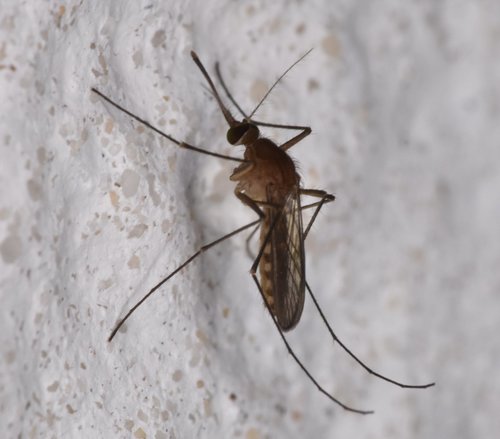
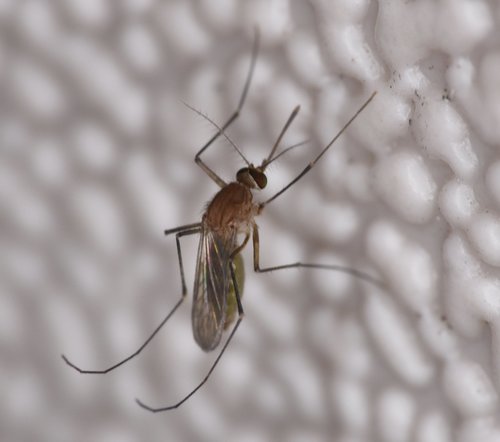
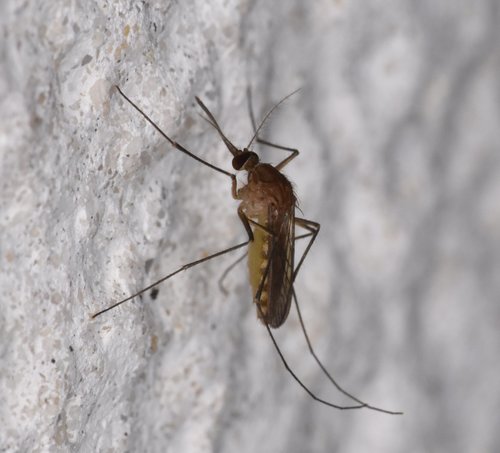
It is a medium-sized, dark, blood-feeding mosquito.
Source: Wikipedia
Size
Adults are medium in size.
Source: Wikipedia
Does it bite or sting?
Because it feeds on both birds and humans, it can transmit zoonotic infections from birds to people.
Source: Wikipedia
Where it is found in the US
Recorded in 13 of 51 states and DC. Most records: Florida, Alabama, Texas, Georgia, Tennessee, South Carolina, Kansas, Virginia.
Darker = more records. Counts are museum and citizen-science records, not population size.
Source: GBIF
Months it is reported in the US
Source: GBIF
More photos
Questions people ask
Can the Florida SLE mosquito transmit disease to humans?
Yes, it can spread Saint Louis encephalitis virus to people.
Source: Wikipedia
Same family (Culicidae)
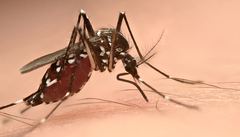 Asian Tiger MosquitoAedes albopictusCan spread germs or disease
 House Mosquito ComplexCulex pipiensCan spread germs or disease
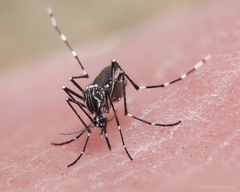 Yellow Fever MosquitoAedes aegyptiCan spread germs or disease
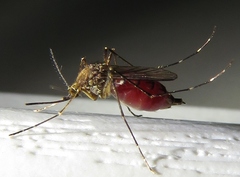 Inland Floodwater MosquitoAedes vexansCan spread germs or disease
 Asian Bush MosquitoAedes japonicusCan bite
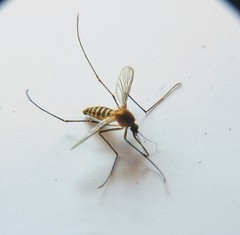 Southern House MosquitoCulex quinquefasciatusCan spread germs or disease
Sources
- Wikipedia: https://en.wikipedia.org/wiki/Culex_nigripalpus
Look it up elsewhere: GBIF · iNaturalist · BugGuide · ITIS · Wikipedia
Text written 2026-10-23 from the sources above and checked sentence by sentence against them. Data fetched 2026-10-23.