 Bug FAQ
Linden Looper Moth
Erannis tiliaria · Order: Lepidoptera · Family: Geometridae
Also called: linden looper
Source: Wikipedia
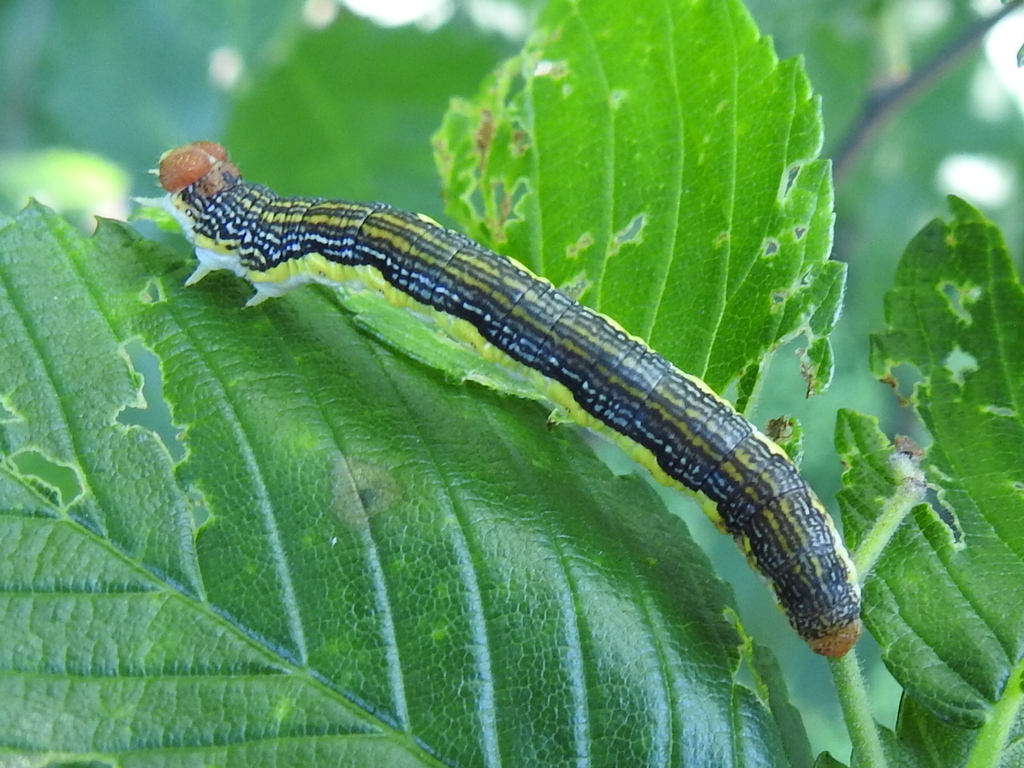
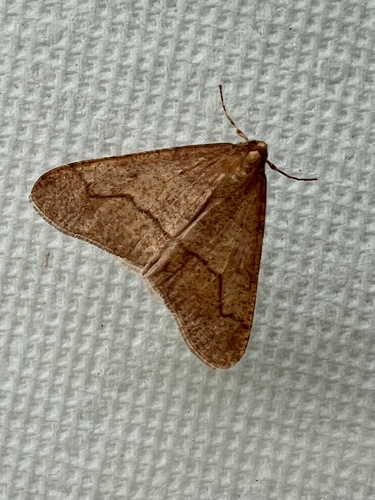
Male moths have a wingspan of about 32 to 42 mm, while females are wingless. Adults appear in late fall, when males are on the wing. Caterpillars feed on many deciduous trees and shrubs, including oak, maple, birch and others.
Source: Wikipedia
How to recognize it
Adult males are active and flying in late fall.
Source: Wikipedia
Size
Males have a wingspan of 32 to 42 mm; females have no wings.
Source: Wikipedia
Life cycle
Adult males are on the wing in late fall.
Source: Wikipedia
When you see it
Males are active in late fall.
Source: Wikipedia
Where it comes from
Its native range covers much of Canada and the United States, from central Alberta east to Nova Scotia and south to Missouri, Georgia, Utah and Texas.
Source: Wikipedia
Lookalikes
Erannis vancouverensis was once thought to be a subspecies but is now recognized as a separate species.
Source: Wikipedia
Where it is found in the US
Recorded in 42 of 51 states and DC. Most records: Minnesota, Connecticut, Michigan, New York, Colorado, Massachusetts, Texas, Ohio.
Darker = more records. Counts are museum and citizen-science records, not population size.
Source: GBIF
Status: native in North America; native in Canada; native in United States. Source: iNaturalist
Months it is reported in the US
Source: GBIF
More photos
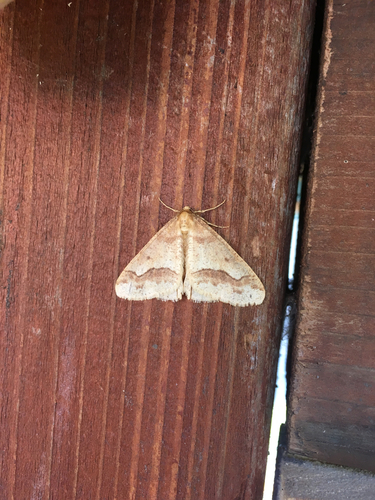
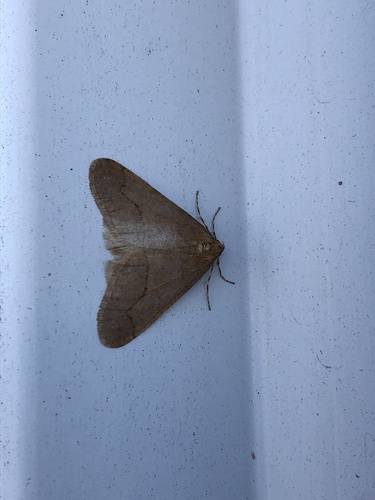
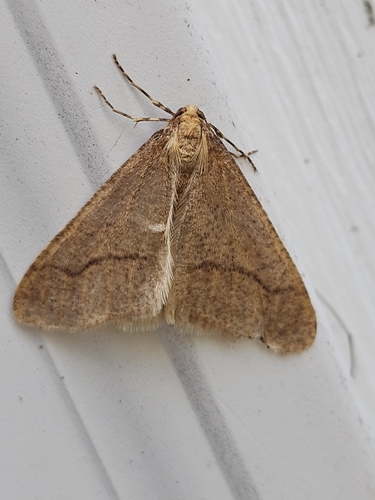
Questions people ask
What trees do the caterpillars feed on?
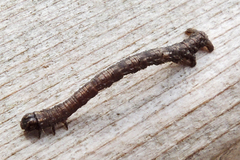
They eat many deciduous trees and shrubs, including oak, maple, birch and others.
Source: Wikipedia
Is there a similar species I might confuse it with?
Erannis vancouverensis looks similar but is a separate species.
Source: Wikipedia
Same family (Geometridae)




Sources
- Wikipedia: https://en.wikipedia.org/wiki/Erannis_tiliaria
Look it up elsewhere: GBIF · iNaturalist · BugGuide · ITIS · Wikipedia
Text written 2026-10-24 from the sources above and checked sentence by sentence against them. Data fetched 2026-10-24.