 Bug FAQ
Western Honey Bee
Apis mellifera · Order: Hymenoptera · Family: Apidae
Also called: Africanized honey bee, Domestic Honey Bee, Drone-bee, European Honey Bee
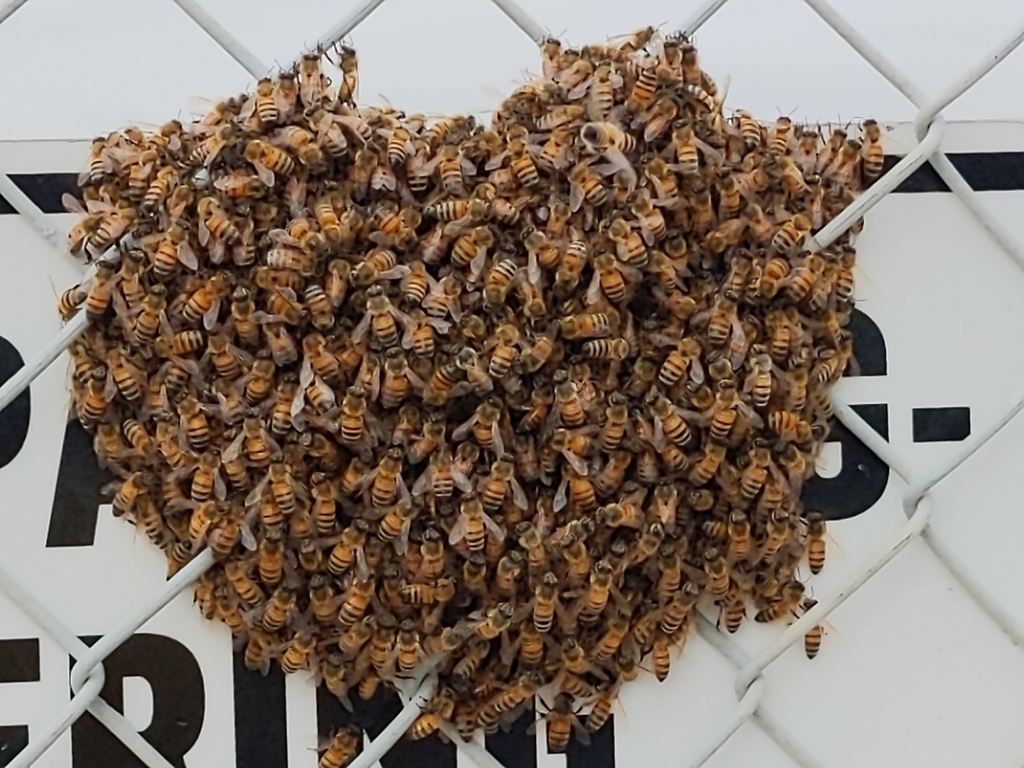
Workers and queens have a barbed stinger that they use to defend the hive, and a sting usually causes only short-term pain. These bees are found on every continent except Antarctica, often with human help.
How to recognize it
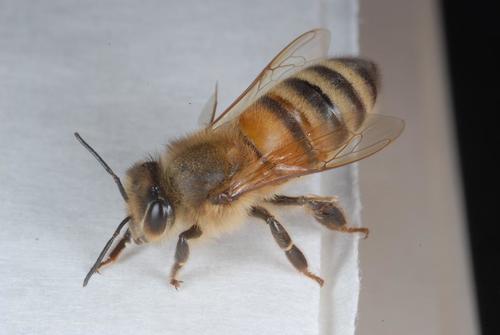
The worker’s stinger is barbed, unlike those of other bee genera.
Source: Wikipedia
Is it a pest in the house?
Bees can be attracted to odors and may react to scented products. Avoid walking barefoot in flowering vegetation to reduce encounters.
Source: UC IPM
Does it bite or sting?
Stinging usually causes temporary pain; a small portion of people are allergic. The body releases fluid to flush venom after a sting. Bees typically die after stinging mammals, but not always after other stings.
How to get rid of it
Do not use heavily scented products when near bee activity to avoid stings. If bees are found in water, remove them to prevent stings.
Source: UC IPM
Where it lives
The western honey bee occurs on all continents except Antarctica. Human assistance has helped it spread worldwide, still excluding Antarctica.
Source: Wikipedia
What it eats
Drones are male bees that lack stingers and do not have ovipositors. The primary role of drones is to mate with a new queen.
Source: Wikipedia
Life cycle
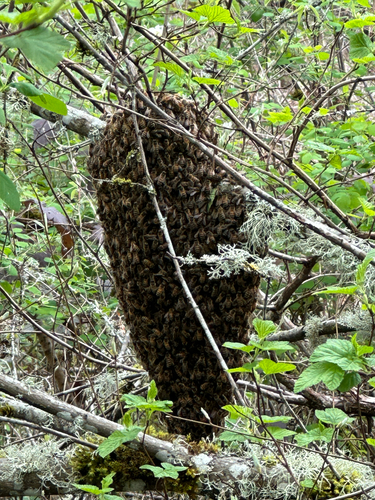
Western honey bee colonies are perennial, lasting year after year. Colonies reproduce by swarming.
Source: Wikipedia
When you see it
Swarming usually happens in spring and early summer when flowers are abundant. Queens reduce egg laying in early fall and may stop in winter.
Source: Wikipedia
Where it comes from
It was one of the first insects domesticated and is now the main bee kept by beekeepers.
Source: Wikipedia
Lookalikes
Africanized honey bees are closely related to European honey bees and look the same.
Source: UC IPM
Where it is found in the US
Recorded in 51 of 51 states and DC. Most records: California, Texas, Pennsylvania, Florida, New York, Massachusetts, Maryland, Ohio.
Darker = more records. Counts are museum and citizen-science records, not population size.
Source: GBIF
Status: introduced in North America; introduced in Canada; introduced in United States. Source: iNaturalist
Months it is reported in the US
Source: GBIF
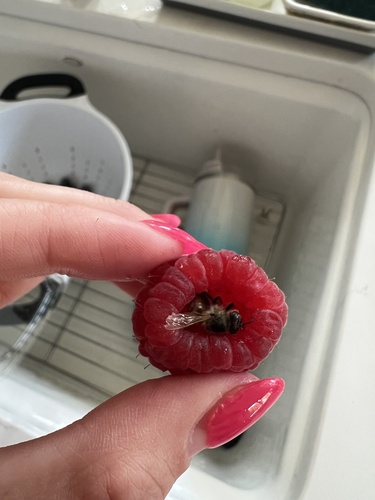
More photos
Questions people ask
Can western honey bees sting me?
Yes, workers and queens can sting, causing temporary pain and possible swelling.
Do honey bee stings kill the bee?
A bee usually dies after stinging a mammal, though not all stings cause death.
Source: Wikipedia
How can I avoid getting stung?
Avoid scented products and stay away from flowering vegetation where bees may be active.
Source: UC IPM
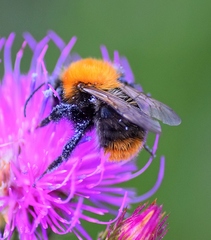
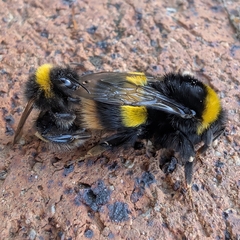
Same family (Apidae)


Sources
- Wikipedia: https://en.wikipedia.org/wiki/Western_honey_bee
- UC IPM: https://ipm.ucanr.edu/PMG/PESTNOTES/pn7449.html
Look it up elsewhere: GBIF · iNaturalist · BugGuide · ITIS · Wikipedia
Text written 2026-10-23 from the sources above and checked sentence by sentence against them. Data fetched 2026-10-23.