 Bug FAQ
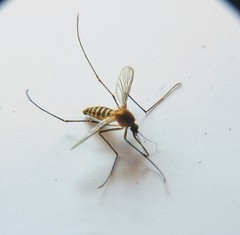
Winter Marsh Mosquito
Culiseta inornata · Order: Diptera · Family: Culicidae
Source: UC IPM
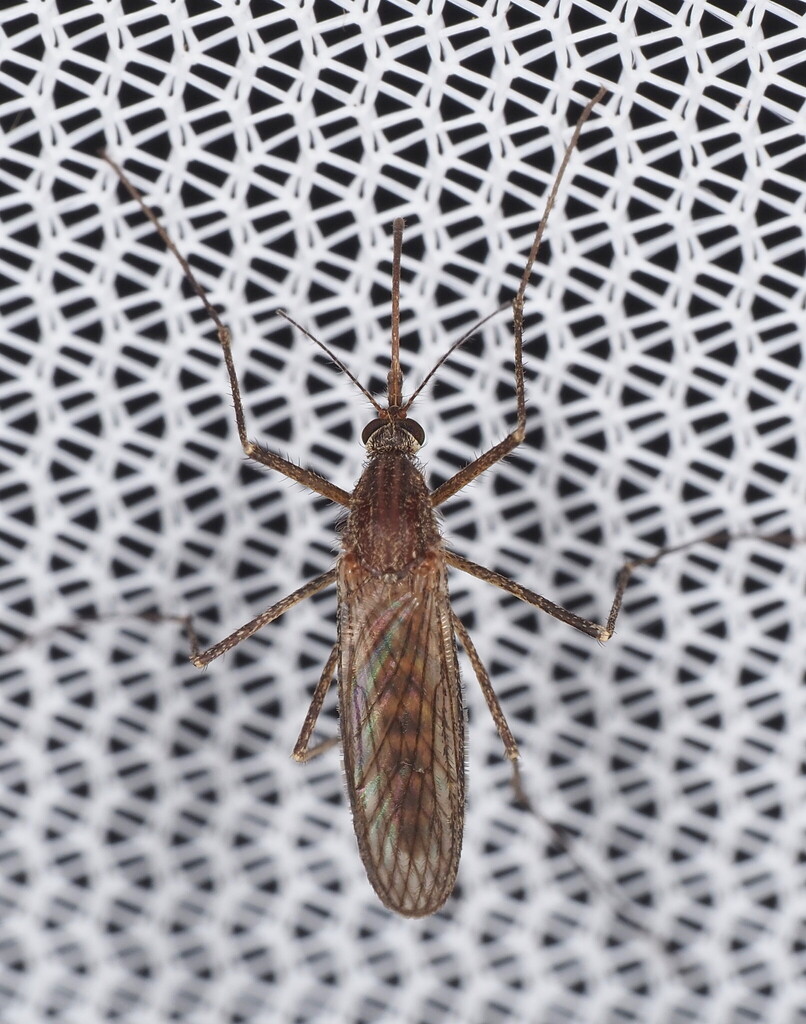
The winter marsh mosquito lives in southern California. Removing standing water, such as from unused garden pots, helps reduce their numbers.
Does it bite or sting?
Females require blood to develop eggs, so they will bite humans and other vertebrates.
Source: UC IPM
How to get rid of it
Eliminate standing water and empty water from unused containers to cut down habitats.
Source: UC IPM
Where it lives
This species is found in southern California.
Source: Wikipedia
Life cycle
Mosquito larvae develop in any standing water like ponds or bird baths.
Source: UC IPM
Where it comes from
Its native range is southern California.
Source: Wikipedia
Lookalikes
Non-biting midges and crane flies are often mistaken for mosquitoes. Mosquito wings have tiny scales that set them apart from similar flies.
Source: UC IPM
Where it is found in the US
Recorded in 40 of 51 states and DC. Most records: North Dakota, Iowa, Idaho, Illinois, Utah, California, Texas, Montana.
Darker = more records. Counts are museum and citizen-science records, not population size.
Source: GBIF
Status: native in North America; native in Canada. Source: iNaturalist
Months it is reported in the US
Source: GBIF
More photos
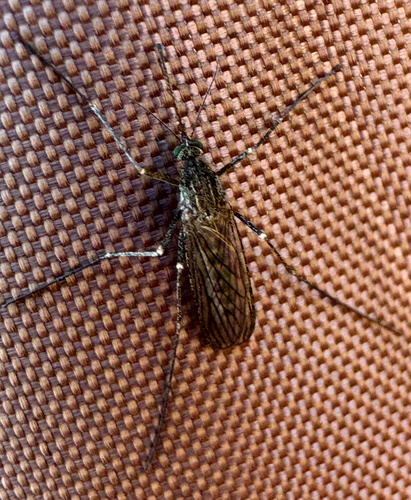
Questions people ask
Do winter marsh mosquitoes bite?
Yes, the females bite people and other animals to get blood for egg development.
Source: UC IPM
How can I get rid of them around my home?
Remove or empty any standing water, such as in garden pots, bird baths, or other containers.
Source: UC IPM
Same family (Culicidae)
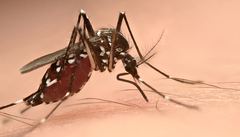 Asian Tiger MosquitoAedes albopictusCan spread germs or disease
 House Mosquito ComplexCulex pipiensCan spread germs or disease
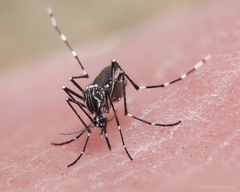 Yellow Fever MosquitoAedes aegyptiCan spread germs or disease
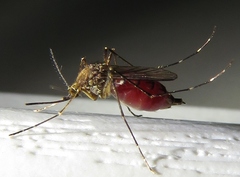 Inland Floodwater MosquitoAedes vexansCan spread germs or disease
 Asian Bush MosquitoAedes japonicusCan bite
 Southern House MosquitoCulex quinquefasciatusCan spread germs or disease
Sources
- UC IPM: https://ipm.ucanr.edu/PMG/PESTNOTES/pn7451.html
- Wikipedia: https://en.wikipedia.org/wiki/Culiseta_inornata
Look it up elsewhere: GBIF · iNaturalist · BugGuide · ITIS · Wikipedia
Text written 2026-10-22 from the sources above and checked sentence by sentence against them. Data fetched 2026-10-22.