 Bug FAQ
Great Basin Bumble Bee
Bombus centralis · Order: Hymenoptera · Family: Apidae
Also called: Central Bumble Bee
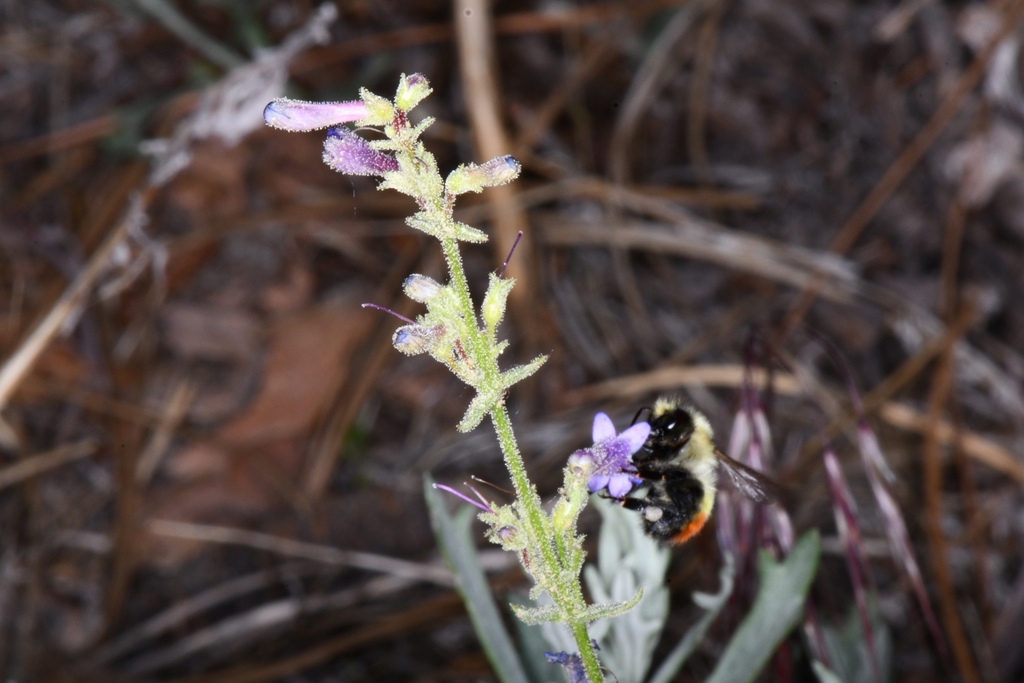
Queens appear in late May, build nests in old rodent burrows, workers emerge about a month later, and the colony dies off by September except for new queens. They live in prairie and river valley habitats across western North America, from British Columbia and Alberta down to California, Arizona, and New Mexico.
Source: Wikipedia
How to recognize it
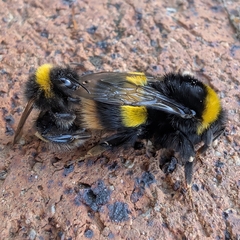
Small bumblebee with a long face, proboscis, and light brown wings. Thorax and front abdomen are yellow; abdominal segments 3-4 (females) or 3-5 (males) are orange-red.
Source: Wikipedia
Size
Queens are 12.5 to 16 mm long with a 29 to 33 mm wingspan. Males are 10 to 13 mm long with a 22 to 29 mm wingspan.
Source: Wikipedia
Where it lives
Found in prairies and river valleys. Queens nest in abandoned rodent burrows after emerging in late May.
Source: Wikipedia
Life cycle
Queens emerge in late May, build nests, and workers appear about a month later. Colony declines in September; only new queens survive.
Source: Wikipedia
When you see it
Queens appear in late May. First workers emerge about a month after queens.
Source: Wikipedia
Where it comes from
Range extends from British Columbia and Alberta to California, Arizona, and New Mexico.
Source: Wikipedia
Where it is found in the US
Recorded in 17 of 51 states and DC. Most records: Oregon, Colorado, Washington, Utah, Idaho, California, New Mexico, Arizona.
Darker = more records. Counts are museum and citizen-science records, not population size.
Source: GBIF
Status: native in North America; native in United States; native in Canada. Source: iNaturalist
Months it is reported in the US
Source: GBIF
More photos
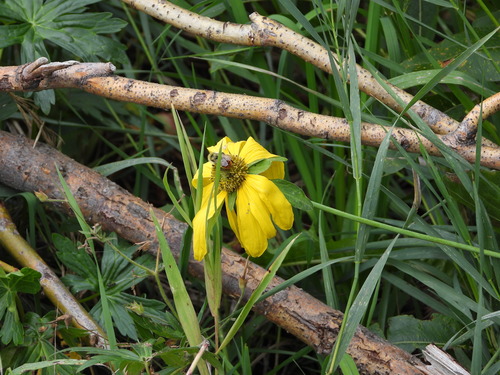
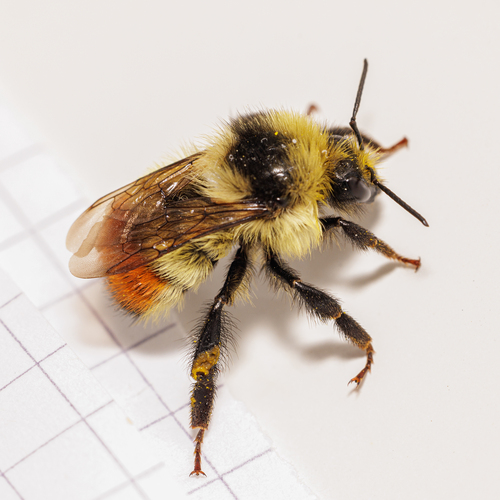
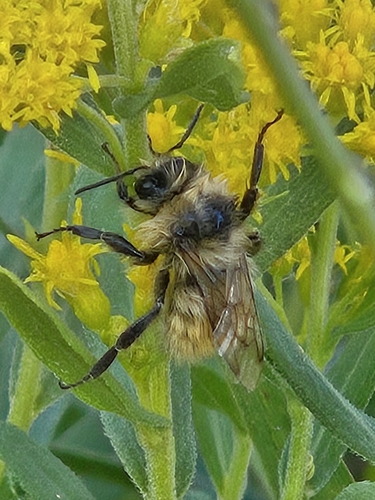
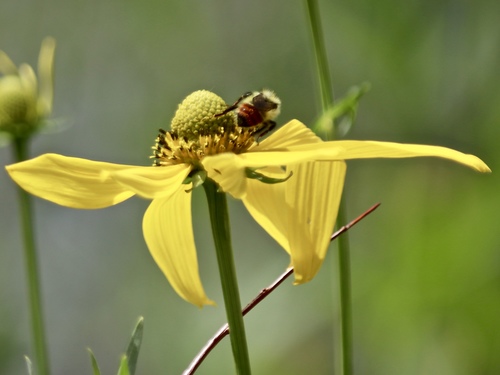
Same family (Apidae)


Sources
- Wikipedia: https://en.wikipedia.org/wiki/Bombus_centralis
Look it up elsewhere: GBIF · iNaturalist · BugGuide · ITIS · Wikipedia
Text written 2026-10-22 from the sources above and checked sentence by sentence against them. Data fetched 2026-10-22.