 Bug FAQ
Lemon Cuckoo Bumble Bee
Bombus citrinus · Order: Hymenoptera · Family: Apidae
Also called: Lemon Cuckoo Bumblebee
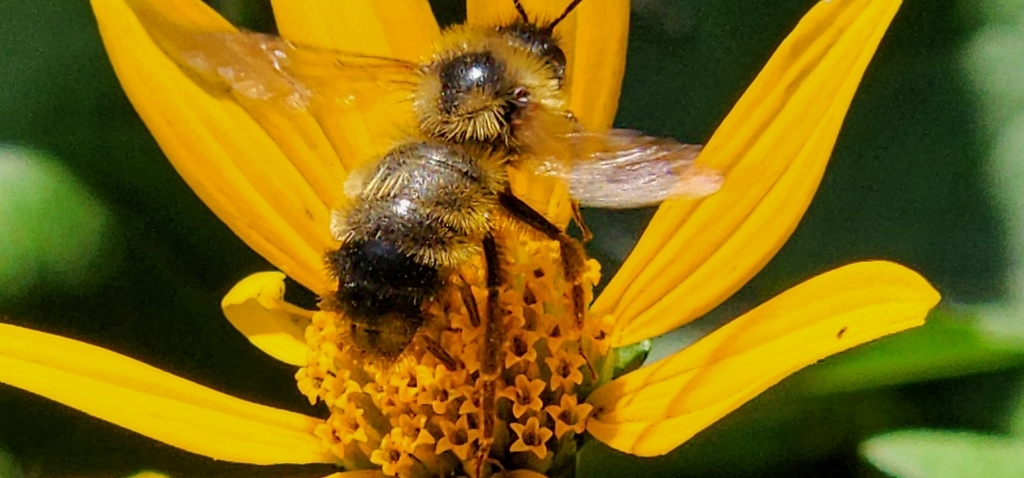
Lemon Cuckoo Bumble Bee (Bombus citrinus) is a social parasite that lives in the nests of Bombus impatiens and Bombus vagans. It is native to eastern North America, found from eastern Canada through the Northeastern United States and into parts of the Midwest and Southeast.
Source: Wikipedia
How to recognize it
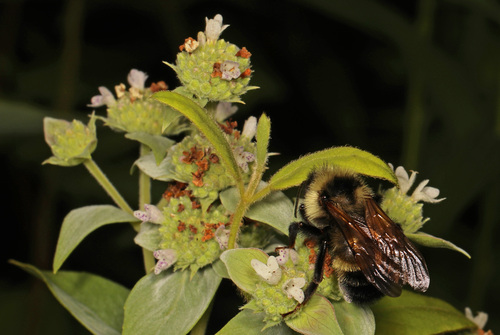
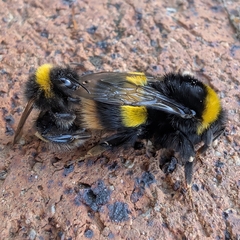
The thorax is mainly yellow, extending down the lower sides and sometimes to the fourth or fifth abdominal segment. Wings are slightly opaque, ranging from reddish-brown to brown-black and may appear yellowish when covered in fine hairs.
Source: Wikipedia
Where it lives
It occurs in the Northeastern region of North America.
Source: Wikipedia
Where it comes from
The species originated in the Eastern Nearctic about two million years ago and remains native to eastern North America.
Source: Wikipedia
Where it is found in the US
Recorded in 36 of 51 states and DC. Most records: Minnesota, Wisconsin, New York, Michigan, Illinois, Ohio, Vermont, Indiana.
Darker = more records. Counts are museum and citizen-science records, not population size.
Source: GBIF
Status: native in North America; native in Canada; native in United States. Source: iNaturalist
Months it is reported in the US
Source: GBIF
More photos
Same family (Apidae)


Sources
- Wikipedia: https://en.wikipedia.org/wiki/Bombus_citrinus
Look it up elsewhere: GBIF · iNaturalist · BugGuide · ITIS · Wikipedia
Text written 2026-10-22 from the sources above and checked sentence by sentence against them. Data fetched 2026-10-22.